If you’re searching for practical, inspiring ways to elevate your home, you’re in the right place. Whether you want to refresh your interior styling, rethink your layout, or optimize daily living, this article is designed to give you clear, actionable ideas you can actually use.
Home design isn’t just about aesthetics—it’s about creating spaces that support how you live every day. From smart organization strategies to timeless décor principles and functional layout improvements, we break down concepts in a way that’s easy to understand and apply.
Our insights are grounded in current design trends, proven space-planning principles, and guidance informed by experienced interior stylists and home improvement specialists. Instead of overwhelming you with vague inspiration, we focus on practical solutions that balance beauty and function.
By the end, you’ll have fresh ideas and confident next steps to transform your space into a home that feels intentional, comfortable, and uniquely yours.
Beyond the Drywall: What Truly Holds Your House Together
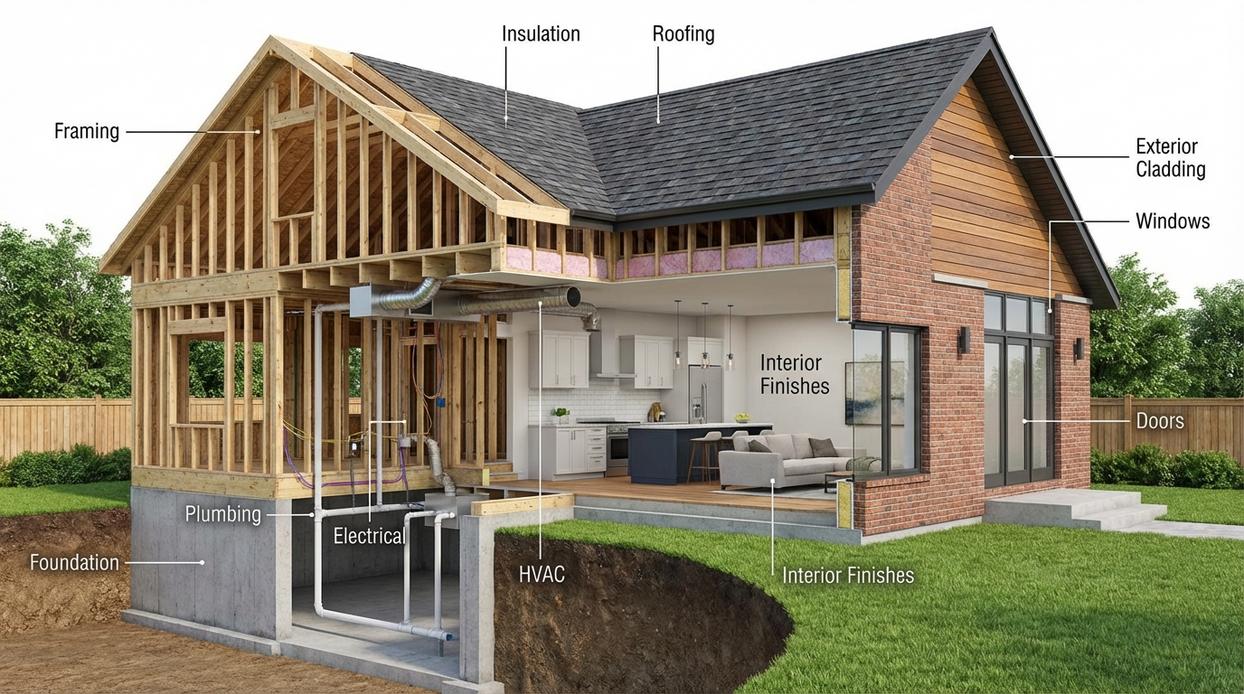
We obsess over paint colors and pendant lights, yet rarely think about what’s behind them. However, ignoring your home’s residential structural elements—the load-bearing parts that support weight and resist forces—can be risky. The foundation (the base transferring weight to the ground), framing, and roof system work together to keep everything stable. When cracks widen or doors suddenly stick, those aren’t quirks; they’re warnings. Some argue inspections are overkill. Still, small issues often snowball into costly repairs (and sleepless nights). Looking ahead, experts speculate climate shifts may stress foundations and roofs even more—so vigilance now could save thousands later.
Starting from the Ground Up: The Critical Role of the Foundation
What Is a Foundation?
A foundation is the base that transfers a home’s weight safely into the ground. The three main types are:
- Concrete slab: A single, thick layer of poured concrete resting directly on the soil (common in warmer climates).
- Crawl space: An elevated structure creating a shallow gap beneath the home for ventilation and utilities.
- Basement: A full-height underground level that adds living or storage space while supporting the structure above.
Each type serves the same core purpose: stability. Think of it as the stage beneath a Broadway set—without it, everything collapses.
Why It’s the Most Important Component
Foundations bear the entire load of a house and anchor it against wind, soil movement, and moisture. According to FEMA, foundation failures are among the costliest structural issues after natural disasters (FEMA, 2022). Properly designed residential structural elements distribute weight evenly, reducing settlement and cracking.
Red Flags for Homeowners
Watch for significant wall or ceiling cracks, sticking doors or windows, and visible basement moisture. The American Society of Civil Engineers notes that expansive soils cause billions in property damage annually (ASCE).
Proactive Maintenance Tip
Maintain gutters, extend downspouts 5–10 feet from the house, and ensure soil slopes away. Good drainage prevents hydrostatic pressure (water force against walls) from building up. (Pro tip: After heavy rain, check for pooling water immediately.)
The Skeleton Within: A Homeowner’s Guide to Framing
Think of your home as a body. Behind the drywall and paint sits a skeleton that holds everything upright. In construction terms, that skeleton is the frame. Studs form the vertical structure of your walls, joists run horizontally to support floors and ceilings, and rafters angle upward to shape and carry the roof. Together, these residential structural elements determine your home’s strength, layout, and safety. When you understand this framework, you make smarter renovation decisions (and avoid expensive “uh-oh” moments).
The Most Important Distinction
Not all walls are created equal. Load-bearing walls carry weight from above—like the roof or a second story—down to the foundation. Remove one without proper support, and you risk serious structural failure. Non-load-bearing walls, by contrast, simply divide space. They’re easier to modify, which means more flexibility for open-concept dreams. Knowing the difference protects your budget, your timeline, and your peace of mind. (Pro tip: Always confirm with a structural professional before demolition.)
Materials Matter
Most framing relies on wood because it’s affordable, strong, and easy to work with. But wood has vulnerabilities: moisture can cause rot, and termites can quietly weaken critical supports. Steel framing exists, though it’s more common in certain climates or multifamily builds.
Signs of Framing Issues
Watch for:
- Sagging or bouncy floors
- Bowing or cracked walls
- Soft spots near bathrooms, basements, or windows
- Visible termite tunnels or crumbly wood
Catching these early means lower repair costs and a safer, longer-lasting home. Knowledge here isn’t just power—it’s protection.
Your Home’s First Line of Defense: The Roof Structure
More Than Just Shingles
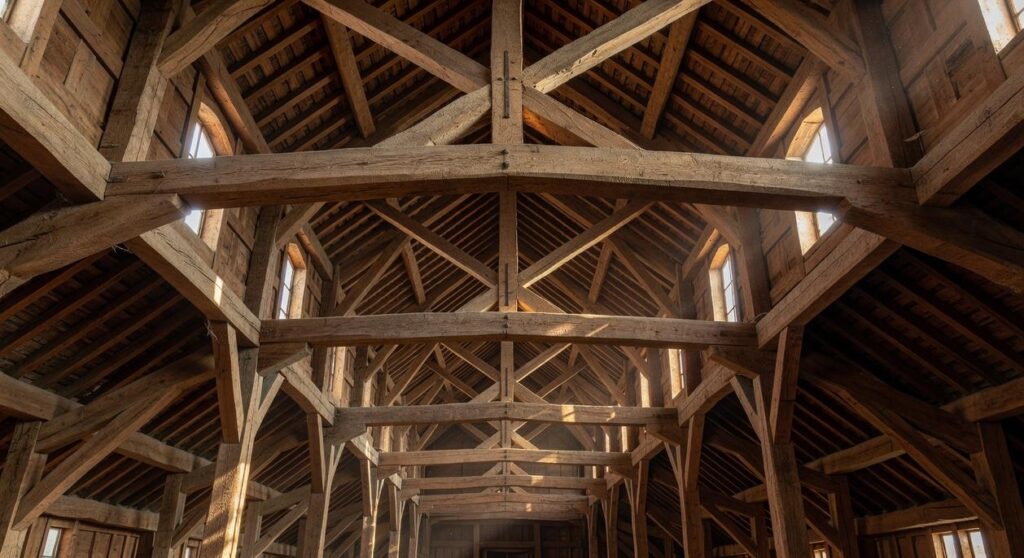
When most people think about a roof, they picture shingles. But shingles are just the outer layer. Beneath them is a structural system made up of trusses or rafters (the sloped beams that shape the roof), and sheathing or decking (the flat panels attached on top). Together, these residential structural elements form the skeleton that holds everything in place.
Trusses are pre-engineered triangular frames designed to distribute weight evenly. Rafters, by contrast, are individual beams cut and assembled on-site. Sheathing ties them together and creates a solid base for waterproofing materials. (Think of shingles as the raincoat—the structure underneath is the body.)
How It Protects Everything Below
Your roof structure does two critical jobs. First, it distributes weight from snow, wind, and even maintenance workers walking across it. Without proper load distribution, pressure concentrates in weak spots. Second, it creates a continuous shield against moisture and temperature extremes. When installed correctly, it prevents water intrusion that could seep into insulation and framing.
Some homeowners assume minor sagging is “normal settling.” It’s not. Structural dips often signal stress or water damage.
Looking Up for Trouble
From the attic, check for cracked rafters, separated truss joints, or dark water stains on the decking. Outside, scan the roofline for visible sagging or uneven ridges.
The Domino Effect
A compromised roof can allow moisture into walls, reduce insulation efficiency, and eventually affect load-bearing supports—even the foundation. (Yes, small leaks can snowball.) For broader layout considerations, see open vs closed floor plans which foundation fits your lifestyle.
The Unsung Heroes: Beams, Columns, and Headers
When people talk about home upgrades, they gush over paint colors and pendant lights. Rarely do they praise beams, columns, and headers—yet these residential structural elements quietly hold everything up.
What Are They?
A beam is a horizontal support that carries weight across open space. A column (like a steel lally column in a basement) transfers that weight straight down to the foundation. A header is a small beam placed over doors and windows to prevent sagging.
Where to Find Them?
Basements, above large doorways, and spanning wide window banks.
A Warning for Renovators
Removing one without a structural engineer risks cracks, collapse, and costly repairs (yes, really).
Confidence Starts with Awareness
Understanding your home’s structure is the foundation of responsible homeownership. At its core, long-term stability depends on how well you monitor its foundation, framing, roof. First, walk the perimeter and look for cracks or pooling water. Next, step inside and scan walls and ceilings for new gaps. Finally, check the attic after heavy rain for damp spots. These simple routines help you spot issues early. While some homeowners argue inspections are unnecessary, small observations prevent costly repairs. Pro tip: take dated photos to track changes. If anything seems serious, consult a qualified professional to evaluate your residential structural elements promptly.
Bring Lasting Comfort and Function Into Every Corner of Your Home
You came here looking for practical, inspiring ways to elevate your living space—and now you have a clearer path forward. From refining your layout to enhancing your walls, windows, doors, roof, and foundation, you understand how thoughtful design choices can transform both the look and function of your home.
When daily frustration comes from cluttered rooms, poor flow, or underused spaces, the solution isn’t more stuff—it’s smarter planning. Small, intentional upgrades to key structural elements and styling choices can dramatically improve comfort, efficiency, and visual harmony.
Now it’s time to take action. Start by identifying one room that feels out of sync and apply what you’ve learned—optimize storage, refresh finishes, and ensure your walls, windows, and doors support both natural light and movement. Don’t let design overwhelm keep you stuck in a space that doesn’t serve you.
If you’re ready for a home that feels cohesive, functional, and inspiring every day, explore more expert-backed insights and proven styling strategies now. Join thousands of homeowners who trust our guidance to simplify decisions and create spaces they truly love—start transforming your home today.