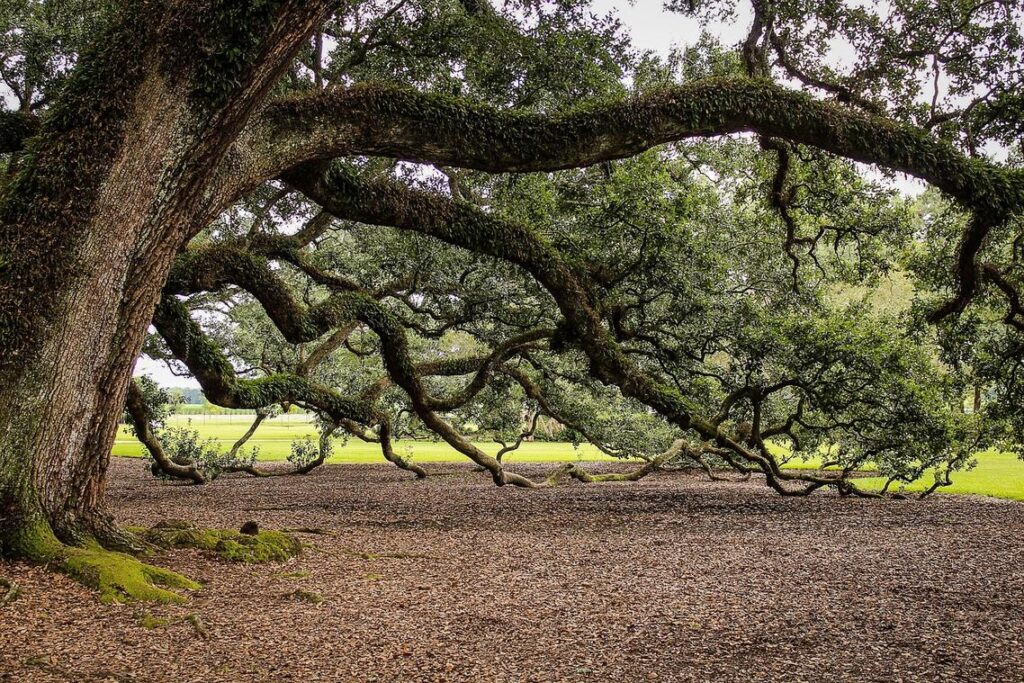
If you’re searching for fresh ideas to transform your living space, you’re likely looking for inspiration that feels both timeless and personal. This article explores how thoughtful design choices, smart spatial planning, and curated décor can elevate everyday living—while highlighting the growing appeal of nature-inspired monumental homes that blend scale, serenity, and sustainability.
We break down the core elements that define impactful interiors, from material selection and color harmony to functional layouts that support modern lifestyles. Whether you’re redesigning a single room or envisioning a full-home transformation, you’ll find practical insights grounded in current design research, architectural principles, and real-world styling strategies.
Our approach draws on in-depth analysis of evolving home trends, sustainable building concepts, and daily living optimization techniques to ensure the ideas shared here are not just beautiful—but livable. By the end, you’ll have a clear understanding of how to bring cohesive, inspiring design into your own space with confidence.
Beyond Four Walls: Architecture Forged by Nature’s Grandeur
Modern houses often feel sealed off—climate-controlled boxes that ignore their surroundings. The core idea here is simple: build homes as extensions of the land itself, not objects dropped onto it. When design mirrors mountains, forests, or oceans, daily life gains awe and permanence.
If your space feels sterile, focus on scale, texture, and orientation:
- Use local stone or timber to echo the landscape.
- Frame panoramic views like living artwork.
- Design rooflines that follow natural contours.
Nature-inspired monumental homes transform routine moments into immersive experiences. Start with site analysis before sketching any plans.
The Mountain’s Majesty: Soaring Peaks and Stone Hearths
Mountains don’t whisper—they declare. And when I first tried translating that declaration into home design, I got it wrong. I thought adding a bit of stone veneer and a steep roof would capture the spirit. Instead, the result felt theatrical, like a movie set version of a lodge (all costume, no character). That misstep taught me a crucial lesson: mountain-inspired design isn’t decoration; it’s structure.
At its core, verticality—the upward thrust that draws your eye skyward—defines the look. Dramatic pitched rooflines echo jagged peaks, while massive exposed timber beams provide both structural support and visual weight. Timber beams, meaning large load-bearing wooden supports left visible, signal strength and honesty in construction. Meanwhile, natural stone foundations and feature walls introduce raw texture and permanence. Skimp on authenticity here, and the illusion crumbles.
Then there’s scale. Initially, I underestimated the power of floor-to-ceiling windows. They’re not simply oversized panes for extra light; they’re architectural frames, turning panoramic vistas into living artwork. Without that connection to the outdoors, even nature-inspired monumental homes feel oddly contained.
Finally, the stone fireplace anchors everything. More than a heating source, it becomes the hearth—the emotional and physical center of the home. In vast, open-plan spaces, a monumental fireplace restores intimacy and shelter. In hindsight, I learned this: if the mountains inspire your design, let them lead boldly, not halfway.
The Forest’s Embrace: Vertical Lines and Living Canopies
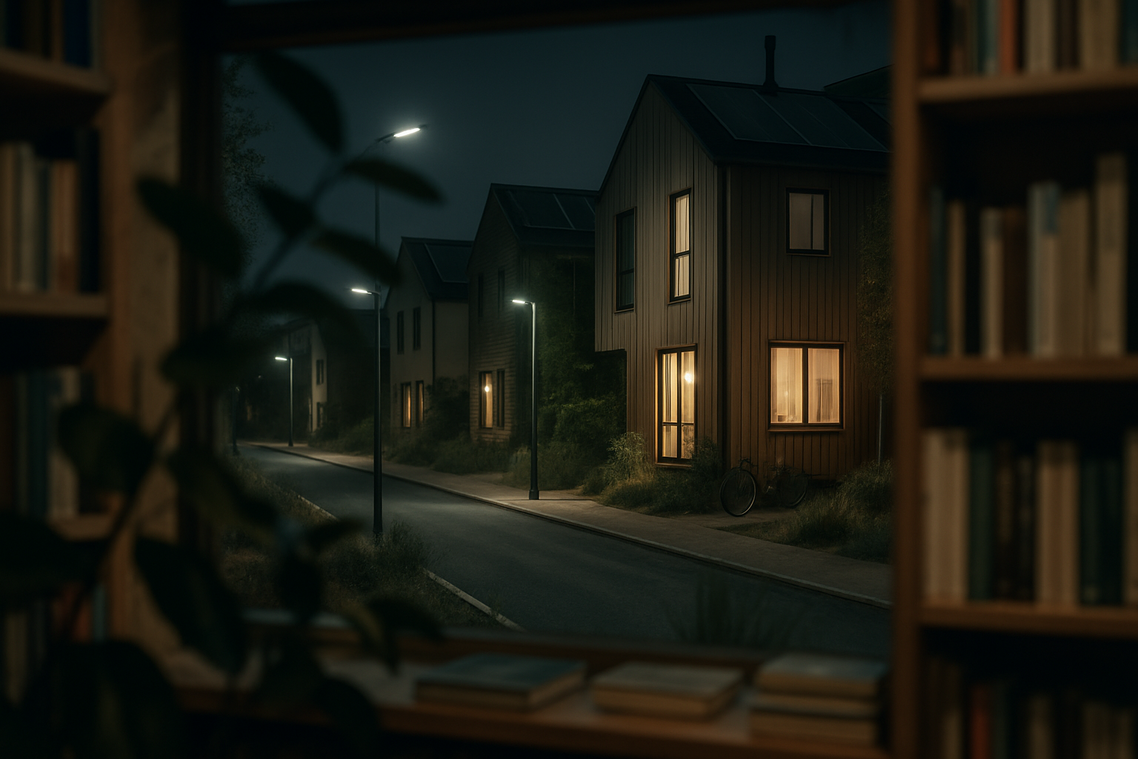
Designing a home that mirrors a dense forest begins with a simple translation: verticality equals vitality. In woodland environments, the eye naturally travels upward along tree trunks toward a leafy canopy. Bringing that into a living space means prioritizing tall, slender columns and vertical wood siding—cedar and redwood are popular choices due to their durability and rich grain. Vertical siding (panels installed upright rather than horizontally) subtly elongates walls, much like tree trunks stretching skyward.
Architecture That Grows Around Nature
There are two clear approaches: build over the land or build with it. Option A levels trees for convenience. Option B integrates structures around mature trunks, preserving shade and character. The second approach, often seen in nature-inspired monumental homes, creates authenticity you simply can’t fake. (After all, no one brags about a removed oak.)
Double- or triple-height ceilings amplify this effect. Pair them with clerestory windows—high, narrow windows placed near the ceiling—to filter in “dappled light,” that softly scattered glow forests are known for. Compared side-by-side, standard 8-foot ceilings feel contained; soaring vertical space feels transcendent.
Inside, the comparison continues: painted drywall versus unfinished wood, synthetic décor versus living walls and oversized plants. The latter fosters immersion and calm, supported by research linking natural materials to reduced stress (American Psychological Association).
For more bold exterior parallels, see exploring statement facades that transform urban landscapes.
Pro tip: choose matte finishes over glossy ones to maintain that organic, forest-floor softness.
The Ocean’s Rhythm: Sweeping Curves and Boundless Horizons
There’s something deeply frustrating about coastal homes that almost get it right. You know the ones—boxy structures plopped beside breathtaking shorelines, as if the architect never looked up from the blueprint. The ocean is fluid, restless, alive. Why shouldn’t the home be the same?
At its core, this design philosophy captures the coast’s motion through undulating rooflines, curved walls, and cantilevered balconies that project outward like a cresting wave. A cantilever (a structure that extends without visible support) creates that gravity-defying effect—dramatic, yes, but also practical for maximizing views.
Scale matters. The “infinity edge” concept—where water visually merges with the horizon—is no longer reserved for pools. Frameless glass walls and seamless indoor-outdoor transitions dissolve boundaries, allowing the structure itself to fade into sky and sea. It’s a hallmark of nature-inspired monumental homes, where architecture feels carved by wind rather than constructed by hand.
Inside, restraint is everything:
- Open, minimalist layouts to prevent visual clutter
- Polished concrete floors that reflect light
- Light woods for warmth without heaviness
- Blue and white palettes echoing sand and surf
Too many interiors overdecorate, competing with the view (a battle they will always lose). Instead, simplicity amplifies grandeur.
For more ideas on fluid architectural forms, explore this guide to coastal design principles.
When architecture mirrors the ocean’s rhythm, the horizon stops being scenery—and becomes part of daily life.
Bringing Grandeur Home: Principles for Any Space
I once lived in a tiny apartment with eight-foot ceilings and zero “wow” factor. At first, I blamed the square footage. Then I tried one oversized canvas—nearly as tall as the wall—and suddenly the room felt intentional, not cramped. That’s the principle of scale: use a single large element to anchor the space and draw the eye upward.
Next, consider materiality, meaning the dominant textures that shape how a room feels. For example, adding a reclaimed wood mantel in my living room introduced warmth and depth (guests always touched it first). One strong natural texture can ground even modern interiors.
Finally, prioritize light. Remove heavy drapes, layer lamps, and highlight architectural lines. After all, even nature-inspired monumental homes rely on light to feel expansive.
A Home That Breathes With the Landscape
Designing with nature’s grandeur in mind creates more than a house; it creates an experience. A home should be a sanctuary from a chaotic world, not another box. Instead, borrow scale and texture from mountains, forests, and oceans. For example, paint one wall in a deep pine green, layer rough linen cushions, or add a stone centerpiece to echo cliffs. Next, choose a single element outside your window—a curve, a color, a grain—and repeat it twice indoors. That small step begins the shift toward nature-inspired monumental homes. Start today, and let space breathe.
Bringing Monumental Living Into Your Everyday Space
You set out to discover how to create a home that feels both grounded in nature and architecturally powerful. Now you understand how intentional materials, organic textures, thoughtful layouts, and bold structural elements come together to shape truly nature-inspired monumental homes.
The real challenge isn’t finding inspiration — it’s knowing how to translate those grand ideas into a space that feels cohesive, livable, and uniquely yours. Without a clear vision, even the best design concepts can feel overwhelming or disconnected.
Start by choosing one defining element — natural stone accents, expansive windows, earthy color palettes, or statement wood features — and build around it with purpose. Focus on harmony between scale and simplicity. Let every design decision support both comfort and impact.
If you’re ready to transform your home into a space that feels expansive, grounded, and unforgettable, now is the time to take action. Explore more expert-backed design insights and proven styling strategies to elevate your space with confidence. Discover how to turn inspiration into execution and create a home that truly stands monumental — starting today.