
If your space feels more like a collection of random pieces than a thoughtfully designed home, you’re not alone. Many rooms fall into visual chaos—mismatched colors, competing textures, and layouts that simply don’t flow. This guide offers a clear, step-by-step framework to help you transform that disorder into a cohesive room aesthetic that feels intentional and inviting. By focusing on core principles like color harmony, balanced textures, and purposeful furniture placement, you’ll learn exactly how to make a room look put-together. The result is a unified space that feels polished, personal, and effortlessly pulled together.
Start with a Vision: The Power of a Design Anchor
I learned this the hard way: buying pieces you “love” without a clear concept is how you end up with a room that feels like a furniture showroom clearance section. In other words, the why before the what matters. A unified design starts with a vision—a clear idea of the mood and feeling you want—rather than a series of random purchases.
Next, find your anchor piece. This is one defining item—a sofa, a rug, a bold piece of art—that sets the tone and color story for everything else. Think of it as the lead actor; the rest of the room is supporting cast. Once I started designing around a single anchor, my spaces finally felt intentional instead of accidental.
Then, create a simple mood board. Gather paint chips, fabric swatches, and reference images that align with your anchor. This step prevents costly mistakes (trust me) and keeps your cohesive room aesthetic on track.
Finally, commit to a core style—Modern Farmhouse, Mid-Century Modern, Minimalist—to guide furniture shapes and materials. Consistency, after all, is what turns ideas into impact.
Effortless Harmony: Unlocking Your Perfect Color Palette
If choosing colors for your home feels overwhelming, the 60-30-10 rule is your shortcut to clarity. Think of it as a design formula that guarantees balance—no art degree required (and no paint-swatch panic either).
First, 60% – The Dominant Color. This is your foundation, typically used on walls and large furniture. It sets the mood of the space—calm neutrals for relaxation or warm tones for energy. By anchoring the room, it instantly creates stability.
Next, 30% – The Secondary Color. This shade supports the dominant hue while adding depth. Curtains, accent chairs, or bedding work beautifully here. As a result, your space feels layered rather than flat.
Finally, 10% – The Accent Color. This is where personality shines through pillows, throws, or artwork. Because it’s used sparingly, it delivers impact without chaos.
The real benefit? A cohesive room aesthetic that feels intentional and polished.
Pro tip: If you’re unsure about your accent color, pull one from existing artwork—it’s a foolproof way to tie everything together.
In short, this rule simplifies decisions, saves time, and helps you design with confidence.
The Secret to a “Pulled-Together” Look: Strategic Repetition
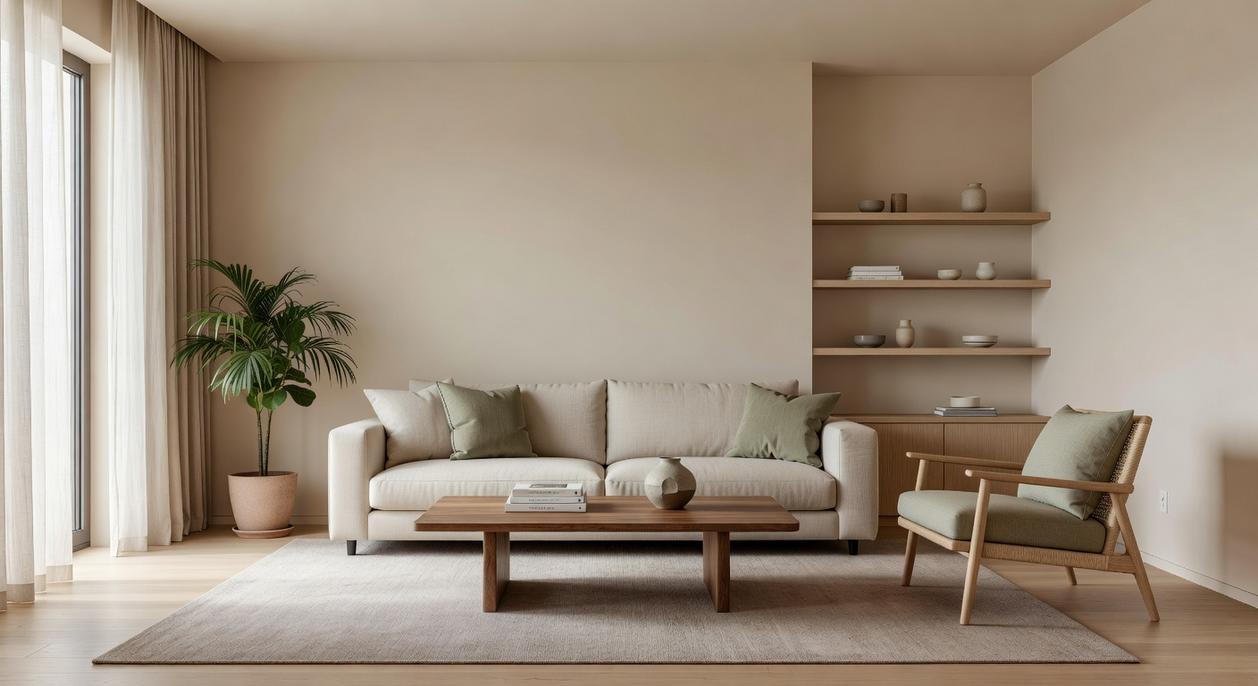
Ever walk into a room and think, Wow, this just works? That’s not luck. It’s strategic repetition—the deliberate reuse of colors, materials, and shapes to create visual harmony. In design, repetition means intentionally echoing elements so the eye moves smoothly around the space (instead of bouncing around like it’s lost).
Some argue repetition feels boring or overly matched. But here’s the upside: when done subtly, it creates a cohesive room aesthetic that feels elevated, not staged. Think of it like a chorus in a great song—it comes back just enough to feel satisfying.
Repeat Colors
Pull the 10% accent color from a painting and echo it in:
- A vase on a shelf
- A throw pillow across the room
- A small decorative object on a console
This builds connection without overwhelming the space.
Repeat Materials & Finishes
If you have a brass lamp, repeat brass in picture frames or cabinet hardware. Love your light wood coffee table? Mirror that tone in photo frames. Consistency signals intention (and intention reads as style).
Repeat Shapes & Patterns
A circular mirror can be subtly echoed in a curved chair or rounded rug motif.
If you’re refining your style direction, explore minimalist vs maximalist interiors choosing your design identity to clarify your approach.
The benefit? Your space feels polished, purposeful, and effortlessly put together.
Creating Flow: Mastering Scale, Proportion, and Layout
A beautiful room means nothing if it doesn’t function. Layout shapes how a space FEELS and FLOWS. When furniture placement makes movement effortless, daily life becomes smoother (no more awkward side‑shuffles around a coffee table).
The Concept of Scale
Scale refers to how large or small items are in relation to one another. Pairing a massive sectional with a tiny coffee table creates visual tension—and not the good kind. Mixing sizes thoughtfully adds contrast and energy, giving you a cohesive room aesthetic that feels intentional rather than accidental.
Negative Space Is Your Friend
Negative space is the empty area around objects. It prevents visual clutter and improves movement. Clear pathways and breathing room reduce stress and make your home feel instantly calmer.
Create Zones
In larger rooms, define areas with rugs or furniture groupings—a conversation corner, a reading nook. This structure adds purpose, boosts functionality, and helps every square foot WORK HARDER for you.
Designing a room with soul starts with understanding layering. Texture simply means how something feels or looks like it would. When you mix smooth leather, chunky knits, soft velvet, and natural woven fibers, you create depth—visual variety that keeps a space from feeling flat.
Next, consider lighting. Ambient light is your main ceiling glow; task lighting helps you read or cook; accent lighting highlights art or architectural details. Together, they build warmth at different heights.
Finally, curate—choose meaningful books, collected art, living plants (they soften hard edges). A cohesive room aesthetic isn’t about more; it’s about intention. Edit, don’t clutter.
Your Unified Space Awaits
You came here looking for a way to transform a scattered collection of furniture into something intentional and beautiful. Now you have the roadmap to create a cohesive room aesthetic that feels calm, balanced, and completely put together.
That chaotic, unfinished feeling was never about having the wrong pieces — it was about missing a clear plan and the elements that tie everything together. By choosing a strong design anchor, refining your color palette, and repeating materials and shapes with purpose, you create instant harmony.
Don’t let your space feel disconnected any longer. Start today — walk into your room and identify one anchor piece. That single choice can transform everything.