
Choosing between open vs closed floor plans is one of the most important decisions you’ll make when designing or renovating your home. If you’re here, you’re likely trying to understand which layout truly fits your lifestyle, daily routines, and long-term needs. The right choice affects everything—from how you entertain guests to how you manage noise, privacy, and natural light.
In this article, we break down the practical advantages and potential drawbacks of each layout style, helping you move beyond trends and focus on what actually works for your space. We’ve analyzed current design preferences, consulted professional interior design principles, and reviewed real-world layout outcomes to give you balanced, experience-backed insights.
By the end, you’ll have a clear understanding of how each option impacts flow, functionality, and comfort—so you can confidently decide which floor plan supports the way you truly live.
Choosing between open vs closed floor plans can feel like committing to a personality test for your house. I’ve seen homeowners freeze, worried they’ll regret knocking down a wall or, conversely, crave one later. In my view, layout shapes daily mood more than paint color ever will.
Open designs encourage:
- easier entertaining
- flexible furniture flow
Closed layouts offer:
- noise control
- visual boundaries
Some argue open spaces boost resale value (often true, per NAHB reports), but I think privacy is underrated. If you work from home, walls are sanity savers. Pro tip: map your routines before deciding.
The Open Concept: A World Without Walls
The open concept is a layout defined by removing interior walls to merge the kitchen, dining, and living areas into one expansive room. In design terms, this creates shared sightlines (clear visual paths across spaces) and encourages natural light to travel freely. Sounds perfect, right?
Well, not always.
While open vs closed floor plans debates often crown openness as superior, critics argue noise, clutter visibility, and cooking smells travel just as freely (ever fried fish before guests arrive?). They’re not wrong. Still, for families juggling homework at the island while dinner simmers, the connectivity is practical and social.
| Feature | Open Concept Benefit |
|———-|———————-|
| Fewer walls | More daylight flow |
| Large zones | Multi-functional use |
| Clear views | Easier supervision |
Moreover, minimalist and industrial styles thrive here—think loft apartments straight out of a Netflix rom-com. Pro tip: define “rooms” with rugs and lighting, not walls. After all, space feels bigger when it breathes.
The Closed Concept: The Power of Defined Spaces
A closed concept is a traditional layout where rooms are separated by walls and doorways, creating distinct, single-purpose zones. In other words, every space has a job—and it does it well. Unlike open vs closed floor plans debates that dominate design blogs, this approach prioritizes structure over sprawl.
Critics argue closed layouts feel outdated or restrictive. After all, who doesn’t love a sweeping kitchen-to-living-room view? However, defined spaces offer advantages that open layouts simply can’t replicate.
Key design features include:
- Clearly defined rooms with specific functions
- Enhanced privacy for work or relaxation
- Stronger noise containment (goodbye, blender soundtrack)
- Dedicated areas for formal dining or entertaining
Consequently, families who value quiet and order often prefer this setup. Moreover, styling becomes more intentional. Each room can showcase its own color palette, theme, or mood—perfect for traditional, eclectic, or even maximalist aesthetics. Sometimes, walls aren’t barriers; they’re boundaries that bring balance.
Head-to-Head: Social Flow vs. Personal Sanctuaries
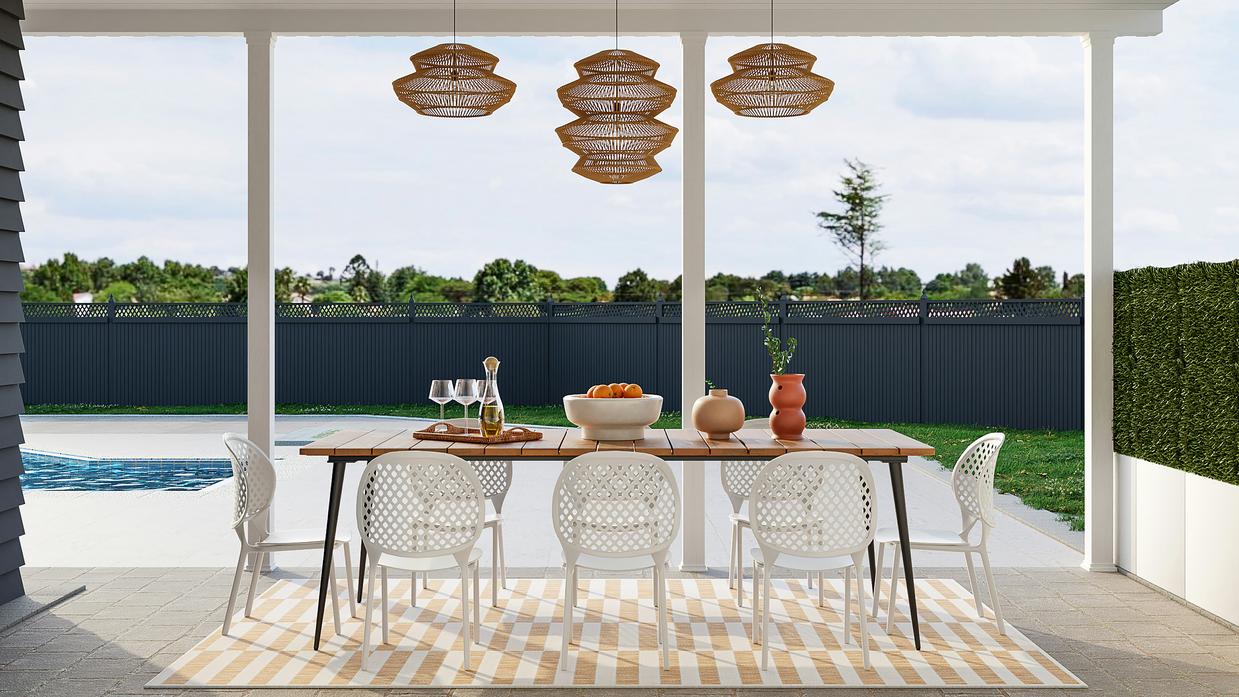
When comparing open vs closed floor plans, the real difference shows up in everyday living.
Entertaining Guests
Open layouts remove barriers—literally. With fewer interior walls and wider sightlines (the uninterrupted visual path across a space), hosts can prep food, refresh drinks, and still stay part of the conversation. It creates a communal, party-friendly atmosphere where the kitchen island becomes mission control. In contrast, closed plans offer defined dining rooms and sitting areas, which lend a more formal, structured hosting experience. Some argue this separation feels outdated; others appreciate the intentionality (not every gathering needs to feel like a Super Bowl party).
Family Life & Supervision
For families with young children, open layouts make supervision easier. Sightlines allow parents to monitor homework at the table while cooking dinner. However, closed designs foster autonomy. Teens, remote workers, or anyone craving quiet benefit from physical separation—an underrated feature in multi-generational homes.
Noise & Odors
Here’s the trade-off: sound and cooking smells travel freely in open concepts. Closed rooms, with doors and walls, contain noise and odors more effectively—especially helpful for strong spices or virtual meetings.
Daily Living Optimization
Busy, multitasking families often prefer open flow. Yet households needing focused zones for work, study, and relaxation may thrive with defined rooms. For a deeper dive into spatial strategy, explore how zoning and layout planning shape everyday home life.
Comparing Practicality: From Clutter to Coziness
When weighing open vs closed floor plans, practicality often matters more than aesthetics.
Visual Clutter & Organization
Research from UCLA’s Center on Everyday Lives of Families found that visible clutter increases stress levels, particularly in shared living areas. In open layouts, everything is on display—kitchen counters, mail piles, even that laundry basket you meant to fold. Closed layouts, by contrast, allow you to simply shut a door (a small victory that feels bigger than it is).
- Open plan: Requires consistent tidiness to maintain visual calm
- Closed plan: Lets you contain messes room by room
Decor & Personalization
A 2022 Houzz survey reported that 48% of homeowners renovating open layouts struggled with creating a cohesive design scheme. Without walls as boundaries, color clashes and mismatched styles stand out. Closed rooms allow bolder experimentation—navy in the study, florals in the guest room—without visual chaos.
Energy Efficiency
The U.S. Department of Energy notes that heating and cooling account for about 43% of home energy use. Larger, open areas demand more airflow and consistent temperature control, often increasing utility costs compared to zoning smaller rooms.
Sense of Space
Open layouts can make compact homes feel expansive, while enclosed rooms in larger houses foster intimacy and sound control—qualities linked to improved comfort in architectural psychology studies.
The Financial Angle: Construction Costs and Resale Value
When comparing open vs closed floor plans, start with construction math. Removing a load-bearing wall—meaning a structural wall that supports weight above—often requires beams, permits, and engineers, which can add thousands to a renovation (as any HGTV binge will warn you). By contrast, building defined rooms is typically simpler and cheaper. However, market tastes shift. Open layouts dominated the 2000s, but post-2020 buyers increasingly value privacy and quiet work zones (National Association of Realtors reports growing demand for home offices). Therefore, choose flexibility. It adapts as life stages and priorities shift.
Ultimately, designing your life means choosing more than walls and windows; it means shaping daily experiences. After weighing open vs closed floor plans, you face the question: how do you live? An open layout, meaning fewer interior barriers, boosts sightlines and conversation; a closed plan creates defined zones, or rooms. If your kitchen doubles as mission control, connection might win. Conversely, if you crave quiet, doors are your friends (noise-canceling headphones not included). Think about hosting style, routines, and privacy thresholds. Pro tip: sketch a day before committing. In the end, choose the layout that supports life, not Pinterest fantasy.
Design the Space That Truly Works for You
By now, you have a clear understanding of open vs closed floor plans and how each layout impacts privacy, functionality, noise control, and daily flow. Whether you crave seamless entertaining and natural light or defined rooms with quiet separation, your original goal was simple: choose a layout that genuinely fits your lifestyle. Now you’re equipped to do exactly that.
The frustration of living in a space that feels chaotic, cramped, or disconnected doesn’t have to continue. The right floor plan eliminates daily stress, supports how you actually live, and makes your home feel intentional instead of improvised.
If you’re ready to stop second-guessing your layout and start loving your space, take the next step today. Explore expert-backed design insights and practical planning guides trusted by thousands of homeowners looking to optimize their living spaces. Start planning your ideal layout now and transform your home into a space that works beautifully for you.