
You chose the perfect paint color, coordinated the furniture, and added décor that matches your vision—yet the room still feels flat. If your space looks lifeless or incomplete despite a beautiful palette, the missing piece isn’t more color. It’s texture.
Texture is what gives a room depth, warmth, and personality. It transforms smooth, one-dimensional spaces into inviting environments that feel thoughtfully designed. This guide explores the power of layering textures in interior design, offering a practical roadmap to help you combine materials, fabrics, and finishes in a way that elevates your home from ordinary to truly captivating.
The Foundation of Feel: Understanding Visual and Tactile Texture
First, let’s define the terms. Tactile texture is how a surface physically feels—think a chunky knit blanket, cool marble, or rough-hewn wood. Visual texture, on the other hand, is how a surface appears to feel, like a marble print on laminate or a wallpaper that mimics concrete. You don’t have to touch it to sense it (our brains fill in the blanks).
Why does this matter? Texture shapes how light behaves—glossy finishes reflect it, while matte or nubby surfaces absorb it—changing a room’s brightness and mood. Moreover, textured elements create focal points without relying solely on color. A velvet sofa against a smooth wall quietly commands attention.
Some argue color does the heavy lifting in design. However, spaces without textural contrast often fall flat, no matter the palette. The real advantage lies in balance. Use layering textures in interior design to pair soft with hard, smooth with rough—creating depth that feels intentional, not accidental.
A Designer’s Palette: Key Textures and Their Impact
Great rooms rarely rely on color alone. Texture—the surface quality of a material—is what makes a space feel finished, layered, and lived-in. If your home feels flat or uninspired, texture is usually the missing ingredient.
Soft & Inviting
Velvet, bouclé, faux fur, chenille
These fabrics absorb light and soften sharp lines, instantly adding warmth. Velvet (a densely woven fabric with a plush pile) signals luxury, while bouclé’s looped yarn creates cozy dimension. Faux fur and chenille add tactile comfort (the kind that makes guests linger a little longer).
Best for:
- Pillows
- Throws
- Upholstered chairs or headboards
Pro tip: Use one plush statement piece per seating area to avoid visual heaviness.
Natural & Grounding
Jute, rattan, linen, reclaimed wood
Natural materials connect interiors to the outdoors, which studies suggest can promote calm and well-being (Journal of Environmental Psychology). Linen’s relaxed weave feels breathable, while reclaimed wood introduces history and subtle imperfections. Jute and rattan add earthy texture without overpowering a room.
Ideal for:
- Area rugs
- Storage baskets
- Accent furniture
If your space feels sterile, start here.
Sleek & Sophisticated
Metal, glass, polished stone, leather
Smooth surfaces reflect light, making rooms feel brighter and more refined. Polished stone (like marble) elevates countertops, while leather adds structured elegance. Glass and metal prevent heavy fabrics from dominating.
Perfect for:
- Coffee tables
- Lighting fixtures
- Decorative trays
Rough & Rustic
Exposed brick, concrete, raw silk
These textures add visual weight and contrast. Concrete’s matte finish grounds glossy elements, and raw silk introduces subtle irregularity. When layering textures in interior design, contrast is key—pair rough with smooth to create balance (think modern loft meets cozy retreat).
The Art of the Mix: A Step-by-Step Guide to Layering Textures
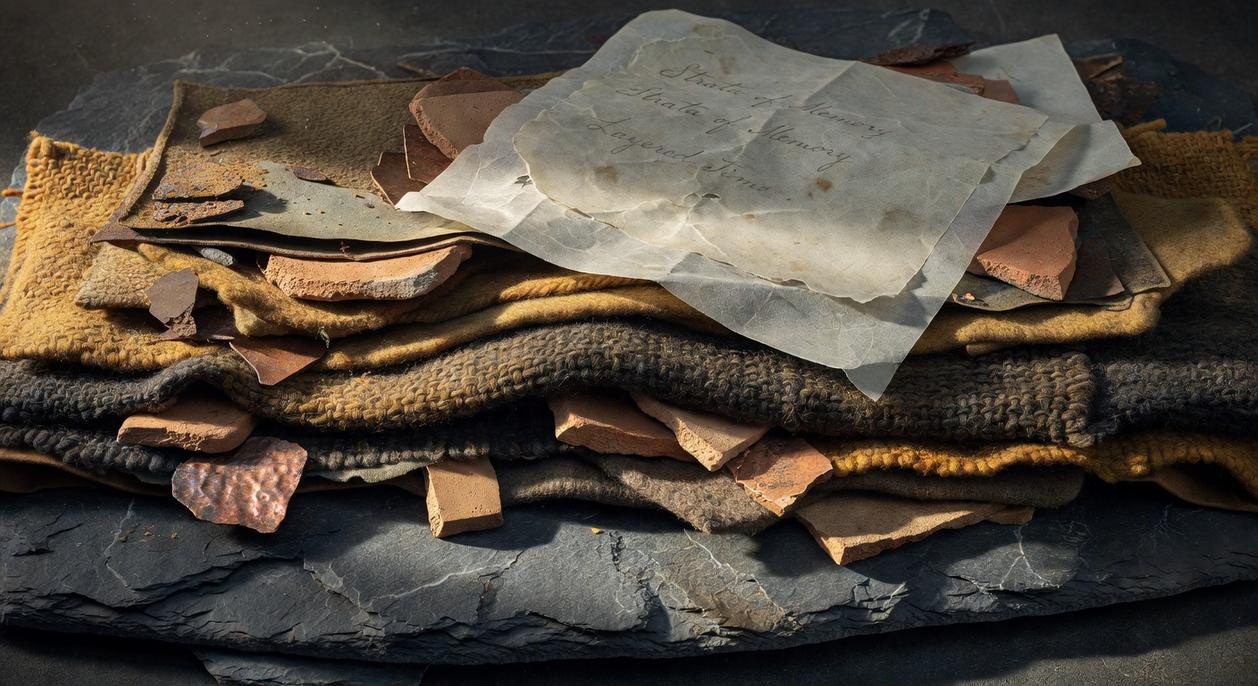
Texture is what makes a room feel finished. Without it, even the most expensive furniture can fall flat (yes, even that designer sofa). The secret isn’t adding more—it’s adding contrast with intention.
Start with a Strong Foundation
Begin with the largest surfaces: walls, floors, and anchor furniture. These set the tactile tone of the room. Smooth painted drywall, polished concrete floors, or a streamlined sectional create a calm base. From there, you layer in dimension—a hand-knotted wool rug, a distressed oak coffee table, or a supple leather sofa.
Some argue that keeping everything sleek and minimal feels more modern. That’s true in certain spaces. But overly uniform finishes can read sterile. A balanced mix introduces warmth without clutter.
Introduce Contrasting Elements
Contrast is the core principle of layering textures in interior design. Pair opposites deliberately: smooth leather with a chunky knit throw, brushed brass against raw wood, velvet cushions on a linen-upholstered chair. These combinations create visual tension—in a good way.
For example, a jute rug (natural, coarse fibers) grounds a glass or metal table beautifully. The tactile difference makes each material stand out more.
Pro tip: If everything feels “busy,” remove one competing texture rather than adding another.
Vary the Scale
Scale refers to the visual weight of a texture. Fine-weave linen curtains feel light and airy, while a large open-weave rattan chair feels bold and structural. Mixing both prevents monotony and keeps the eye moving naturally around the room.
Follow the Rule of Three (or Five)
Designers often group textures in odd numbers—like a boucle chair, a linen pillow, and a cashmere throw. Odd groupings feel organic and balanced (there’s actual psychological research supporting preference for asymmetry in visual compositions; see Gestalt principles).
Don’t Forget Walls and Windows
Textured wallpaper like grasscloth, wood paneling, velvet drapes, or sheer linen curtains dramatically affect depth and acoustics. Texture doesn’t just look good—it absorbs light and softens sound.
And remember, texture works hand-in-hand with color. For deeper insight, explore color psychology in interior styling what your palette says.
Common Pitfalls: How to Avoid a Textural Mismatch
Texture mistakes rarely scream; they whisper. The real danger isn’t bold choices—it’s playing it too safe.
-
The Monotone Texture Trap: Designers often preach cohesion, but an all-plush room feels flat. A sofa, rug, and pillows in identical softness blur together (like wearing denim on denim without contrast). Layer contrast, not copies.
-
Ignoring Functionality: A high-pile rug under a dining table sounds chic—until crumbs move in permanently. Beauty that ignores purpose isn’t luxury; it’s inconvenience.
-
Forgetting Visual Weight: Contrary to popular belief, heavy textures aren’t always cozy. Too many rough finishes shrink a room. Balance is everything when using layering textures in interior design.
From Flat to Finished: Your New Textural Toolkit
You set out to understand how to turn a flat, one-dimensional room into a space that feels styled and intentional. Now you know that mastering layering textures in interior design is the key to achieving that professional, multi-dimensional look.
The goal isn’t to add more—it’s to add contrast and balance. When you thoughtfully mix soft with structured, smooth with nubby, matte with sheen, you engage both the eye and the sense of touch.
Start small today. Swap in a new set of pillows or drape a textured throw over your sofa and watch the transformation unfold instantly.