
Designing a home today is about more than choosing colors and furniture—it’s about creating a space that supports how you live, work, and recharge. If you’re searching for practical ideas, fresh inspiration, or smarter ways to plan your space, this guide is built to give you clear, actionable direction. We focus on the principles that truly improve comfort, functionality, and long-term value, helping you avoid costly mistakes and design decisions you may regret later.
Drawing from established interior design practices, current lifestyle research, and insights shared by experienced home planners, this article brings together ideas that are both inspiring and realistic. We’ll also explore how technology in residential planning is reshaping modern homes, from smarter layouts to integrated systems that enhance everyday living.
Whether you’re refreshing a single room or rethinking your entire layout, you’ll find thoughtful guidance designed to help you make confident, well-informed choices for your home.
The Intelligent Home: Beyond Gadgets to True Integration
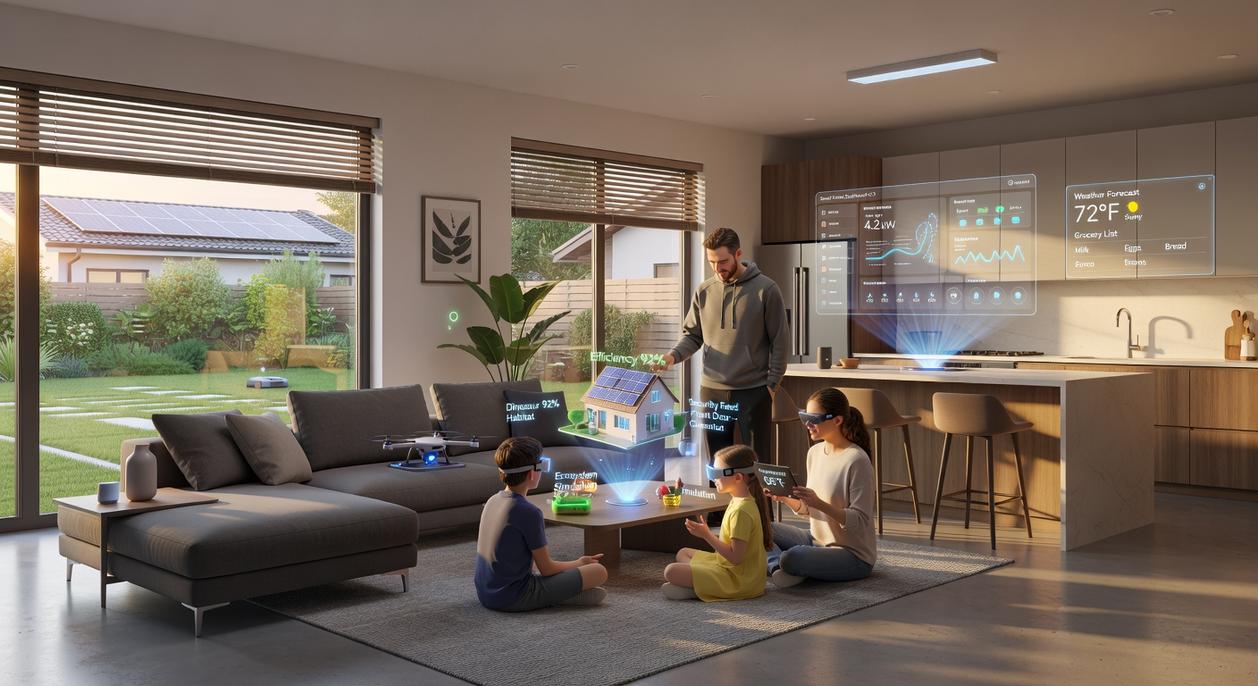
At first glance, a “smart home” sounds simple—add a few devices, download some apps, and you’re done. However, true integration means your systems communicate automatically, not just coexist. In other words, integration is when lighting, climate, security, and energy management operate as one coordinated network.
Many homeowners confuse automation (scheduled actions) with interoperability (devices sharing data). The difference matters. For example, a thermostat adjusting based on real-time occupancy sensors saves more energy than a fixed schedule (and fewer daily tweaks).
When you approach technology in residential planning strategically, you design comfort, efficiency, and control into the home’s foundation.
The Automated Ecosystem: Mastering Energy and Efficiency
Last summer, I came home to a house that felt like a greenhouse (not the relaxing, plant-filled kind). That was the moment I stopped dabbling in smart gadgets and started building a TRUE automated ecosystem.
Smart Thermostats & HVAC Zoning
A smart thermostat learns your temperature preferences and adjusts automatically. Pair it with occupancy sensors (devices that detect movement) and window/door sensors to prevent cooling an empty room—or worse, the outdoors. In my case, the system now shuts off when a window opens. Energy waste dropped almost immediately (and so did my mood swings over utility bills).
Intelligent Lighting Systems
Centralized systems like Lutron or Control4 outperform standalone bulbs because they coordinate the entire home. “Scenes” preset lighting for activities:
| Scene | Effect |
|————-|———————————-|
| Movie Night | Lights dim to 20% |
| Cooking | Bright task lighting |
Add daylight sensors, and lights dim automatically when sunlight fills the room. THAT’S efficiency you barely notice.
Energy Monitoring & Management
Whole-home monitors like Sense track real-time usage. They identify “energy vampires” (devices drawing constant standby power). Pro tip: shift heavy appliance use to off-peak hours for lower rates (U.S. EIA confirms time-of-use savings potential).
Automated Window Treatments
Motorized blinds adjust based on sun position, reducing summer heat gain and boosting winter warmth. It’s a practical way to Use technology in residential planning for measurable comfort gains.
Want deeper strategies? Explore this comprehensive guide on smart home efficiency: https://example.com/smart-home-efficiency.
Fortress & Flow: Redefining Home Security and Access
Unified Security Systems
DIY gadgets promise savings, but fragmented devices rarely talk to one another. In contrast, a professionally integrated system built around a central hub connects locks, cameras, motion sensors, and alarms. The benefit? Coordinated automation: if a breach is detected, lights flood on, doors secure, and alerts reach your phone instantly. That level of orchestration brings peace of mind and fewer blind spots.
Smarter Access Control
Meanwhile, keyless entry redefines convenience. Smart locks issue temporary codes for guests or delivery drivers, while biometric scanners use fingerprints or facial data for seamless, high-assurance access. The payoff is simple: no lost keys, no awkward lockboxes, and a clear access log you can review anytime. Pro tip: assign unique codes per user to track comings and goings.
Next-Generation Surveillance
Furthermore, AI-powered cameras reduce false alarms by distinguishing people, vehicles, and animals. Features like package detection and familiar-face recognition deliver relevant alerts, not constant noise. That means faster responses and less alert fatigue.
Water and Environmental Sensors
Finally, leak detectors, freeze warnings, and air-quality monitors protect what you can’t always see. Early alerts prevent mold, burst pipes, and costly structural damage. When paired with technology in residential planning, these systems enhance efficiency and long-term value. In short, integrated security delivers safety, savings, and smarter daily living. All in harmony.
The Responsive Environment: Designing for Wellness and Comfort
A responsive environment is a home that automatically adjusts to support your WELL-BEING. Instead of reacting manually—flipping switches or adjusting thermostats—your space anticipates your needs. Here’s how it works.
Human-Centric Lighting revolves around circadian rhythm lighting. Your circadian rhythm is your body’s internal clock that regulates sleep and energy levels. These smart systems shift from cool, blue-toned light in the morning (to boost alertness) to warmer, amber hues at night (to signal rest). Studies show that aligning indoor lighting with natural daylight patterns can improve sleep quality and mood (Harvard Health Publishing). Think of it as sunrise and sunset—on autopilot.
Whole-Home Audio Integration means installing in-ceiling or in-wall speakers for a seamless look. You can create “zones,” allowing jazz in the kitchen and a podcast in the office, all managed from ONE app. It’s clean, clutter-free, and surprisingly simple once centralized.
Climate and Air Quality Control goes beyond temperature. Systems now regulate humidity, manage ventilation through ERVs/HRVs (Energy or Heat Recovery Ventilators that exchange stale indoor air with fresh outdoor air), and filter pollutants automatically. The result? Healthier air without constant adjustment.
Finally, Automated Ambiance ties everything together. A “Good Morning” scene might raise blinds, warm floors, brighten lights, and start your news briefing. This approach reflects the evolution of residential architecture over the last century while embracing Use technology in residential planning to create TOTAL COMFORT.
The Connected Hub: Future-Proofing Your Home Network*
The Case for Wired Infrastructure
Wi‑Fi is convenient, but Ethernet is dependable. Hardwiring with Cat6a or higher supports up to 10 Gbps over 100 meters (TIA standards), reducing latency for 4K streaming, remote work, and PoE security cameras. Studies from Ookla show wired connections consistently outperform wireless in speed and stability. Planning cabling during construction costs far less than retrofitting later (walls don’t love being reopened).
Mesh Wi‑Fi vs. Access Points
- Mesh: Simple setup, ideal for apartments or wood-frame homes.
- Access Points: Wired backhaul, stronger for large or concrete builds.
Creating a Centralized “Nerve Center”
A dedicated panel keeps modems, switches, and hubs organized, improving airflow and maintenance—smart technology in residential planning backed by structured wiring best practices.
Bringing a connected home to life starts with intention.
You now have a roadmap for weaving technology into your design so every system works together, not against you.
Still, I’ll admit something: the perfect setup looks different for every household.
What works in theory doesn’t always translate neatly into real life (just ask anyone who’s fought with a “smart” thermostat).
That’s why technology in residential planning matters.
By planning ahead, you sidestep device chaos and create a home that feels intuitive.
As a result, efficiency, security, and comfort rise together.
Start small—perhaps with lighting or energy—and sketch the next upgrade.
Design Smarter, Live Better
You came here looking for clarity on how modern homes are evolving—and now you have it. From intentional layouts to technology in residential planning, you’ve seen how thoughtful design choices directly impact comfort, efficiency, and everyday living. The right approach doesn’t just make a home look better; it makes life run smoother.
If you’ve ever felt frustrated by cluttered spaces, poor flow, or rooms that simply don’t work the way you need them to, you’re not alone. A home that isn’t optimized creates daily stress. But with the right insights and planning strategies, you can transform your space into one that supports your lifestyle instead of working against it.
Now it’s time to take the next step. Start evaluating one room today—identify what’s not functioning and apply the principles you’ve learned. For deeper guidance and proven ideas trusted by thousands of design-focused homeowners, explore more expert-backed insights and practical inspiration. Your home should work for you—start designing it that way now.