
Your living room doubles as an office, your bedroom moonlights as a gym, and somehow your guest room is supposed to spark creativity. When one space has to do it all, it often ends up feeling cluttered and unfocused. This guide to multi-functional room design offers a smarter approach. Instead of quick fixes, we break down a strategic framework built on zoning, transformative furniture, and vertical optimization. Drawing on proven interior styling principles and practical home design insights, we’ll show you how to create a space that adapts effortlessly—working as hard as you do without sacrificing comfort or style.
The Blueprint Phase: Defining Your Room’s “Job Description”
Before you buy a single throw pillow, pause and ask yourself: what is this room actually supposed to do? More importantly, what must it do? Start by listing every activity the space needs to support. Then divide them into primary functions (the room’s main purpose, like sleeping) and secondary functions (supporting roles, like working or exercising). Think of it as casting a movie—there’s one lead actor and a few strong supporting roles (sorry, treadmill). This hierarchy guides every design decision.
Next, sketch a simple floor plan. It doesn’t need to be architect-perfect—just clear. Map out zones using rugs, furniture placement, or even subtle paint changes. For example, an “office” zone might include a desk, task lamp, and defined rug, while the “lounge” zone centers around a sofa and floor lamp. This is the backbone of smart multi-functional room design.
Then consider flow. Can you move easily from the door to the window? From desk to sofa without sidestepping obstacles? Clear pathways prevent cramped energy (and stubbed toes). If something blocks movement, rethink it. After all, shouldn’t your space work with you, not against you?
The Art of Transformation: Choosing Furniture That Does Double Duty
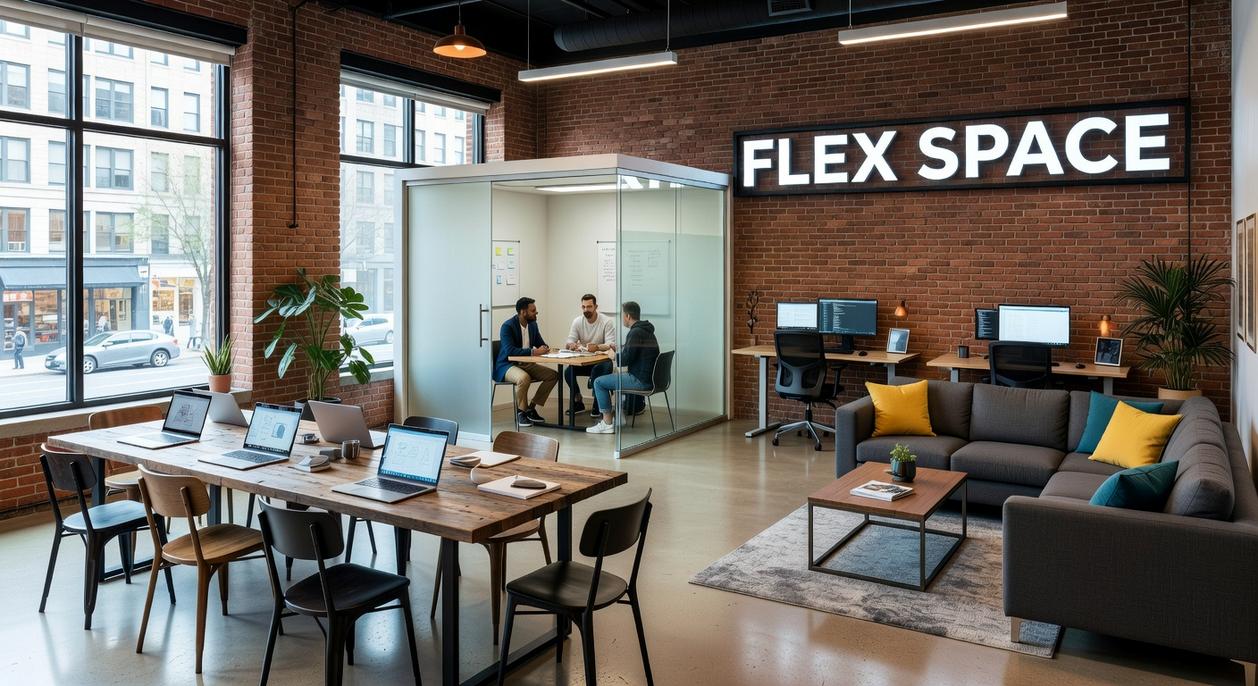
Back in 2020, when homes suddenly became offices, gyms, and classrooms overnight, many people realized their furniture wasn’t keeping up. The solution wasn’t buying more—it was buying smarter. That’s where multi-functional room design earns its reputation.
Invest in High-Quality Convertibles
A convertible is a piece of furniture designed to serve more than one purpose without sacrificing comfort. Think beyond the old-school futon (we’ve all endured one). Modern sleeper sofas now feature memory foam mattresses and smooth pull-out mechanisms that rival traditional beds. Lift-top coffee tables rise to dining height in seconds, and expandable consoles stretch from slim hallway tables to full dining setups.
Some argue dedicated furniture is more durable. Fair point. But after three months of testing a lift-top desk in a small apartment, the flexibility outweighed the slight trade-off in heft. Pro tip: test the mechanism in-store—smooth motion today means fewer headaches later.
Storage Is Non-Negotiable
Hidden storage keeps secondary functions discreet. Ottomans that stash blankets, drawer beds, and benches with compartments prevent visual clutter (because chaos spreads fast).
For more practical ideas, explore 10 smart home organization hacks for busy households.
Mobility and Modularity
Furniture on locking casters adapts instantly. A kitchen cart can pivot roles throughout the week:
| Piece | Monday | Saturday |
|——–|———-|————|
| Kitchen Cart | Workstation | Bar Cart |
| Modular Shelf | Office Storage | Display Unit |
Modular pieces reconfigure as needs evolve—like Lego for grown-ups, but far more practical.
Most small-space guides stop at decluttering. However, the opportunity is above eye level. By maximizing vertical space, you reclaim square footage without sacrificing style.
Wall-Mounted Solutions That Disappear
Wall-mounted desks that fold flat aren’t just trendy; they convert dead wall space into productive zones. Add floating shelves instead of bulky bookcases to keep sightlines open. Critics argue shelves collect dust and look sparse. Yet when styled with staggered heights and closed storage boxes, they feel intentional (not like a college dorm fix).
Floor-to-ceiling shelving goes further. A tall, narrow unit draws the eye upward, creating perceived height—a design principle called vertical emphasis, meaning visual weight is directed skyward. Moreover, positioned perpendicular to a wall, it becomes a subtle divider for multi-functional room design, separating work and lounge areas without closing them off.
Then there’s the pegboard—often overlooked outside garages. Installed in a hobby or office nook, it offers:
- Adjustable hooks for evolving storage needs
- Easy cable management for electronics
- Display space for tools as decor
While competitors focus on furniture swaps, few address adaptability. The advantage here is flexibility; as your needs shift, your walls evolve with you. Pro tip: paint pegboards the wall color for a seamless, built-in effect.
Unified by Design: Using Light and Color to Connect Your Zones
I once thought adding more lights would automatically fix a cramped space. It didn’t. The room felt like an overexposed photo—bright, harsh, and oddly smaller. The lesson? Lighting needs layers, not volume. Use focused task lighting (like a desk lamp) in work areas and warm ambient lighting (like sconces or floor lamps) where you unwind. Dimmers are essential—they let you shift from productivity to relaxation without rewiring your life (or your ceiling).
Color was another misstep. I experimented with bold shades in every corner, and the result looked like a paint store exploded. Now I stick to a cohesive palette: neutral base tones with repeat accent colors in each zone. It creates flow without monotony.
And don’t underestimate mirrors. I placed one opposite a window and instantly doubled the perceived light. In multi-functional room design, small adjustments like these prevent big regrets—and make your space feel intentional, not improvised.
From Cluttered to Cohesive: Your Multi-Purpose Masterpiece
You came here looking for a way to turn a chaotic, single-use space into something that truly works for your life. Now you have the blueprint to do exactly that. By focusing on intentional zoning and prioritizing smart, flexible furniture, your multi-functional room design can finally support your work, relaxation, and daily routines—without the clutter or compromise.
The frustration of a room that never quite “works” ends when you give it clear purpose. Start today by writing your room’s job description and sketching a simple zone map. Need more practical, proven home solutions? Explore our #1-rated design insights and transform your space with confidence.