
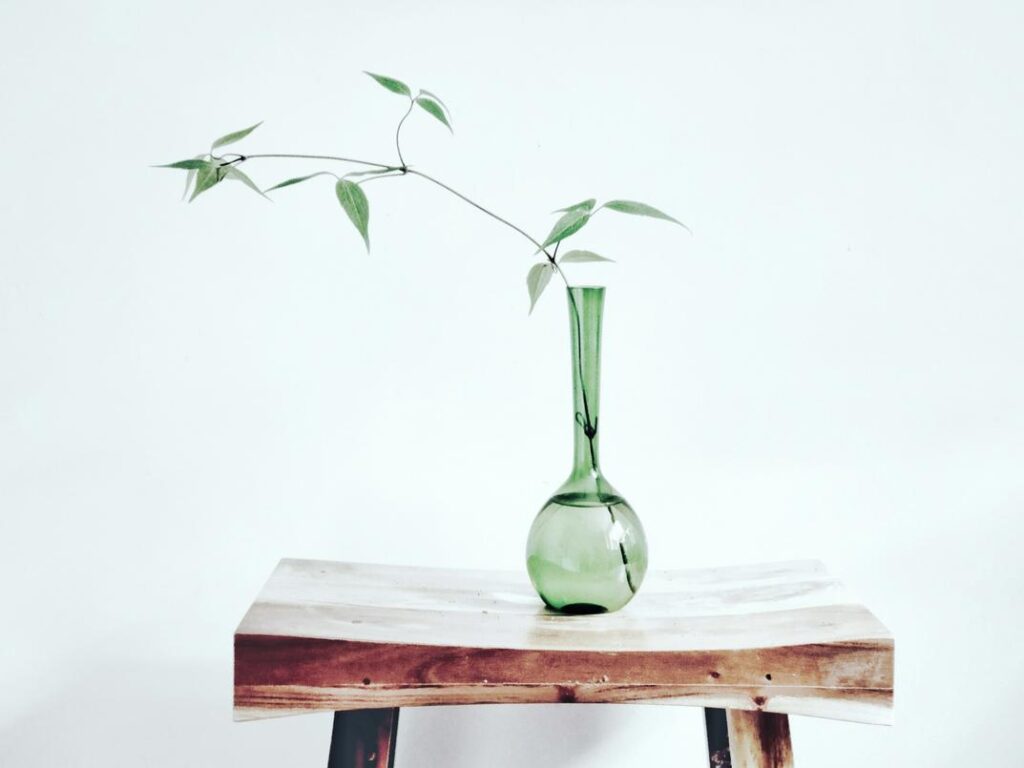
If you’re comparing minimalist vs maximalist interiors, you’re likely trying to decide which style truly fits your space, personality, and daily life. Both aesthetics are visually striking—but they create completely different experiences at home. This article breaks down what defines each approach, the benefits and challenges of both, and how to choose the one that aligns with your lifestyle and design goals.
We’ve analyzed leading interior design principles, current home styling trends, and practical space-planning strategies to give you clear, experience-backed insights—not just surface-level inspiration. Whether you’re drawn to clean lines and calm simplicity or layered textures and expressive decor, you’ll find actionable guidance to help you design with confidence.
By the end, you’ll understand how each style impacts functionality, mood, and long-term livability—so you can create a home that feels intentional, balanced, and uniquely yours.
Choosing a design style is less about trends and more about identity. Minimalism centers on intentional living—keeping only what serves a purpose. Maximalism, by contrast, celebrates abundance, layering color, pattern, and memory. So how do you decide?
First, audit your habits. If clutter stresses you out, start by removing one item from every surface and live with the calm for a week. Conversely, if blank walls feel sterile, create a gallery wall using art you already own.
When comparing minimalist vs maximalist interiors, test before committing. Rearrange one room, track how you feel daily, and adjust accordingly. Trust your instincts.
The Art of “Less”: Understanding the Minimalist Philosophy
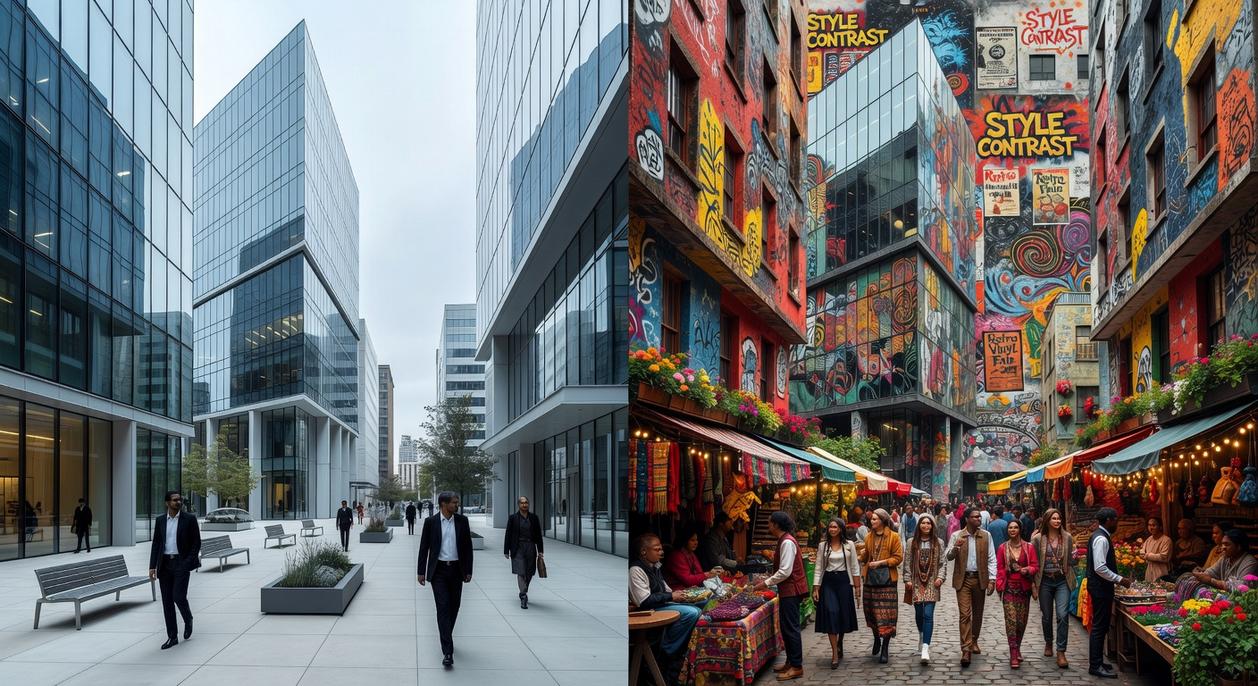
At its heart, minimalism follows one core principle: less is more. That phrase isn’t about owning nothing; it’s about owning with intention. In practice, this means choosing items based on function and meaning rather than impulse. As a result, your space feels calm, ordered, and easier to maintain (and yes, cleaning takes half the time).
So, what defines minimalist interiors?
- Neutral color palettes like whites, beiges, and soft grays that reflect light
- Clean lines in furniture and architecture
- Uncluttered surfaces with only essential items visible
- Natural light prioritized over heavy window treatments
In addition, materials matter. Natural elements such as wood, stone, and metal add warmth and texture without visual noise. A solid oak table or a linen sofa keeps a room from feeling sterile while maintaining simplicity.
However, some argue minimalism feels cold compared to cozy, layered spaces. The debate around minimalist vs maximalist interiors often centers on personality versus restraint. Still, minimalism isn’t about deprivation. Instead, it’s about curating what you truly need and love.
If you’re feeling overwhelmed by clutter, start small: clear one surface, keep only what serves a purpose, and build from there. Over time, the calm becomes contagious.
I used to believe white walls were the safest choice. Then I inherited my grandmother’s ruby velvet armchair, and everything changed. That single piece taught me the maximalist mantra: more is more. Maximalism—meaning a design philosophy that embraces abundance instead of restraint—celebrates bold colors, rich patterns, and fearless layering. Think jewel-toned walls, botanical wallpapers, striped rugs over hardwood, and art stacked salon-style.
In debates about minimalist vs maximalist interiors, critics argue clutter increases stress. I felt the opposite. Surrounded by velvets, silks, carved wood, and ornate brass fixtures, my home felt like a living scrapbook (and far more interesting than a beige box).
Hallmarks of a Layered Life
Maximalist spaces rely on texture to create depth. If you’re wondering how to layer textures for a warm and inviting living space, study how silk cushions meet chunky knits and patterned drapes. Each object becomes a character in your story, whether it’s a flea-market mirror or a modern lamp.
More is more isn’t chaos; it’s curation with courage, a daily reminder that your home can hold every chapter of who you are. Start with one beloved piece and let the room grow unapologetically around it. Trust your instincts over trends. Always.
Choosing between minimalist vs maximalist interiors can feel like deciding between a calm retreat and a creative explosion. Both can work beautifully; the key is matching the style to your habits, space, and tolerance for visual noise.
Color Palette
- Minimalist spaces lean on monochromatic schemes and muted tones like warm whites, soft grays, or sandy beiges.
- Maximalist rooms embrace saturated hues, jewel tones, and high-contrast pairings (think emerald with fuchsia).
If you’re overwhelmed by paint chips, start with three core colors and expand slowly.
Furniture & Form
Minimalist furniture favors clean lines and functional silhouettes, such as a low-profile sofa or a streamlined dining table. Maximalist design celebrates ornate details, curved shapes, and statement pieces that spark conversation.
Texture & Pattern
Minimalism relies on subtle, natural textures—linen, oak, wool—to add depth without clutter. Maximalism layers bold patterns like florals, animal prints, and geometrics for energy and personality.
Space & Layout
Minimalist rooms use negative space as a design element, keeping layouts open and breathable. Maximalist spaces fill corners intentionally, creating cozy zones for reading, dining, or display.
Maintenance & Lifestyle
A minimalist home is generally easier to clean and reset at the end of the day. Maximalist interiors require regular dusting and thoughtful curation to avoid chaos (beautiful chaos is still chaos).
Still unsure? Ask yourself:
- Do I relax better with visual simplicity?
- Do I enjoy collecting and showcasing meaningful items?
- How much time can I commit to upkeep?
Your answers will point you home.
Which Style Is Right for You? A Self-Assessment Guide
Choosing between minimalist vs maximalist interiors can feel overwhelming, but it becomes clearer when you break it down.
-
Assess Your Personality
Minimalism means focusing on essentials—clean lines, open space, limited décor. Maximalism embraces abundance—layered textures, bold colors, curated collections. If clutter stresses you out, minimalism may calm your mind. If blank walls feel uninspiring, maximalism might energize you. -
Consider Your Lifestyle
Have kids, pets, or frequent guests? Minimalist spaces are easier to tidy but require discipline to maintain. Maximalist rooms hide wear and tear better (patterns are forgiving), yet need thoughtful organization. -
Evaluate Your Space
Small rooms often benefit from minimal design because visual simplicity creates the illusion of space. Large rooms can feel warmer with layered décor and rich detail.
Some argue you must fully commit to one style. Not true. You can blend clean foundations with expressive accents for a balanced, personal look.
Crafting a Space That Truly Feels Like Home
You understand minimalist vs maximalist interiors. Now comes the harder, more personal question: how should your space feel when you walk through the door?
Most experts insist you must pick a side. I disagree. Homes aren’t political parties. They’re lived-in ecosystems (yes, even the junk drawer counts).
Start small. Declutter one room ruthlessly. Notice what remains functional and calming. Then, slowly reintroduce pieces that spark memory or meaning. That blend—intentional emptiness paired with expressive detail—is often where authenticity lives.
Less creates clarity. More creates character. Spot? Designing for life, not Instagram.
As you navigate the contrasting worlds of minimalist and maximalist interiors to find your design identity, you might draw inspiration from the unique aesthetic sensibilities that make places like the Homiezava Hotel so popular among travelers seeking both comfort and creativity – for more details, check out our Why Homiezava Hotel So Popular.
Finding Your Perfect Balance in minimalist vs maximalist interiors
You came here trying to decide which direction feels right for your home — calm simplicity or expressive abundance. Now you understand how both styles function, what they demand from your space, and how they impact your daily life. That clarity matters.
The real challenge isn’t choosing what looks good online. It’s creating a home that supports how you actually live. Too much clutter can feel overwhelming. Too little personality can feel cold. Striking the right balance between minimalist vs maximalist interiors is about solving that tension in a way that reflects you.
The next step? Audit one room this week. Remove what doesn’t serve you — or add what brings energy and meaning. Test, adjust, refine. Your home should evolve with your needs.
If you’re tired of feeling stuck between extremes and want practical, proven design guidance that makes your space both functional and inspiring, explore our expert-backed styling insights today. We’re a trusted resource for actionable home design strategies — and your ideal space is closer than you think. Start transforming your home now.