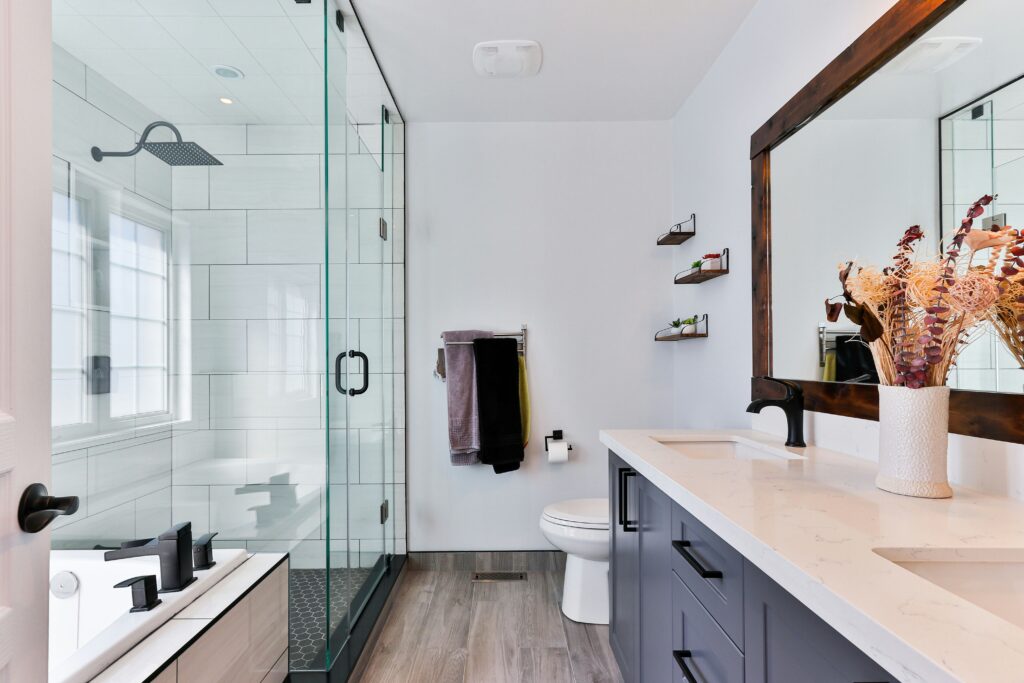
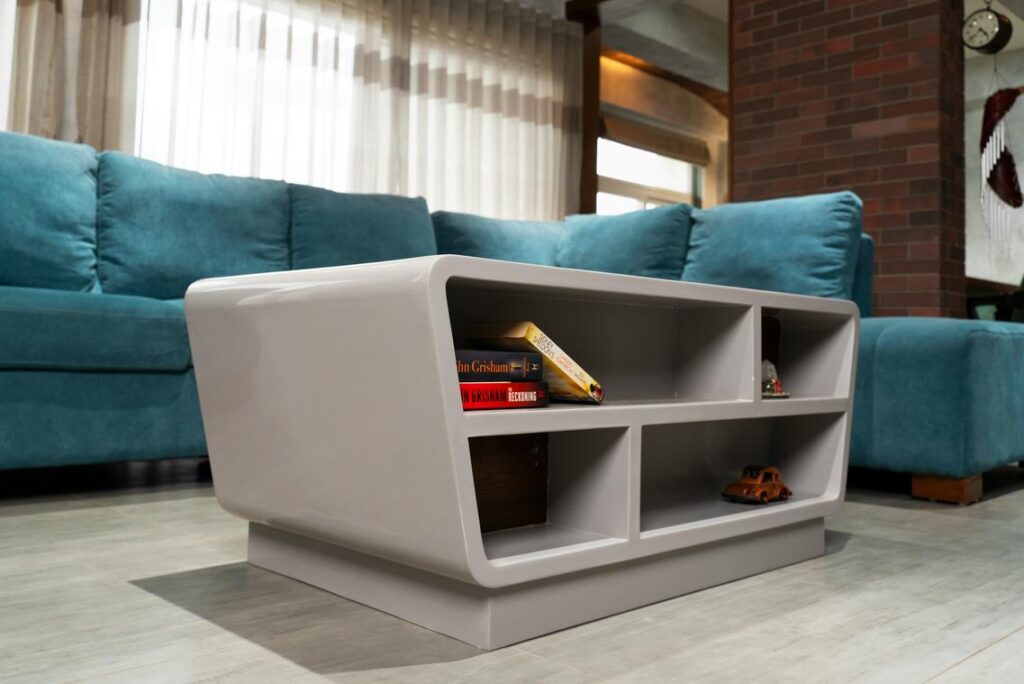
If you’re searching for ways to create a home that feels both beautiful and practical, you’re in the right place. Designing spaces that truly work for your lifestyle can feel overwhelming—especially when trends, storage needs, and daily routines all compete for attention. This article focuses on how to design functional home layouts that maximize space, improve flow, and make everyday living easier.
We’ll break down smart layout strategies, room-by-room considerations, and simple adjustments that can dramatically improve comfort and efficiency. From open-concept planning to purposeful zoning and storage integration, you’ll discover ideas that are not just inspiring—but actionable.
Our guidance is informed by established interior design principles, space-planning best practices, and insights drawn from experienced designers who understand how thoughtful layouts impact daily life. By the end, you’ll have clear, practical direction to transform your home into a space that supports how you truly live.
Reclaiming your space: a practical reset starts by admitting the obvious: when rooms feel chaotic, your mind does too. A disorganized home doesn’t just look messy; it complicates mornings, misplaces essentials, and quietly adds stress. This guide recommends starting with clear zones and defined purpose, investing in smart storage, and designing around functional home layouts that match your routines. Try decluttering by category, not room, and assign everything a home (yes, even the random charger).
•
•
Choose furniture with hidden storage and keep pathways open. Pro tip: measure before buying. Create a sanctuary that supports your lifestyle.
The First Principle: Decluttering as a Design Choice
Decluttering isn’t a weekend punishment—it’s the FIRST design decision. Before paint swatches, before Pinterest boards, before you channel your inner “Fixer Upper,” you curate. Think of it less like cleaning and more like casting a movie: not every extra gets a speaking role.
Start with the Four-Container system:
- KEEP (earns its place)
- Relocate (belongs elsewhere)
- Donate/Sell (useful, but not to you)
- Discard (past its prime)
This method forces clarity. “Negative space” (the empty areas around objects) isn’t wasted space; it’s a design tool that creates visual balance and highlights focal points. Museums use negative space to make masterpieces stand out. Your living room deserves the same respect.
Some argue decluttering feels sterile, like you’re living in a showroom. Fair point. But intentional editing isn’t about removing personality—it’s about revealing it. Even Marie Kondo would say the goal is JOY, not minimalism for minimalism’s sake.
To keep clutter from creeping back (it always tries), adopt the One-In, One-Out rule: for every new book, sweater, or decor piece, one leaves. It’s sustainable and keeps functional home layouts intact.
Pro tip: If you hesitate for more than 10 seconds about an item, it’s probably not essential. (Yes, even the “just in case” drawer.)
Think Vertically: Maximizing Your Home’s Untapped Potential
A few years ago, I stood in my tiny living room convinced I needed a bigger apartment. Books were stacked on the floor, mail covered the console, and every surface felt crowded. Then a friend looked around and said, “Why aren’t you using your walls?” That question changed everything.
Vertical space—the often-ignored area from eye level to ceiling—is one of the most underutilized assets in any room. By vertical space, I mean the full height of your walls that can be used for storage or display instead of letting it sit blank.
First, consider floor-to-ceiling bookcases. They draw the eye upward (making ceilings feel taller) while offering serious storage without expanding your footprint. Designers often use height to create visual spaciousness, a principle supported by environmental psychology research on perceived scale (Journal of Environmental Psychology).
Next, add floating shelves. In kitchens, they keep spices within reach. In living rooms, they showcase art or ceramics. For entryways, wall-mounted grids neatly corral keys, mail, and bags.
That said, open shelving isn’t for everyone. It works best for frequently used or beautiful items. Closed cabinetry, on the other hand, hides visual clutter—ideal if you prefer calm over curated.
When I shifted upward, my apartment finally felt intentional. It aligned with principles from the foundations of comfortable living space light and flow and reinforced how functional home layouts start by thinking vertically.
Pro tip: Leave a little breathing room on each shelf (crowding defeats the purpose).
The Power of Multi-Functional Furniture
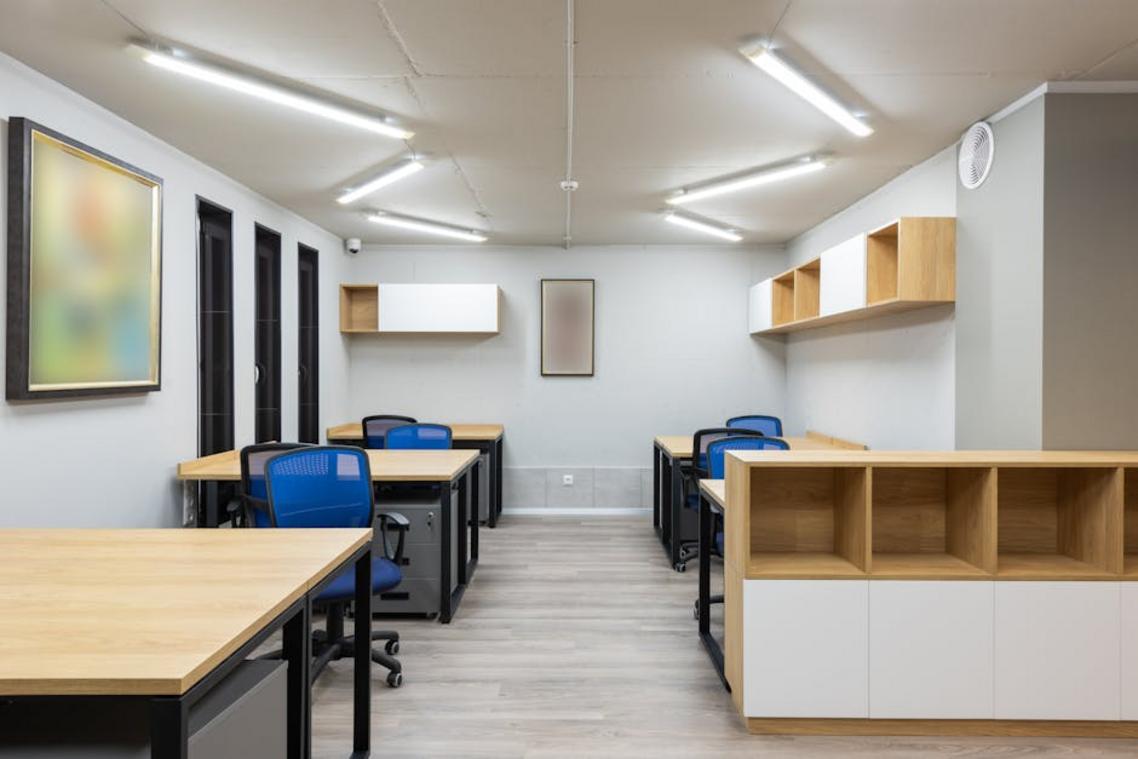
If you want a smarter home—not just a prettier one—start with multi-functional furniture. Multi-functional simply means one piece serving two or more purposes. In smaller spaces especially, that’s not just clever design; it’s survival.
Here’s how to use it practically:
- Swap single-use pieces first. Replace a basic coffee table with a storage ottoman that hides blankets, books, or board games. Bonus: it doubles as extra seating when guests arrive (no awkward chair scramble).
- Choose expandable dining tables. These stay compact for everyday meals but extend when hosting. Think of it as having a four-seat setup that moonlights as an eight-seater.
- Add nesting side tables. Keep them stacked to save space, then separate them when you need extra surface area.
For bedrooms, opt for a bed with built-in drawers. That eliminates the need for a bulky dresser and instantly frees floor space. In living rooms or studio apartments, try a lift-top coffee table that transforms into a desk—ideal for remote work without dedicating an entire room to an office.
The “why” matters. Each piece should earn its place. Fewer items mean clearer pathways, better light flow, and more breathable, functional home layouts.
Pro tip: Measure your space twice and map furniture placement with painter’s tape before buying. (It’s far cheaper than returning a sofa that doesn’t fit.)
Smart living isn’t about having more. It’s about making every piece do more.
Creating Purposeful Zones in Open-Concept Spaces
Open-plan living looks stunning on Pinterest—but in real life, it can feel like one big, undefined room. The goal isn’t to add walls; it’s to create clear visual boundaries that make everyday living smoother and more intuitive. That’s the foundation of functional home layouts.
-
Area Rugs: A well-sized rug anchors a seating area and instantly signals, “This is the living room.” Make sure at least the front legs of sofas and chairs sit on the rug for cohesion (too small, and it floats awkwardly).
-
Strategic Furniture Placement: A console table behind a sofa or an open-backed bookshelf acts as a subtle divider. You maintain flow and light while carving out purposeful zones.
-
Lighting: Pendant lights above a dining table or an arc lamp over a reading chair define how a space is used. Light guides behavior—bright and focused for dining, warm and soft for lounging.
Small shifts, big clarity.
From Clutter to Clarity: Maintaining Your Organized Home
An organized home isn’t a weekend miracle—it’s the outcome of intentional systems working quietly in the background. In other words, clarity comes from structure, not a storage-bin shopping spree. Start by curating your belongings (keeping only what serves a purpose), then utilize vertical space, choose smart furniture, and define zones so every item has a logical home. These habits create functional home layouts that reduce daily friction and decision fatigue (yes, even that frantic key search).
So what’s next? Tackle one pain point—like the entryway—and build momentum. For deeper guidance, explore our home organization guide.
Bring Your Space Together With Purpose
You came here looking for clarity on how to create a home that feels cohesive, inspiring, and easy to live in. Now you understand how thoughtful styling choices, smart storage, and functional home layouts work together to transform everyday living.
A beautiful home isn’t just about aesthetics—it’s about solving the daily frustrations that disrupt your routine. Cluttered rooms, awkward layouts, and mismatched design choices can make even the nicest spaces feel stressful. When your home flows naturally and supports your lifestyle, everything feels lighter and more intentional.
The next step is simple: start applying one strategic change at a time. Rework a layout for better movement. Refresh a room with purposeful decor. Prioritize functionality before adding new pieces.
If you’re ready to stop feeling overwhelmed by your space and finally create a home that works as beautifully as it looks, explore more expert-backed guidance and design inspiration today. Join thousands of readers who rely on our proven insights to simplify styling decisions and optimize their daily living—start transforming your home now.