I’ve designed gardens on quarter-acre lots that feel bigger than some two-acre properties I’ve walked through.
You’re probably thinking you need massive space and a huge budget to create something that actually impresses people. That’s what stops most homeowners from even trying.
Here’s the truth: a monumental garden isn’t about size. It’s about strategy.
I’ve spent years studying how professional designers create that sense of scale and intention. The techniques they use work just as well in a small backyard as they do on sprawling estates.
This garden guide homenumental breaks down the real principles behind gardens that make people stop and stare. I’m talking about the architectural decisions and structural choices that create impact.
You’ll learn how to use sightlines, layering, and focal points to make your space feel grand. How to pick plants that add weight and presence instead of just color. And how to build structure into your design so it feels intentional year-round.
No fluff about picking pretty flowers. Just the design strategies that actually transform a yard into something memorable.
By the end, you’ll know exactly how to turn your outdoor space into a personal monument, regardless of how much room you’re working with.
The Monumental Mindset: Core Principles of Grand Garden Design
Most people think grand garden design is about having acres of land.
It’s not.
I’ve seen tiny courtyards that feel more monumental than sprawling estates. The difference? It’s all in how you think about the space.
Think of it like composing music. A symphony doesn’t work because every instrument plays at once. It works because certain instruments lead while others support.
Your garden needs the same approach.
Scale and Proportion
Size doesn’t create impact. The feeling of size does.
One oversized planter can anchor an entire patio. A single mature tree can make a small yard feel like a private estate. It’s about choosing elements that command attention without crowding the space.
The Power of the Focal Point
Every room needs a place where your eye naturally lands. Gardens work the same way.
A sculpture catches light at the end of a path. A water feature becomes the heart of your outdoor room. Maybe it’s a specimen plant that stops people mid-conversation.
That anchor structures everything else. (Without it, you’re just arranging plants.)
Repetition and Rhythm
This is where most DIY gardens fall apart.
Repeating key plants or shapes throughout your space creates visual rhythm. It tells visitors this was planned, not thrown together on a weekend trip to the garden center.
The garden guide Homenumental approach uses this principle to turn ordinary yards into cohesive outdoor spaces.
Simplicity in Color
Here’s what I’ve learned after years of design work.
A limited palette beats a rainbow every time. Greens, whites, and one accent color create more impact than mixing every hue you can find.
It’s like wearing a well-tailored suit versus throwing on everything in your closet.
Step 1: The Blueprint – Planning Your Vision on Paper
Most people skip this part.
They see a beautiful garden on Pinterest and head straight to the nursery. Then they wonder why their yard looks like a plant graveyard six months later.
Now, some gardeners will tell you that planning kills creativity. That the best gardens grow organically without all this structure and forethought. Just plant what feels right and let nature do its thing.
I hear that argument a lot.
But here’s what actually happens when you skip the blueprint. You end up with sun-loving roses in full shade. Pathways that lead nowhere. A hodgepodge of styles that fight each other instead of working together.
Planning doesn’t kill creativity. It gives your creativity a framework to actually work.
Start with your canvas. Walk your space at different times of day. Where does the sun hit in the morning? Which spots stay shaded? What’s your soil like? (Grab a handful. Does it clump or fall apart?)
These aren’t just nice-to-know details. They determine what lives and what dies.
Pick your theme next. This is where the garden guide homenumental approach really matters. You need one clear direction. Formal and symmetrical? Wild and cottage-style? Clean and modern?
Choose one and stick with it.
Think in rooms. The best gardens don’t show you everything at once. Use hedges or pathways to create separate zones. A seating area here. A cutting garden there. This trick makes even small yards feel bigger. To create a Homenumental gaming space, think in rooms by using clever layouts and design elements that guide players through distinct zones, making even the smallest areas feel expansive and immersive. To transform your gaming setup into a truly Homenumental experience, embrace the concept of distinct zones that enhance both functionality and aesthetics, allowing you to immerse yourself in each area without feeling overwhelmed.
Sketch it out. Nothing fancy. Just a rough map showing where things go and how people will move through the space.
Where will your eye land first? How do you get from the patio to that bench in the corner?
This simple drawing saves you from ripping out plants later because you realized they’re blocking the view you wanted.
Once you’ve got this down, you’re ready to think about what actually goes in those spaces.
Step 2: Plant Selection – The Living Architecture of Your Garden
You know what separates a backyard from a real garden?
The plants you choose.
I spent my first year picking whatever looked pretty at the nursery. One fern here. A rose bush there. Maybe some petunias because they were on sale.
The result? A mess that looked like a plant store exploded in my yard.
Some people say variety is what makes a garden interesting. They’ll tell you to mix it up and keep things unpredictable. And sure, there’s a time and place for that approach. Garden Homenumental builds on the same ideas we are discussing here.
But here’s what I learned after watching my own garden fail.
Monumental gardens work differently. They need structure. They need plants that do the heavy lifting.
Think about it. When you walk through a space that takes your breath away, you’re not counting how many different species are crammed in there. You’re feeling the impact of bold choices.
I started over about three years ago. This time I focused on what I call living architecture.
Plants with presence.
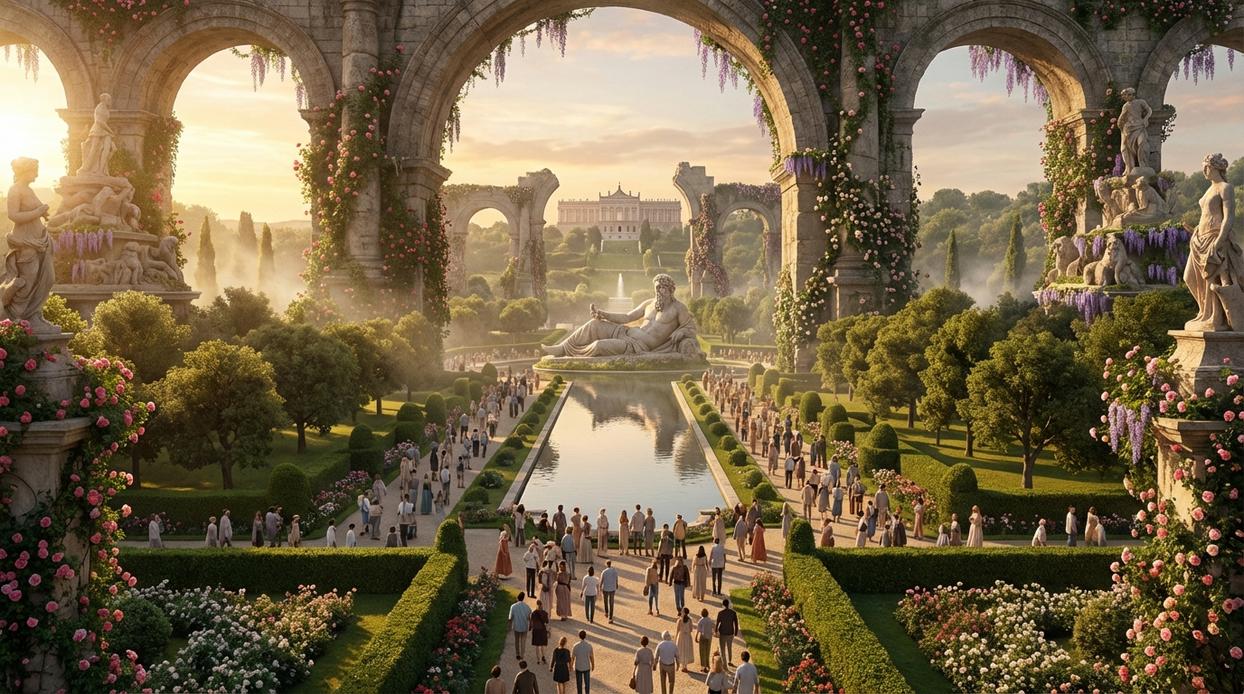
Tall grasses that sway when the wind picks up. Yuccas with those dramatic spiky leaves that look good even in winter. Hostas so broad they create actual shade underneath.
These aren’t just plants. They’re sculptures that happen to be alive.
Here’s something most garden guide homenumental resources won’t tell you straight. Flowers fade. They bloom for a few weeks and then you’re left staring at green stems for months.
Foliage is forever.
Well, not forever. But you get what I mean.
I mix large leaves with fine textures now. A big elephant ear next to wispy ornamental grass. The contrast creates depth that flowers alone never could.
And verticality? That changed everything for me.
I planted three Italian Cypress trees along my back fence two years ago. They’re about twelve feet tall now. They pull your eyes up and make the whole space feel bigger than it actually is.
(My neighbor asked if I was trying to hide something back there. No, just trying to add some drama.)
You can do the same thing with climbing vines if trees aren’t your style. Cover a wall or trellis and watch how it transforms the whole area.
But here’s the real secret I wish someone had told me earlier.
Mass planting.
Instead of buying twenty different perennials, I bought twenty of the same lavender. Planted them in a big sweep along the path.
The impact is completely different. One lavender plant is nice. Twenty lavender plants is a statement.
Some gardeners think this approach is boring. They want one of everything like they’re collecting Pokemon.
I get it. I used to think that way too.
But when you see a drift of the same plant repeated over and over, something clicks. It looks intentional. It looks like you knew what you were doing (even if you were figuring it out as you went).
This is how you build how to start home renovations homenumental scale into your outdoor spaces.
Start with your architectural plants first. Pick three to five types that have strong forms. Then repeat them throughout your garden.
The rest will fall into place.
Step 3: Hardscaping – The Bones of a Grand Design
Here’s where your garden guide homenumental approach really starts to take shape.
Hardscaping isn’t just about throwing down some pavers and calling it done. It’s about creating structure that makes everything else work.
Think of it like this. Your plants will come and go with the seasons. But your pathways and structures? Those stay. They’re the foundation that holds your whole design together. As you cultivate your garden with seasonal plants, remember that the enduring pathways and structures you create, detailed in the Homenumental House Infoguide by Homehearted, are what truly anchor your design and enhance its beauty year-round. As you cultivate your garden with seasonal plants, don’t forget to refer to the Homenumental House Infoguide by Homehearted for inspiration on creating lasting pathways and structures that will enhance the beauty of your outdoor space year-round.
The Statement Pathway
I always tell people to go wider than they think they need.
A three-foot path feels cramped. A five-foot path feels right. You want two people to walk side by side without brushing against plants or each other.
Gravel works great if you’re on a budget (it’s about $50 per cubic yard). Stone pavers give you that timeless look. Classic brick brings warmth and pairs well with older homes.
Whatever you pick, make sure it leads somewhere intentional. Not just to the mailbox or trash cans.
Structures as Focal Points
You don’t need to build the Taj Mahal here.
A simple cedar pergola over a seating area creates instant drama. I put one in my own yard last spring for around $800 in materials. Now that corner feels like a destination instead of just empty space.
An arbor at a garden entrance does the same thing. It frames the view and tells visitors they’re about to see something special.
Even a well-placed bench works. Position it where someone can actually sit and enjoy the view. Not facing a fence or the neighbor’s AC unit.
The Elegance of Water
Water features intimidate people but they shouldn’t.
Skip the complicated pond with pumps and filters. Start with something simple like a glazed ceramic bowl (around 24 inches wide) with a small recirculating pump inside. Total cost runs about $200 to $300.
The sound matters more than the size. That gentle trickling pulls the whole garden together in a way nothing else can.
Place it near your seating area. You’ll actually hear it there.
Strategic Use of Objects
This is where most people mess up. They buy a bunch of small pots and scatter them everywhere.
Don’t do that.
Get one or two large planters instead. I’m talking 20 inches or bigger. A single oversized pot planted with something bold (like a Japanese maple or ornamental grass) makes people stop and look.
Quality beats quantity every time.
Achieving the Look on a Realistic Budget
You don’t need deep pockets to create a garden that looks expensive.
I see people drop thousands on complete makeovers when they could get the same impact for a fraction of the cost. The trick is knowing where to spend and where to save.
Invest in One ‘Hero’ Piece
Pick one thing that makes people stop and stare. A mature Japanese maple. A stone fountain. Maybe a really good sculpture.
Build everything else around it over time. That single piece sets the tone for your entire space.
Patience Pays Off
Here’s what most people miss. A three-gallon shrub and a one-gallon shrub of the same plant? They’ll look identical in two years. But one costs three times as much.
Buy young. Let them grow. Your wallet will thank you.
DIY Smartly
Focus on projects that give you the biggest visual return. Clean bed edges make any garden look professional (even if you’re winging it). A simple gravel path costs maybe $100 but looks like you hired a designer.
| Approach | Cost | Timeline | Visual Impact |
|---|---|---|---|
| ———- | —— | ———- | ————— |
| Hero Piece | $200-500 | Immediate | High |
| Young Plants | $10-30 each | 1-2 seasons | Medium to High |
| DIY Edging | $50-100 | Weekend project | High |
The homenumental house infoguide by homehearted breaks down more budget strategies if you want to dig deeper. Garden Advice Homenumental builds on exactly what I am describing here.
What you get from this approach is simple. A garden that looks intentional and well-designed without the designer price tag. Plus you learn as you go, which means you’ll make better choices down the road. By exploring resources like “How to Start Home Renovations Homenumental,” you can gain valuable insights that not only help you create an intentional and beautifully designed garden but also empower you to make informed decisions for future projects. By exploring resources like “How to Start Home Renovations Homenumental,” you can gain valuable insights that empower you to create a beautifully curated garden space while honing your design skills for future projects.
Start with one good piece. Fill in with patience. The garden guide homenumental approach works because it’s realistic about what most of us can actually afford.
Your Garden, Your Monument
I want you to see your garden differently.
Not as a weekend project or something that just happens. But as a monument you’re building right at home.
You came here looking for a way to create something that matters. A garden that makes people stop and stare. One that feels grand even if your yard is small.
Here’s what I’ve learned: Size doesn’t create impact. Design does.
The most memorable gardens I’ve seen weren’t the biggest. They were the ones where someone made deliberate choices about what went where and why.
You now have the framework to build that kind of space. The kind that feels monumental because you planned it that way.
Your budget doesn’t limit you. Your plot size doesn’t limit you. What limits most people is thinking small when they should be thinking bold.
Go outside right now and look at your space with fresh eyes. Grab a notebook and start sketching. Think about sight lines and focal points. Consider what you want people to feel when they walk through.
This is your monument. Start building it today.