If you’ve been searching for smarter ways to bring order, style, and calm into your living space, you’re in the right place. A well-organized home isn’t just about appearances—it directly impacts your productivity, mood, and daily efficiency. This article is designed to help you cut through cluttered advice and focus on practical, results-driven strategies that truly work.
We’ve analyzed proven design principles, space-optimization techniques, and real-world household solutions to deliver actionable home organization hacks you can implement immediately. Whether you’re dealing with limited storage, busy family life, or simply want a more functional layout, you’ll find clear guidance tailored to modern living.
By combining interior styling insights with practical organization systems, this guide bridges the gap between inspiration and execution. You won’t just learn what looks good—you’ll discover what functions effectively in everyday life, helping you create a home that feels intentional, efficient, and effortlessly put together.
Reclaim Your Space: A System for Effortless Living
Feeling overwhelmed by clutter isn’t about owning too much; it’s about lacking a system. I firmly believe organization is a skill, not a personality trait. When homes feel chaotic, it’s usually decision fatigue at work (yes, that junk drawer counts).
This guide promises a practical framework that lasts—no weekend-only makeovers. You’ll learn to:
- Declutter with clear categories
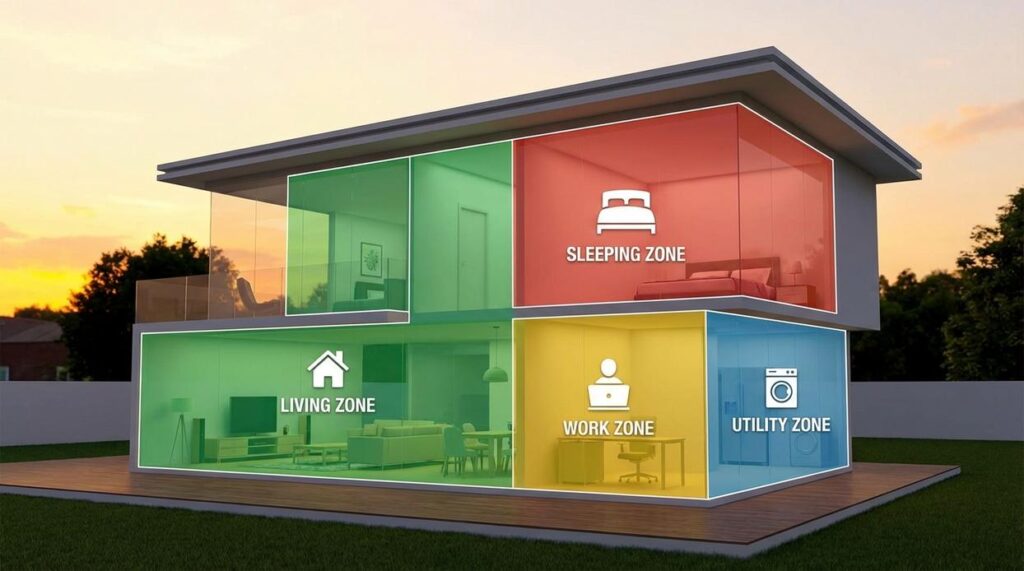
- Create logical storage zones
- Build tiny daily reset habits
These home organization hacks focus on real life, not showroom perfection. In my experience, simplicity beats aesthetics every time. Systems create freedom, not rigid rules. Honestly.
The Foundation: The “Contain and Conquer” Decluttering Method
Clutter feels overwhelming because we try to fix everything at once. Instead, start small. Choose one contained space—a junk drawer, a single shelf, the bathroom cabinet. By narrowing your focus, you create quick wins and visible progress. Momentum builds confidence (and confidence keeps you from quitting halfway through).
Next, use the Four-Box Technique. Label boxes: Keep, Donate/Sell, Relocate, and Trash/Recycle. Every item must land in one. This simple constraint removes gray areas and forces decisions. Think of it as a sorting algorithm for your stuff—efficient, unemotional, decisive.
Then there’s the “Touch It Once” rule. When you pick something up, decide immediately. No “maybe” pile. That pile is just procrastination wearing a neat outfit. By deciding on contact, you reduce decision fatigue—a psychological term for the mental drain caused by too many choices (Baumeister et al., 1998).
As you sort, ask sharper questions: Have I used this in the last year? Do I own something that does the same job better? Does this item support the life I want to live? If not, it’s clutter, not potential.
Some argue sentimental items deserve endless storage. However, preserving everything dilutes meaning. Keep the best, release the rest.
Looking ahead—speculation, clearly—homes will likely feature more built-in storage and modular furniture as minimalism continues trending (Statista, 2023). In the meantime, practical systems like these remain the most reliable home organization hacks in the section once exactly as it is given. Start today with just one drawer now.
Strategic Placement: How to “Zone” Your Home for Peak Functionality
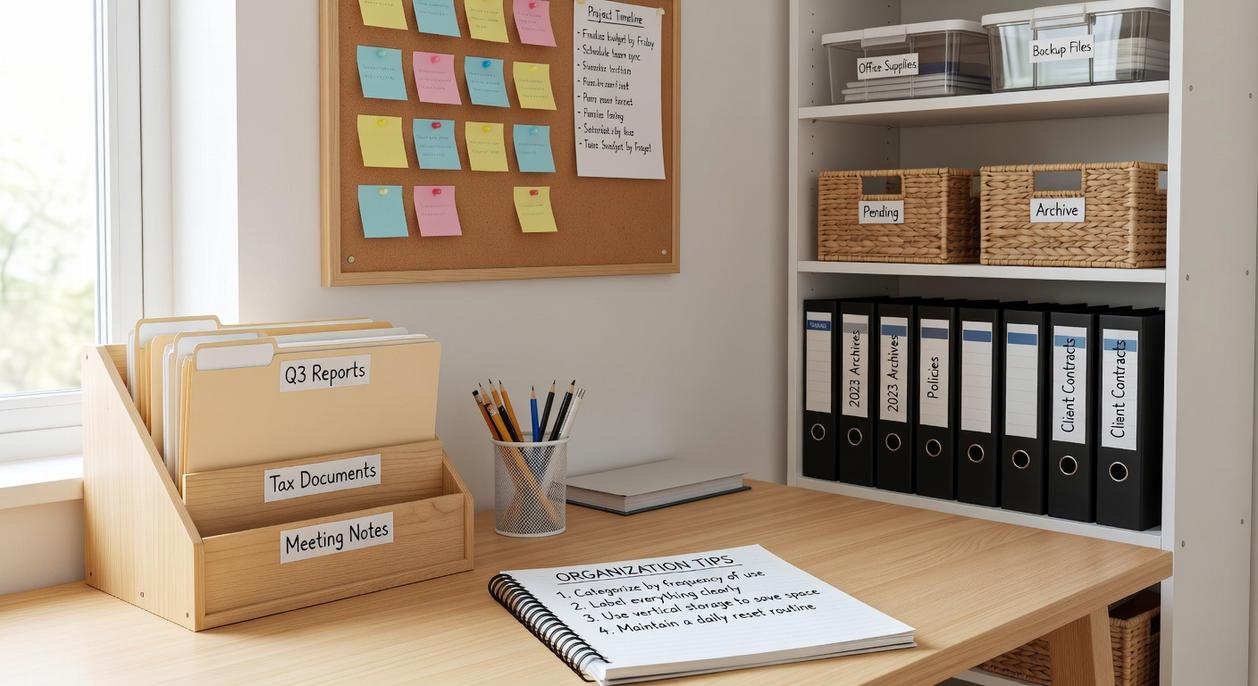
Zoning is the practice of grouping similar items together based on function or frequency of use. Think of it as creating mini “departments” inside your home. Instead of scattering mugs in one cabinet and coffee beans in another, you build a coffee zone with the maker, filters, mugs, and beans all within arm’s reach. (Your 6 a.m. self will thank you.) Professional organizers often recommend this method because it reduces decision fatigue and saves time (American Psychological Association notes that fewer daily decisions lower stress levels).
In the kitchen, zoning can feel like assembling your own cooking show set—minus the dramatic countdown. Create a baking zone with mixing bowls, measuring cups, and flour nearby. Set up a food prep zone with knives, cutting boards, and oils close to the stove. A lunch-packing station with containers, snacks, and wraps streamlines busy mornings like you’re in a montage from The Devil Wears Prada. Pro tip: store the most-used items between waist and eye level for maximum efficiency.
Closets benefit from zoning too. Organize clothes by category—work, casual, formal—then by color for visual clarity (retail stores use color blocking because it speeds selection). Add a getting ready zone with shoes, belts, and accessories grouped together. It’s one of those home organization hacks that instantly makes mornings smoother.
In living rooms and offices, define clear areas for work, relaxation, and entertainment. A desk and task lamp signal focus; a cozy chair and throw mark unwind time. If you’re exploring how to design a morning routine space that boosts productivity, zoning is the foundation. Even Beyoncé has a stage setup for a reason—every zone has a purpose.
Smarter Storage: Maximizing Space You Already Have
Think vertically. If you’re tired of bumping into clutter, LOOK UP. Walls are prime real estate, yet most of us ignore them. Floating shelves, tall bookcases, and over-the-door organizers draw the eye upward and free precious floor space.
Clear containers are a sanity-saver. Opaque bins turn storage into a guessing game, forcing you to pull everything out just to find one item. With transparent boxes, you see what’s inside instantly (no more treasure hunts).
Drawers become chaotic fast. The fix? Dividers. In kitchens, bathrooms, and offices, they stop items from becoming a jumbled mess and make mornings smoother. It’s one of those home organization hacks that feels almost too simple.
Multi-functional furniture is your secret weapon. An ottoman with hidden storage, a coffee table with drawers, or a bed with built-in compartments keeps clutter out of sight. Why let square footage go to waste?
Pro tip: declutter before you organize. Otherwise, you’re just rearranging the chaos. LESS STUFF, MORE SPACE. That’s the real win.
When everything has a visible, intentional home, daily routines feel lighter, faster, and far less frustrating (and that’s something we can all appreciate). Especially during busy weekday mornings rushes.
Maintaining Order: Simple Habits for a Permanently Organized Home
A permanently organized home isn’t about perfection—it’s about repeatable systems that quietly work in the background (even on busy Tuesdays).
The “One-In, One-Out” Rule
This rule is simple: every time a new item enters your home—a shirt, mug, or throw pillow—an old one leaves. By keeping your total volume of belongings stable, you prevent clutter creep before it starts. The benefit? Closets that close easily and cabinets that don’t avalanche when opened.
The 10-Minute Tidy-Up
Set a timer for 10 minutes each evening. Return items to their designated “zones” (a zone is a specific, consistent home for an item). This short reset prevents small messes from snowballing into weekend-long cleanups. Pro tip: pair it with brushing your teeth so it becomes automatic.
Create a “Landing Strip”
Designate a tray, hooks, or slim console near your entrance for keys, mail, wallets, and bags. This single drop point eliminates the daily scavenger hunt and keeps entryways guest-ready.
Schedule Regular Purges
Add a quarterly reminder to declutter closets or pantries using the Four-Box Technique: Keep, Donate, Trash, Relocate. These structured home organization hacks ensure clutter never regains control.
Create a Home That Finally Works for You
You came here looking for practical ways to simplify your space and make everyday living feel easier. Now you have the tools, ideas, and home organization hacks to turn cluttered rooms into functional, calming environments.
Disorganization isn’t just about mess — it steals your time, drains your energy, and adds unnecessary stress to your day. The good news? Small, intentional changes can completely shift how your home feels and functions.
Start with one room. Apply one system. Clear one surface. Momentum builds faster than you think.
If you’re ready to stop feeling overwhelmed by your space and finally enjoy a home that supports your lifestyle, explore more expert-backed strategies and smart design insights today. Thousands of readers rely on our proven guidance to transform their homes — and you can too. Start now and take control of your space for good.