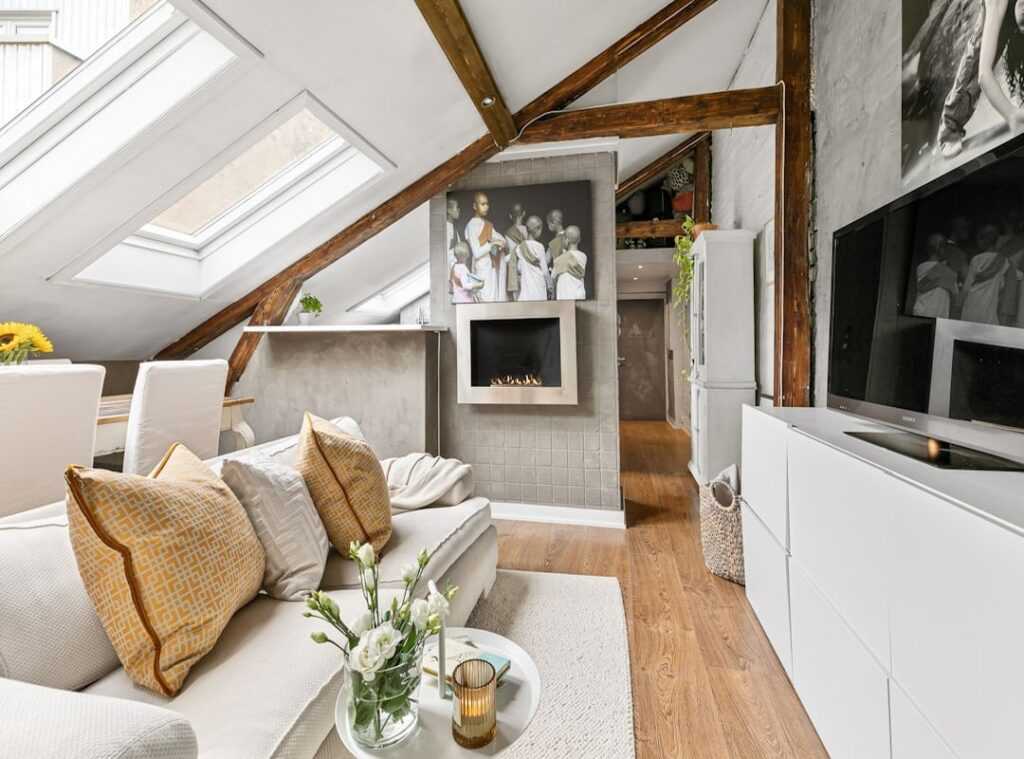
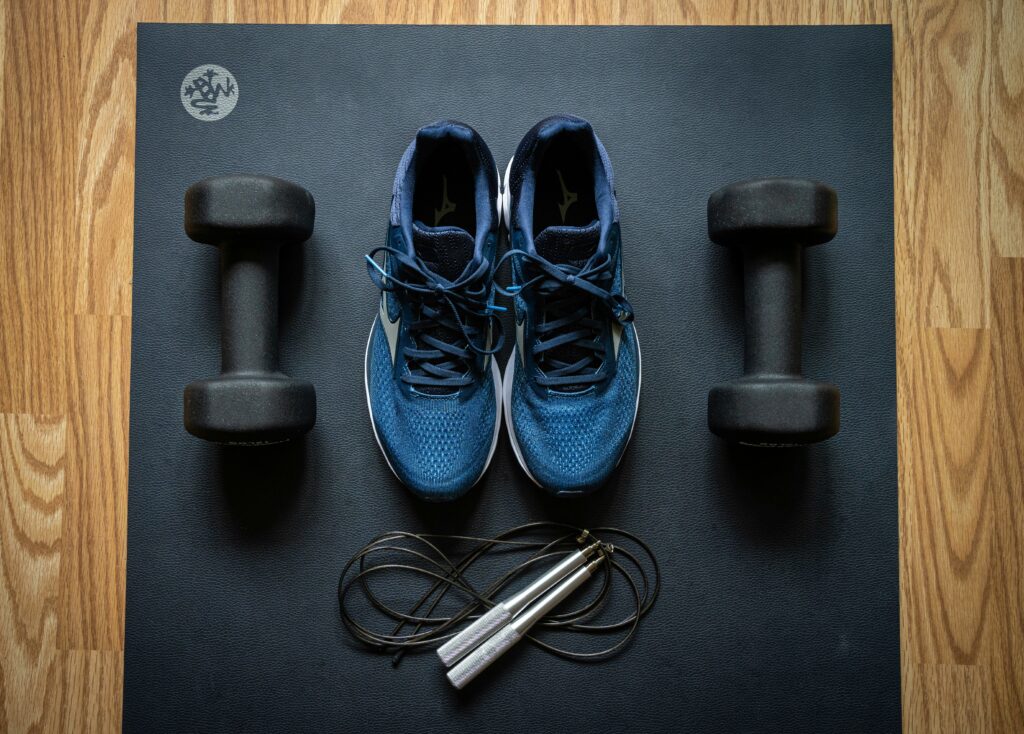
Turning a small room into a gym always sounds easier before the measuring tape comes out. You may imagine a neat workout corner with a mat, a few weights, and maybe an exercise bike, but once you look at the actual space, it becomes clear that not everything will fit.
That does not mean small spaces cannot work. But they actually can! The trick is to treat the project less like buying workout gear and more like designing a room that has to earn every square foot. A good home gym does not need to look like a commercial fitness studio. It needs to suit the way you actually move, the space you actually have, and the habits you are most likely to keep.
For some homeowners, the motivation starts with sport itself. Watching athletes train, following a season, or taking time to learn more about the NCAAF matchups can make a spare corner feel like it should be doing more than storing old boxes. The challenge is turning that motivation into a room that can work for a long time.
Start With the Room, Not the Equipment
The first mistake is buying equipment before deciding what the space can realistically handle. A folding bench, a rower, or an exercise bike may seem compact until you need clearance around it. Even a yoga mat needs more room than people expect if the workout includes lunges, floor stretches, or wide movements.
Before buying anything, measure the room properly. Look at the floor area, ceiling height, door swing, outlet placement, windows, storage needs, and anything fixed in place. Then think about the main purpose of the room. A space for strength training needs different planning from a space for yoga, mobility, boxing, or cardio.
This is where an interior designer’s mindset helps. The question is not, “How much gym equipment can I fit in here?” The better question is, “What can this room do comfortably without becoming annoying to use?” If the answer is only a mat, dumbbells, and resistance bands, that is still a useful gym if it gets used.
Flooring is another early decision. Hard floors may need mats for grip and impact. Carpet can work for stretching, but it is not always ideal for sweat or heavy equipment. If the room is above another living space, noise matters too. Dropping weights in a small upstairs room may not be the best long-term plan, especially if someone else lives below you.
Make the Space Work Twice
Most people do not have a spare room that can become a gym and nothing else. A small space often has to stay useful for storage, work, guests, or everyday family life. That is why flexible furniture and storage matter so much.
Foldable benches, wall-mounted racks, stackable weights, sliding storage bins, and compact shelving can help keep equipment from spreading across the room. Resistance bands, yoga blocks, jump ropes, and smaller accessories should have a clear home. If everything ends up in a pile, the room stops feeling like a gym and starts feeling like a closet with ambitions.
Mirrors can not only help a small space feel larger, but also have a practical use. They make it easier to check form during exercises. Lighting has a similar effect. A dark corner does not invite anyone to work out, no matter how good the equipment is. Natural light is ideal, but if that is not possible, bright and simple lighting can make the space feel more intentional.
Furniture choices can also support the conversion. A storage bench can hide smaller gear. A desk that folds away can let a room switch from office to workout area. A cabinet with doors can make equipment disappear when the room needs to look calmer. The goal is not to pretend the gym is not there. It is to stop it from taking over the entire room.
Think Like a Designer, Then Train Like a Normal Person
A small gym has to be practical, not perfect. Interior design is partly about making a space look good, but it is also about removing daily friction. If you have to move three chairs and unplug a lamp before exercising, the workout will probably not happen very often.
Traffic flow is important. There should be enough space to enter the room, move safely, and put equipment away without turning the whole process into a puzzle. Sharp corners, loose cords, unstable shelves, and cluttered floors are small problems that become bigger when someone is tired halfway through a workout.
Ventilation is easy to forget. A small room heats up quickly, especially during cardio or high-intensity training. A window, fan, or simple air circulation plan can make the space much more comfortable. The same goes for materials. Wipeable surfaces, durable flooring, and easy storage are more useful than delicate finishes that look nice but cannot handle regular use.
The best small gym designs usually have restraint. They do not try to include everything; they focus on the workouts the homeowner is most likely to repeat.
A small gym is successful when it feels easy to start using. It does not need to impress anyone online. It needs to make the next workout feel slightly less difficult to begin.
Turning a small space into a gym area is really a planning exercise. The room has to balance movement, storage, safety, comfort, and appearance. When those pieces are considered before the shopping starts, even a modest corner can become useful.
Small spaces come with limits, but limits can also make the design sharper. They force homeowners to choose equipment carefully, use storage properly, and create a room that supports real habits instead of fantasy routines. A good small gym is not the one with the most gear. It is the one that makes fitness easier to fit into daily life.