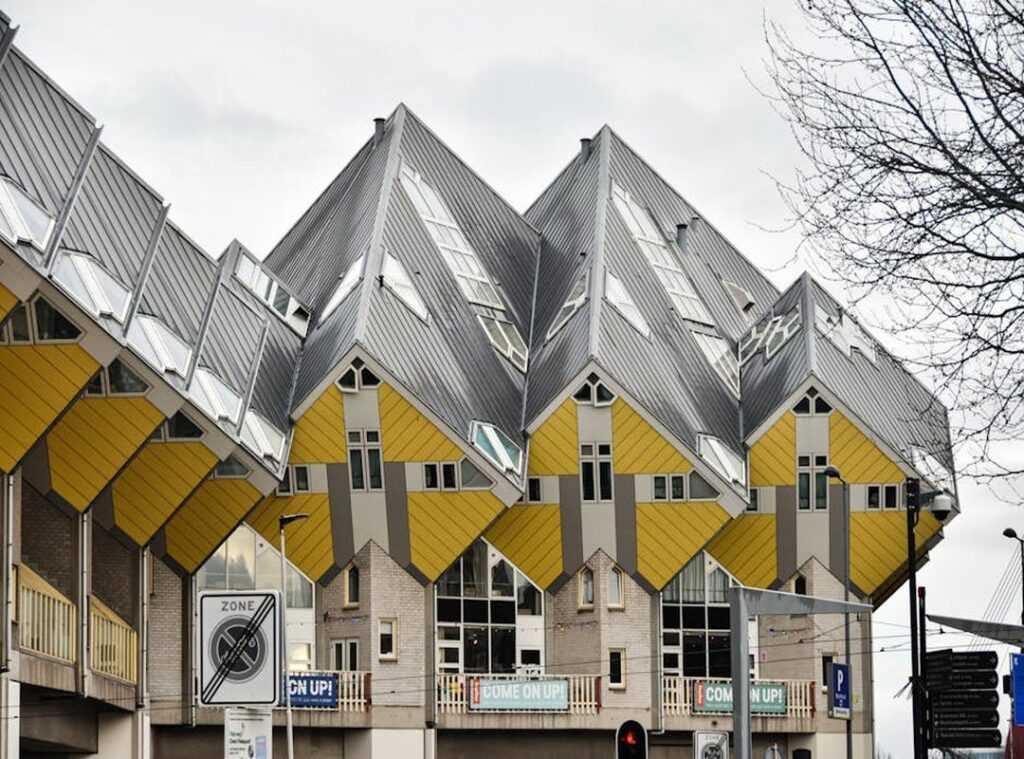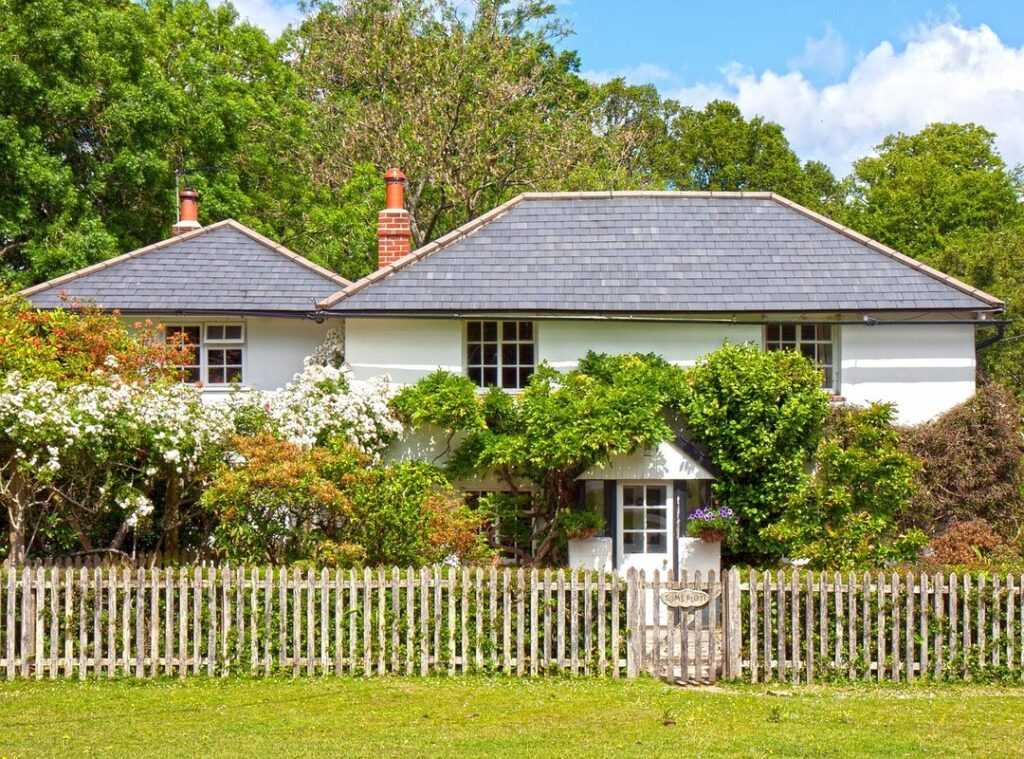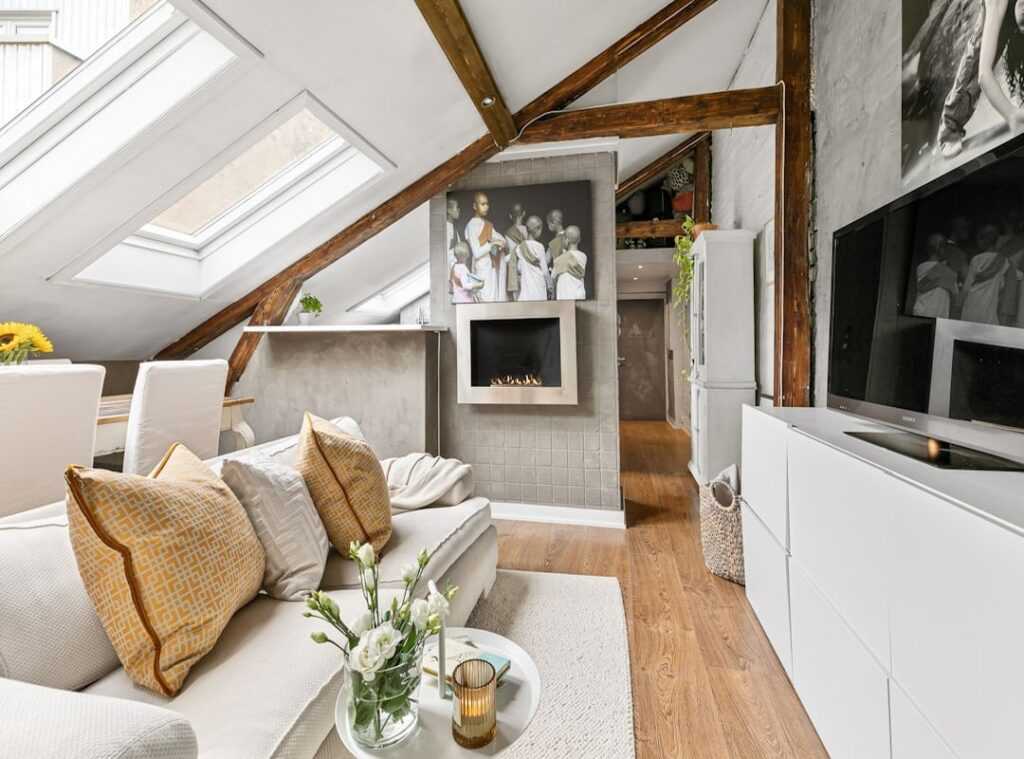

Choosing between traditional vs contemporary building materials is one of the most important decisions in any home design or renovation project. Whether you’re building from the ground up or updating an existing space, understanding how these materials differ in durability, aesthetics, cost, and sustainability can directly impact your long-term satisfaction and investment.
If you’re searching for clarity on which option best suits your style, climate, and daily living needs, this guide is designed to help. We break down the strengths and limitations of each approach, compare performance and maintenance requirements, and highlight how material choices influence comfort and functionality.
Our insights are based on extensive research into architectural trends, material innovation, and real-world home applications. By the end of this article, you’ll have a clear, practical understanding of how to confidently choose the right materials for your space and lifestyle.
Building the Future: How Your Home’s Materials Shape Your Life
Choosing between traditional vs contemporary building materials can feel overwhelming. COST, durability, sustainability, and maintenance all matter. Some argue older materials like brick and timber are safer because they’re proven (and your grandparents’ house is still standing). Others counter that engineered wood and insulated concrete forms cut energy bills long term.
Here’s a quick comparison:
| Factor | Conventional | Modern |
|---|---|---|
| Upfront Cost | Lower |
Moderate |
| Energy Use | Higher | Lower |
| Maintenance | Moderate | Lower |
PRO TIP: Match materials to your CLIMATE and budget first—trends second. Balance performance with long-term lifestyle goals. Think decades, not months.
The Building Blocks: Defining Traditional vs. Innovative Materials
When discussing traditional vs contemporary building materials, it helps to start with what’s familiar. Conventional materials—like solid wood framing, brick, natural stone, and traditional concrete—have stood the test of time. In other words, they’ve proven their durability across generations. Wood frames most North American homes because it’s workable and cost-effective (National Association of Home Builders). Likewise, brick and stone are prized for longevity and that classic, “this-house-has-stories” aesthetic.
On the other hand, modern materials are engineered for performance. Structural Insulated Panels (SIPs) and Insulated Concrete Forms (ICFs) improve energy efficiency by reducing thermal bridging, while recycled steel offers strength with lower environmental impact (U.S. Green Building Council). Composite decking resists rot better than wood—though some homeowners debate whether it matches wood’s natural charm.
Still, I’ll admit: innovation moves fast. Not every new product has decades of data behind it. Yet progress often starts exactly there—with experimentation.
Cost vs. Value: A Financial Breakdown of Building Materials
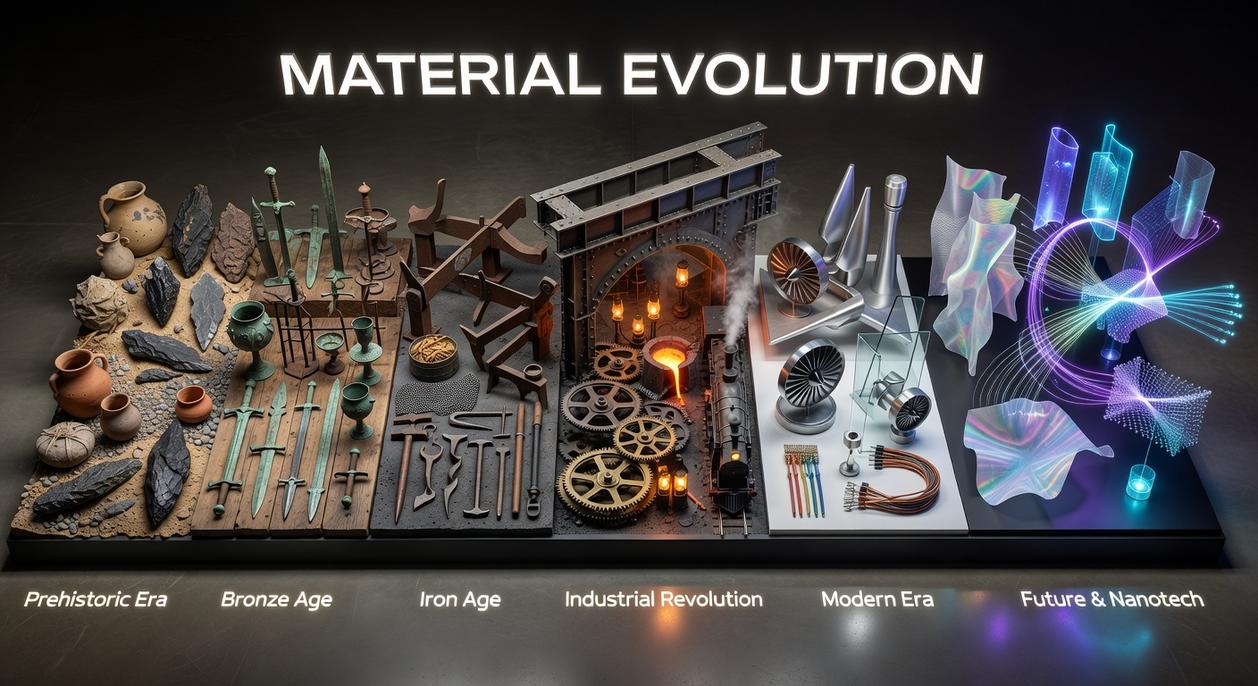
When comparing building materials, it helps to separate cost (what you pay now) from value (what you gain over time). Many homeowners blur these terms—and that’s where budgets unravel.
Upfront Investment refers to the initial purchase and installation expense. Traditional materials like wood and brick often appear cheaper at checkout. However, they typically require skilled labor, longer build times, and more on-site adjustments. Those added labor hours can quietly inflate the total project cost (and delays aren’t exactly budget-friendly).
Long-Term Savings focuses on operational efficiency. Structural Insulated Panels (SIPs)—prefabricated panels with built-in insulation—cost more initially but reduce construction time and energy waste. Because SIPs limit thermal bridging (heat escaping through structural gaps), homeowners can see measurable reductions in heating and cooling bills over decades, according to energy-efficiency studies from the U.S. Department of Energy.
Then there are Hidden Costs, meaning maintenance and repairs over a home’s lifespan. Wood siding requires staining and sealing every few years, while many modern composites are designed to resist moisture and pests with minimal upkeep.
The debate over traditional vs contemporary building materials often centers on price tags alone. But as explained in how technology is transforming modern residential planning, smarter material choices increasingly balance durability, efficiency, and long-term financial stability.
Strength and Longevity: Which Materials Stand the Test of Time?
When homeowners compare traditional vs contemporary building materials, the conversation often stops at appearance. However, longevity is where the real story unfolds.
Conventional durability still commands respect. Brick and stone can last 100 years or more when properly maintained (National Association of Home Builders). They resist fire, deter pests, and handle temperature swings with minimal structural compromise. That said, they aren’t invincible. Foundation settling can cause cracking, and mortar joints require periodic repointing—a process of renewing the outer portion of mortar to maintain structural integrity. Without it, moisture infiltration becomes a silent threat (and water always wins).
On the other hand, modern resilience introduces materials engineered for extremes. Insulated Concrete Forms (ICFs)—hollow foam blocks filled with reinforced concrete—provide exceptional resistance to hurricanes and tornado-force winds. Recycled steel framing goes a step further: it’s impervious to termites, won’t rot, and doesn’t warp with humidity changes. In regions prone to severe weather, that stability offers a measurable insurance advantage.
Maintenance, meanwhile, often determines true longevity:
- Wood siding demands regular painting, sealing, and rot repair.
- Fiber cement resists fading, staining, and mold with minimal upkeep.
- Composite materials maintain color integrity for decades with basic cleaning.
Critics argue that traditional materials “age with character.” Fair point—there’s charm in weathered brick (think Brooklyn brownstone). Yet charm shouldn’t mask cumulative repair costs.
Ultimately, durability isn’t just about surviving the elements—it’s about minimizing intervention over time. And increasingly, that’s where engineered materials quietly outperform their predecessors.
Eco-Friendly Construction: The Environmental Footprint of Your Home
When we talk about eco-friendly construction, we’re really talking about a building’s environmental footprint—the total impact a home has on the planet, from raw material extraction to daily energy use. First, consider the impact of tradition. Conventional lumber often contributes to deforestation, while cement production alone accounts for roughly 8% of global CO2 emissions (International Energy Agency). That’s a staggering figure. Still, it’s worth admitting that not all traditional materials are inherently harmful; responsible forestry and improved cement blends are evolving, though the long-term scalability of these solutions remains debated.
On the other hand, innovation is reshaping the traditional vs contemporary building materials conversation. Many modern options include recycled steel or plastic composites, and bamboo regenerates far faster than hardwood forests. In addition, engineered wood maximizes each harvested tree (though adhesives used in some products raise environmental questions).
Most importantly, lifetime energy efficiency changes the equation:
- Structural Insulated Panels (SIPs) reduce thermal bridging
- Insulated Concrete Forms (ICFs) improve airtightness
- Spray foam enhances insulation performance
As a result, homes require less heating and cooling, cutting emissions for decades. Even so, predicting exact savings can be tricky, since climate and occupant behavior play major roles.
Making the right choice for your dream home depends on priorities. Are you chasing lower upfront costs, long term efficiency, or bold aesthetics? Some argue traditional vs contemporary building materials is a battle of old versus new. However, that framing misses the point. Instead, consider: 1. Budget—how much flexibility do you have? 2. Performance—will insulation, durability, and maintenance support daily living? 3. Values—does sustainability or heritage matter more? Critics say compromise weakens results. Yet, balance often creates homes that feel both smart and soulful. Ultimately, use this framework with your designer and builder to align comfort, efficiency, and style into one cohesive vision.
Choosing the Right Materials for a Home That Lasts
By now, you have a clear understanding of how traditional vs contemporary building materials impact durability, aesthetics, maintenance, and overall living comfort. Your goal was to determine which option truly fits your lifestyle, budget, and long-term vision—and now you’re equipped to make that decision with confidence.
The reality is that choosing the wrong materials can lead to higher maintenance costs, design regrets, and a home that doesn’t feel aligned with how you actually live. The right choice, however, enhances comfort, boosts value, and supports daily functionality for years to come.
Take action today: evaluate your priorities, compare performance and style benefits, and consult with a trusted design professional before finalizing your plans. If you want expert-backed insights that simplify the process and help you avoid costly mistakes, explore our proven home design resources—trusted by thousands of homeowners looking to build smarter and live better.
Your home deserves materials that work as hard as you do. Make the informed choice now and create a space that truly supports your everyday life.