As cities expand and lifestyles evolve, the way we think about urbanization and home design is changing just as quickly. If you’re here, you’re likely looking for practical ideas, fresh inspiration, or smarter ways to create a home that reflects your personality while supporting your daily routine. This article is designed to do exactly that—break down modern household concepts, explore interior styling strategies, and share design insights that balance beauty with functionality.
We’ve drawn from current architectural research, conversations with interior designers, and real-world living trends to ensure the guidance you’ll find here is both inspiring and practical. From space-saving solutions to mood-enhancing layouts, you’ll discover actionable ideas that help you optimize your environment without overwhelming your budget or schedule.
Whether you’re refreshing a single room or rethinking your entire space, this guide will help you make confident, informed decisions that elevate everyday living.
The city’s population is swelling at a pace unseen in history; according to the United Nations, 68% of people will live in urban areas by 2050 (UN, 2018). Consequently, each square foot carries more weight. Yet traditional floor plans, built for sprawl, resist density. As urbanization and home design collide, apartments must deliver efficiency, sustainability, and comfort within envelopes. Some argue micro-living feels claustrophobic. However, overlooked innovations tell story. Adaptive walls that slide like stage sets, biophilic inserts that mimic pocket parks, and modular storage carved into stair cores are redefining livability. Ultimately, you’ll see how density drives smarter homes.
Maximizing Every Square Foot: The Rise of Compact, Multi-Functional Design
The average home in major metropolitan areas has been shrinking for years, largely due to rising costs and increased demand. In simple terms, urbanization and home design are now closely intertwined: as cities grow denser, living spaces get smaller. According to data from the National Association of Home Builders, new apartment sizes in major U.S. cities have trended downward over the past decade. So how do we make less space feel like more?
First, flexible layouts rethink what a “room” even means. An open-plan layout combines living, dining, and work areas into one shared footprint. Instead of solid walls, designers use sliding partitions (movable wall panels), shelving units, or subtle level changes to define zones. In other words, you create boundaries without building barriers. It’s a bit like a movie set—one space, multiple scenes. Some critics argue open plans reduce privacy. That’s fair. However, well-placed partitions or acoustic panels can restore separation without sacrificing openness.
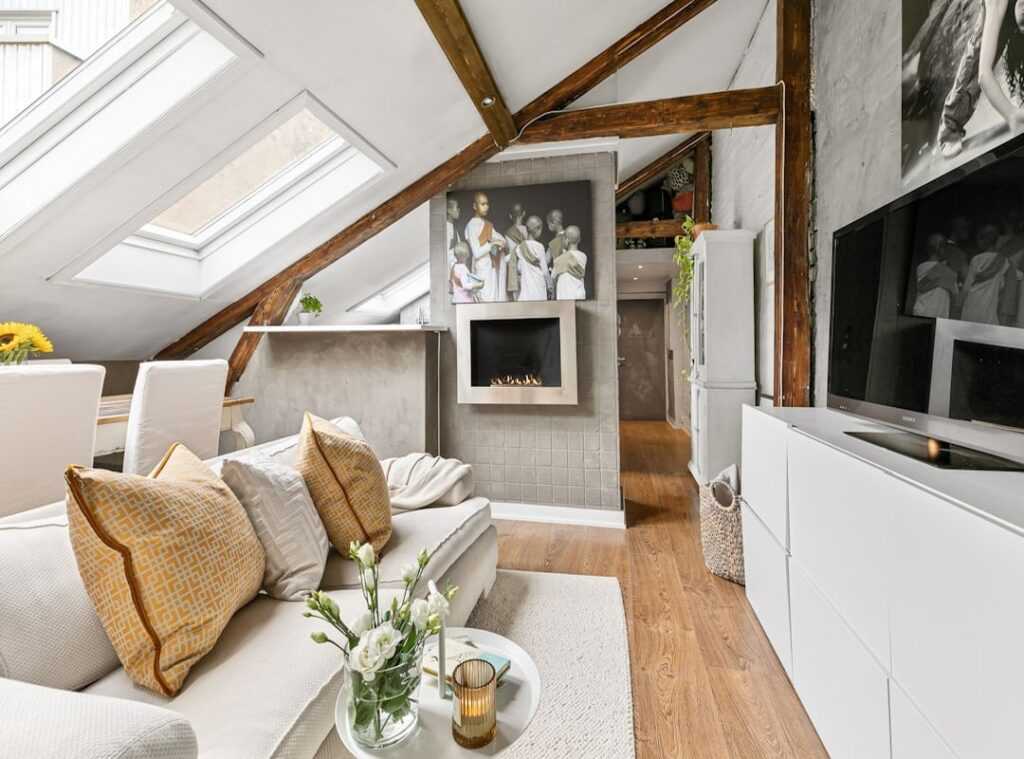
Next, verticality focuses on height rather than width. Think lofted beds, floor-to-ceiling storage, and double-height micro-spaces. By drawing the eye upward, ceilings suddenly become valuable real estate. Pro tip: install high shelving for seasonal items you don’t need every day.
Finally, transformable furniture brings it all together. Wall beds that fold into desks, expandable kitchen islands, and built-in seating with hidden storage turn single-purpose items into multitaskers. It may sound futuristic, but it’s simply smart engineering (and a little creativity) applied to everyday living.
Green Blueprints: Sustainability as an Urban Necessity
Cities now house over 56% of the world’s population, a figure projected to reach 68% by 2050 (United Nations). With density comes strain: higher energy use, concentrated pollution, and heat retention. In this context, sustainable design shifts from preference to obligation. Urban buildings account for nearly 40% of global energy-related carbon emissions (IEA), making smarter construction essential for public health and climate resilience.
Trend 1: Energy Efficiency
To begin with, passive design—an approach that reduces energy use through building orientation and material choices—has moved mainstream. Strategically placed windows maximize daylight and solar heat gain in winter while limiting summer overheating. High-performance insulation and airtight envelopes cut heating and cooling demand by up to 50%, according to the U.S. Department of Energy. Natural ventilation systems further reduce reliance on HVAC (which, let’s be honest, hums nonstop in most city towers).
Trend 2: Material Innovation
Meanwhile, builders increasingly favor reclaimed wood, recycled steel, and low-VOC materials. The World Green Building Council reports that using recycled steel can reduce embodied carbon by up to 60%. Locally sourced materials also lower transport emissions while supporting regional economies.
Trend 3: Integrated Greenery
Finally, green roofs and living walls manage stormwater and cool buildings. Studies show green roofs can reduce rooftop temperatures by 30–40°F (EPA). They also mitigate the urban heat island effect and improve air quality.
| Strategy | Proven Impact |
|---|---|
| Passive design | Up to 50% energy reduction |
| Recycled steel | 60% lower embodied carbon |
| Green roofs | 30–40°F surface cooling |
Skeptics argue costs are prohibitive. Yet lifecycle analyses consistently show long-term savings outweigh upfront expenses. For deeper data, explore sustainability in housing trends backed by research.
As urbanization and home design continue evolving, evidence makes one thing clear: sustainable blueprints aren’t trendy—they’re necessary.
Beyond Four Walls: Prioritizing Wellness and Community
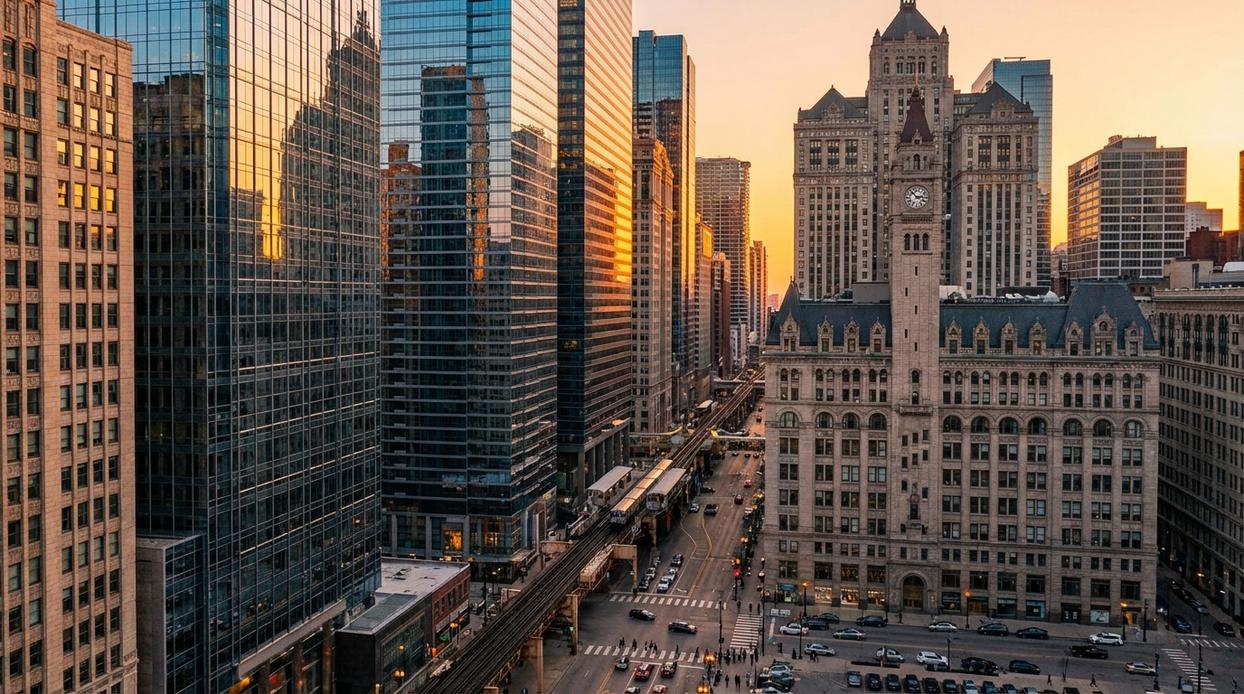
City living has its perks—walkability, culture, convenience—but dense environments can quietly tax our mental health. Studies link prolonged exposure to noise and overcrowding with elevated stress levels (American Psychological Association). Critics argue that wellness-focused architecture is a luxury add-on, not a necessity. But when anxiety and burnout become normalized, design stops being aesthetic and starts being preventative care.
Enter biophilic design—the practice of integrating natural elements into built spaces to improve well-being. Think floor-to-ceiling windows framing park views, interior courtyards that funnel daylight, and materials like wood and stone that echo the outdoors. These aren’t decorative flourishes; research shows natural light and greenery can improve mood and productivity (Harvard T.H. Chan School of Public Health). Pro tip: even positioning seating toward natural views can subtly reduce stress.
Yet nature alone isn’t enough. The real shift in urbanization and home design is toward intentional connection. Forward-thinking multi-family buildings now prioritize:
- Rooftop gardens for shared gatherings
- Flexible co-working lounges
- Fitness centers designed as social hubs
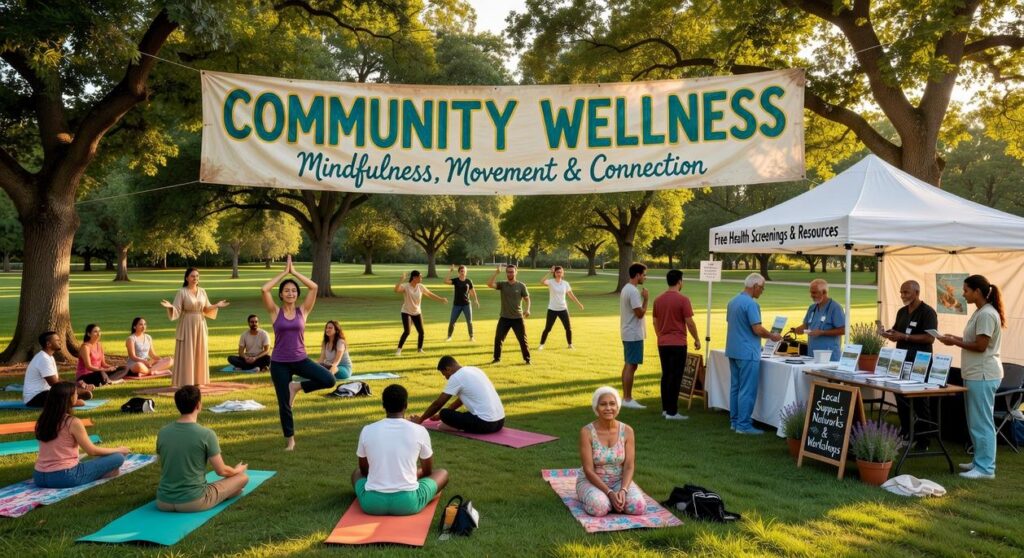
Some skeptics say residents don’t use communal areas. The gap? Programming. Spaces succeed when curated—community dinners, yoga classes, workshops (yes, people actually show up). For deeper design insights, explore thoughtful residential trends.
The Future of Urban Living: Smarter, More Adaptable Homes
Cities are growing fast—by 2050, nearly 68% of the world’s population is expected to live in urban areas (United Nations). As a result, urbanization and home design are becoming inseparable conversations. So what does that mean for your next apartment or renovation plan?
First, compact design, sustainability, and wellness are no longer separate trends. They’re converging. Smaller footprints encourage multi-functional spaces (think wall beds or fold-away desks), while sustainable materials like reclaimed wood and low-VOC paints improve indoor air quality. At the same time, natural light, biophilic elements (design features that connect you to nature), and better ventilation support mental and physical health. In other words, less space doesn’t have to mean less comfort.
Meanwhile, technology is shifting from gadget add-on to architectural backbone. Smart thermostats, automated shading, and energy-monitoring systems are now integrated during planning, not after move-in. This helps manage energy use, optimize tight layouts, and simplify daily routines. For example, motion-sensor lighting in narrow hallways saves electricity and reduces clutter from extra switches.
Looking ahead, the goal isn’t bigger homes—it’s better ones. Smarter layouts, greener systems, and human-centric features will define the residences that truly meet the demands of modern city life.
As urbanization continues to influence home design, homeowners are increasingly seeking inspiration from innovative outdoor spaces, making it the perfect time to explore delightful terrace decoration ideas, as discussed in our article “Terrace Decoration Decadgarden.
Bringing Your Space to Life with Purpose
You came here looking for clarity on how urbanization and home design influence the way you live every day. Now you can see how shifting city landscapes, evolving lifestyles, and thoughtful interiors all connect to create spaces that either support you — or work against you.
The real challenge isn’t finding inspiration. It’s knowing how to turn that inspiration into a home that feels functional, calming, and uniquely yours. When your space feels cluttered, outdated, or disconnected from your lifestyle, it adds stress to your daily routine.
The good news? You don’t have to settle for a home that doesn’t work for you. With the right guidance and practical insights, you can transform your space into one that reflects modern living while maximizing comfort and efficiency.
If you’re ready to stop feeling overwhelmed by design decisions and start creating a home that truly supports your life, explore our expert-backed insights today. Join thousands of readers who rely on our proven home strategies to simplify, style, and optimize their living spaces — and take the first step toward a smarter, more intentional home now.