

Rising energy costs and growing environmental concerns have turned household inefficiency into both a financial strain and an ethical challenge. If you’re looking for practical ways to cut utility bills and reduce waste, this guide delivers exactly that. We provide a clear, comprehensive roadmap to lowering your home’s energy consumption through proven strategies that work in real life. Inside, you’ll find actionable home energy efficiency tips you can implement today—ranging from simple, no-cost habit changes to smart long-term upgrades. Every recommendation is designed to help you create a more efficient, comfortable, and cost-effective living space.
Immediate Impact: Low-Cost and No-Cost Energy Savers
By implementing energy-efficient practices at home, you not only reduce your utility bills but also create a more comfortable and productive environment, setting the stage for the perfect morning routine space that enhances your day – for more details, check out our How to Design a Morning Routine Space That Boosts Productivity.
Want lower utility bills without buying fancy gadgets? Start with what you already have.
Master Your Thermostat
Programming your thermostat is the ultimate “set it and forget it” move. Aim for 68°F in winter and 78°F in summer when you’re home, adjusting a few degrees when you’re asleep or away. The U.S. Department of Energy notes that adjusting your thermostat 7–10°F for eight hours a day can save up to 10% annually on heating and cooling (energy.gov). A programmable thermostat automatically changes temperatures based on your schedule—no daily fiddling required.
Reverse Your Ceiling Fans
Ceiling fans don’t just cool; they redistribute air. In summer, set blades counter-clockwise to create a downdraft breeze. In winter, switch to clockwise at low speed to push warm air down from the ceiling. It’s a tiny switch with a noticeable comfort boost (and yes, it’s usually hiding near the motor housing).
Manage “Vampire Power”
Phantom load—also called vampire power—means electronics draw electricity even when off. Common culprits include chargers, TVs, and game consoles. Plug devices into a power strip so you can switch everything off at once. According to the Department of Energy, standby power can account for up to 10% of residential electricity use.
Optimize Your Water Heater
Lower your water heater to 120°F (49°C). This reduces energy use and helps prevent scalding while keeping showers comfortable.
Harness Natural Light & Shade
Open curtains on sunny winter days for warmth. Close blinds in summer to block heat. Simple? Yes. Effective? Absolutely.
These practical home energy efficiency tips deliver immediate savings—why not start today?
Strategic Upgrades: Investing in Smart Tech & Appliances
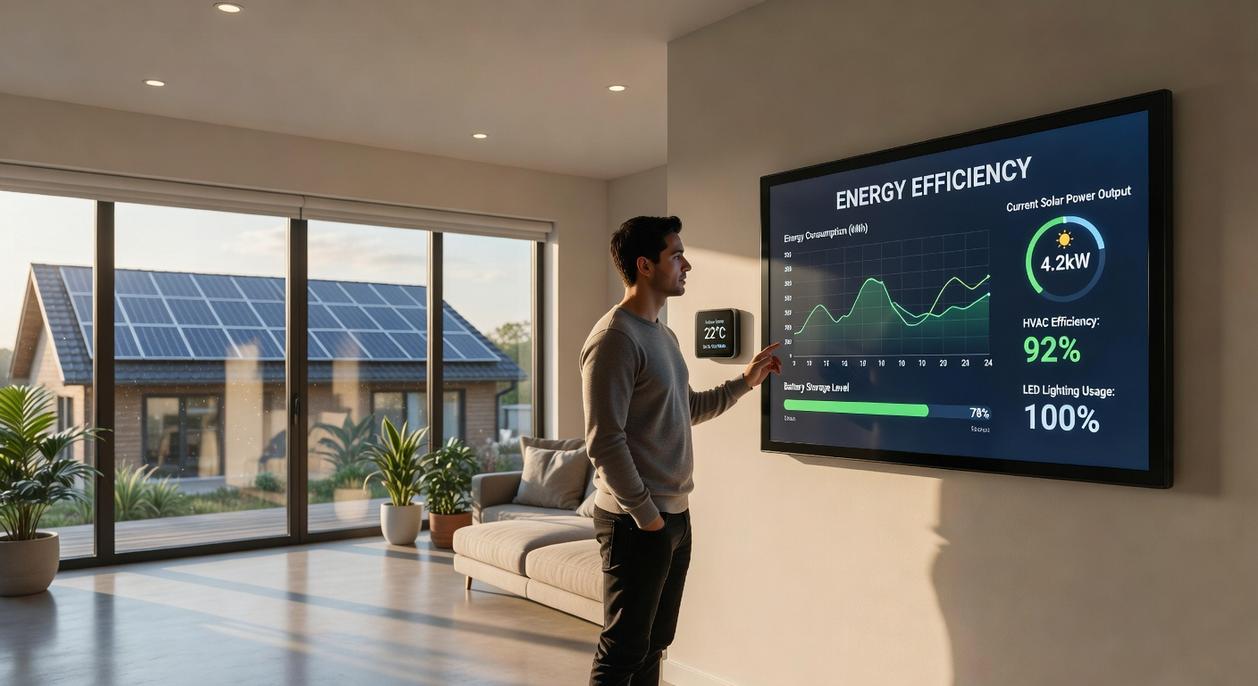
Upgrading your home isn’t just about sleek finishes—it’s about smart comparisons that pay off long term. Let’s break it down side by side.
1. The ENERGY STAR Standard: Certified vs. Conventional
ENERGY STAR is a government-backed certification indicating an appliance meets strict energy-efficiency guidelines set by the U.S. Environmental Protection Agency (EPA.gov). In practical terms, an ENERGY STAR refrigerator uses about 15% less energy than non-certified models. That translates to lower utility bills year after year (and fewer guilt pangs when you grab a midnight snack). While standard appliances may cost less upfront, certified models typically deliver guaranteed long-term savings through reduced consumption and rebates.
2. The LED Lighting Revolution: LED vs. Incandescent vs. CFL
Incandescent bulbs are cheap but short-lived (around 1,000 hours). CFLs last longer, yet contain trace mercury. LEDs, by comparison, can last 15,000–25,000 hours and use up to 75% less energy (Energy.gov). Over time, LEDs win on cost-effectiveness and durability. When choosing bulbs, look for color temperature: 2700K–3000K for warm, cozy light; 4000K+ for crisp task lighting. Pro tip: Match color temperature room by room to avoid that “hospital hallway” effect.
3. Smart Home Integration: Manual vs. Automated
Traditional thermostats require constant adjustments. Smart thermostats like Nest or Ecobee learn your habits and optimize heating and cooling automatically, potentially saving 10–15% annually (Energy Star). Meanwhile, smart plugs cut power to “vampire” devices—electronics that draw electricity even when off.
4. High-Efficiency HVAC: Old Ratings vs. Modern Metrics
When upgrading HVAC, compare SEER (Seasonal Energy Efficiency Ratio) for cooling and AFUE (Annual Fuel Utilization Efficiency) for heating. Modern systems can reduce heating and cooling costs by 20–40%. If you’re collecting home energy efficiency tips, this is the heavy hitter.
Ultimately, smart upgrades outperform standard options where it counts: comfort, cost, and control.
Seal the Envelope: The Ultimate Defense Against Energy Waste
If your home feels drafty, the culprit is often hidden air leaks. Start with a DIY energy audit. On a windy day, hold an incense stick near windows, doors, electrical outlets, and attic hatches. If the smoke wavers, you’ve found a leak. You can also try the “dollar bill test”: close a bill in the door—if it slides out easily, the seal isn’t tight. I’ll admit, this won’t catch everything (professional audits use blower doors and thermal cameras), but it’s a practical first step.
Next comes sealing. Weatherstripping is a flexible material that seals movable parts like doors and windows. Caulking is a waterproof filler used for stationary gaps and cracks. First, clean and dry the area. Then measure, cut, and press weatherstripping into place along door frames. For caulk, load the tube into a caulk gun, apply a steady bead along cracks, and smooth it with a damp finger. It’s simple—just not always glamorous (home improvement rarely is).
Insulation acts as your home’s thermal blanket. Its effectiveness is measured by R-value, which indicates resistance to heat flow. Colder climates typically require attic insulation rated R-38 to R-60, while warmer zones may need less (Energy.gov). I can’t promise one-size-fits-all guidance—climate and home age matter—but upgrading attic insulation often delivers noticeable savings.
Finally, don’t overlook windows. Double-pane models reduce heat transfer, while budget-friendly window insulation film helps renters. Combined, these home energy efficiency tips can make a measurable difference.
For broader layout strategies that reduce wasted space and airflow inefficiencies, explore creating multi functional rooms for flexible living.
Seasonal Strategies for Year-Round Savings
Smart homeowners know energy bills aren’t random—they’re seasonal. A proactive plan beats reactive scrambling (especially when the first heatwave hits).
Summer Efficiency Plan centers on reducing heat gain. Grill outdoors instead of using the oven, run appliances at night when demand is lower, and keep AC filters clean for maximum airflow. These small shifts reduce strain on your system and may lower cooling costs by up to 15%, according to the U.S. Department of Energy. Speculation: As smart thermostats become standard, automated off-peak scheduling could soon make this effortless.
Winter Preparedness Checklist focuses on retaining heat. Insulate hot water pipes, use draft stoppers under doors, and ensure fireplace dampers are closed when not in use. Heat loss through drafts can account for 25–30% of residential energy waste (Energy.gov).
- Schedule bi-annual HVAC check-ups
- Clean refrigerator coils
- Clear dryer vents regularly
Routine upkeep keeps systems efficient year-round. Expect future home energy efficiency tips to lean heavily on AI-driven diagnostics and predictive maintenance.
A More Efficient Home is a More Enjoyable Home
You came here looking for practical ways to cut costs and boost comfort—and now you have a complete toolkit to make it happen. From simple daily habits to impactful upgrades, these home energy efficiency tips put you back in control of your space.
High energy bills don’t have to drain your budget month after month. Every draft sealed, every light optimized, and every smart adjustment you make reduces waste and increases comfort. The power to lower your expenses is already in your hands.
Start today. Pick one no-cost change and implement it before the day ends. Small, consistent steps lead to massive long-term savings—so take action now and begin transforming your home into the efficient, comfortable space you deserve.