If you’re exploring double-height living rooms, you’re likely looking for more than just dramatic ceilings—you want to understand how they work, why they’re so appealing, and whether they’re right for your home. These expansive spaces promise natural light, visual impact, and a sense of openness that standard layouts simply can’t match. But they also come with design considerations that can make or break the final result.
In this article, we’ll break down what defines a double-height living room, the key benefits and potential challenges, and practical styling strategies to make the most of the vertical space. From lighting and acoustics to furniture scaling and energy efficiency, you’ll get clear, actionable insights to guide your decisions.
Our guidance is grounded in extensive research on interior design principles, spatial planning strategies, and real-world layout solutions—so you can move forward with confidence and clarity.
Embracing Grandeur: A Guide to High-Ceiling Living
When creating a breathtaking double-height living room, it’s essential to consider how the design harmonizes with zoning and layout planning, as these elements play a crucial role in shaping everyday home life – for more details, check out our How Zoning and Layout Planning Shape Everyday Home Life.
I once moved into a loft with ceilings so tall my voice echoed (like a low-budget opera rehearsal). At first, the space felt cavernous and cold. High ceilings—meaning walls that extend significantly above the standard eight to nine feet—can intimidate.
In double-height living rooms, scale is everything.
Layer light (ambient, task, accent) to soften shadows.
Anchor furniture with oversized art or shelving.
Use warm tones to visually lower height.
Some argue tall rooms are impractical to heat or decorate. Fair. But with vertical balance and texture, they become breathtaking sanctuaries for everyday living.
The Psychology of Space: Why We Crave Verticality
The Feeling of Freedom
There’s a reason cathedrals, libraries, and even superhero headquarters stretch upward. Vertical space taps into something deeply human: the desire for freedom. Psychologists have linked higher ceilings to more abstract and creative thinking, while lower ceilings encourage detail-focused tasks (Meyers-Levy & Zhu, 2007). In simple terms, when the ceiling rises, so can your ideas. Critics argue that ceiling height doesn’t meaningfully affect mood—comfort and décor matter more, they say. Fair point. But spatial perception subtly shapes cognition, often without us noticing (like background music you swear isn’t influencing you).
An Air of Luxury
Height has long symbolized status—think penthouses and grand halls. Taller rooms feel prestigious because they require more materials and structural planning, signaling investment and permanence. Some claim this is purely cultural conditioning. Yet across civilizations, monumental architecture consistently reaches upward, suggesting a near-universal association between height and importance.
The Power of Natural Light
Taller walls allow larger windows, increasing daylight exposure, which studies connect to improved mood and productivity (Harvard T.H. Chan School of Public Health, 2018). Natural light also expands perceived space—no optical illusion required.
Architectural Potential
With double-height living rooms, designers can incorporate exposed beams, statement chandeliers, or dramatic fireplaces. While skeptics warn about heating costs, the visual payoff—and emotional lift—often outweighs the trade-offs.
Mastering the Vertical Canvas: Styling Strategies for Tall Walls
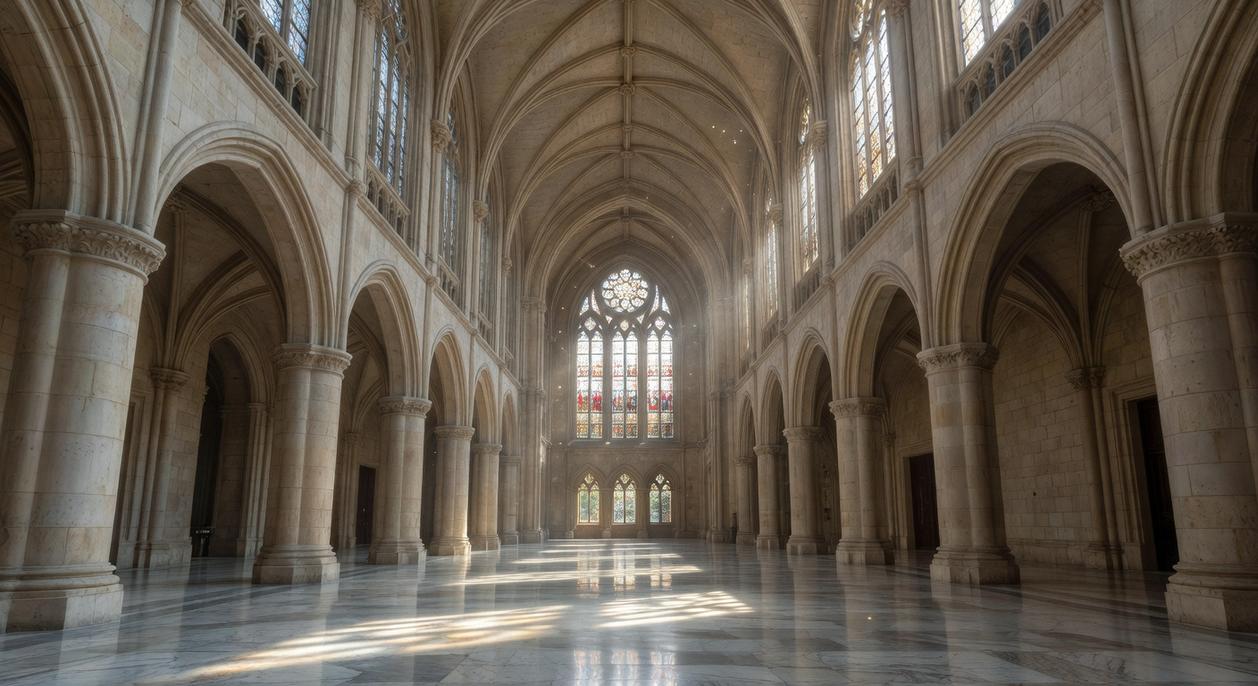
Tall walls can feel majestic—or maddening. I’ve walked into spaces where the height felt inspiring, and others where it felt like living inside an empty warehouse (great for acoustics, not so great for coziness). The difference usually comes down to strategy.
Lighting as Jewelry
Lighting shouldn’t just exist; it should adorn the room. Designers often talk about the three layers of light: ambient (overall illumination), task (focused light for activities), and accent (decorative highlights). In tall spaces, especially double-height living rooms, a statement chandelier or multi-pendant system acts like a bold necklace—it fills vertical space and pulls the eye upward.
Some argue recessed lighting is cleaner and less distracting. I disagree. Recessed lights alone flatten drama. A sculptural fixture adds personality and proportion (and yes, a little wow factor never hurts).
Strategic Color Palettes
Color is your scale manager. Lighter hues amplify airiness, making tall walls feel even more expansive. But if a room feels cavernous, painting the ceiling a darker tone visually lowers it, creating intimacy. A floor-to-ceiling accent wall—whether in a saturated shade or textured finish—anchors the height with intention.
Critics say bold vertical color blocks overwhelm. I’ve found the opposite: when thoughtfully chosen, they ground the room rather than dwarf it.
Dramatic Window Treatments
Mount curtain rods just below the ceiling and let drapes fall all the way to the floor. This elongates the visual line and enhances elegance. Hanging them midway is, in my opinion, a missed opportunity (like wearing high-water pants to a gala).
Wall Decor That Works
Small, isolated art pieces tend to look adrift. Opt for oversized artwork, vertically stacked gallery walls, or tall mirrors that reflect light and add depth. Textural finishes—wood paneling, limewash—bring warmth to vertical expanses.
For more inspiration on balancing scale and nature, explore the art of blending nature with monumental residential design.
Furnishing with Purpose: Grounding Your Grand Space
The Importance of Scale
Large rooms demand furniture with presence. When standard-sized sofas and petite coffee tables sit inside expansive layouts, they often appear visually diminished (think apartment loveseat in a ballroom). Designers frequently note that underscaled pieces disrupt proportion, one of the core principles of interior design. In fact, scale and proportion consistently rank among the top factors influencing perceived comfort in residential spaces, according to industry surveys by the American Society of Interior Designers (ASID).
Instead, choose sofas with higher backs, substantial coffee tables, and tall bookcases or armoires. These pieces hold visual weight, preventing the room from feeling sparse. In double-height living rooms, this becomes even more critical, as vertical volume amplifies imbalance.
Creating Intimate Zones
However, size alone isn’t enough. To make a large room feel welcoming, zoning is essential. Research in environmental psychology shows defined areas encourage social interaction and relaxation (Journal of Environmental Psychology, 2015). Use area rugs and thoughtful furniture groupings to carve out conversation corners, reading nooks, or media hubs.
| Zone Type | Key Elements | Purpose |
|---|---|---|
| Conversation | Sofa + chairs + rug |
Encourages dialogue |
| Reading Nook | Armchair + lamp + side table | Promotes quiet retreat |
| Media Area | Sectional + console + large rug | Anchors entertainment focus |
The Role of a Great Rug
A rug should be large enough that at least the front legs of all furniture rest on it. This anchors pieces and prevents that awkward “floating” effect.
Incorporate Vertical Elements
Finally, draw the eye upward. Tall floor lamps, towering plants like a Fiddle Leaf Fig, or floor-to-ceiling shelving visually connect floor and ceiling, creating cohesion and balance.
Your Blueprint for a Breathtaking Living Area
You now have the strategy. The real win? Applying it with intention.
Large, open spaces—especially double-height living rooms—often feel impressive but oddly hollow. That “empty echo chamber” effect happens when scale and warmth aren’t balanced. The fix isn’t filling the room with more stuff (tempting, but no). It’s making deliberate design moves that restore human proportion.
Focus on four essentials:
- Layered lighting (ambient, task, and accent) to soften shadows and reduce harsh echoes
- Vertical elements like tall drapes or bookcases to visually anchor height
- Properly scaled furniture that holds its own without looking dwarfed
- Defined zones using rugs or seating clusters to create intimacy
Start small but impactful. Choose one anchor piece—a bold chandelier or an oversized area rug—and build outward.
Pro tip: When in doubt, go slightly larger than feels safe; undersized pieces exaggerate emptiness.
Balance height with warmth, and your grand space transforms into a monumental home.
Elevate Your Space With Confidence
You came here looking for clarity and inspiration on how to make the most of double-height living rooms—and now you have a clear vision of how to design, style, and optimize them for everyday living. From maximizing natural light to choosing statement lighting and balancing vertical space, you’re equipped to transform what once felt overwhelming into a breathtaking focal point.
The real challenge with double-height living rooms isn’t the space itself—it’s knowing how to make it feel intentional instead of empty, cohesive instead of cavernous. When designed thoughtfully, these rooms become the heart of the home: grand yet welcoming, dramatic yet livable.
Now it’s time to take action. Start by evaluating your vertical space, selecting one defining feature—whether it’s lighting, artwork, or architectural detail—and build your design upward with purpose. If you’re ready for step-by-step guidance, curated inspiration, and practical solutions trusted by thousands of home enthusiasts, explore more expert-backed insights today and turn your towering space into your home’s most unforgettable feature.