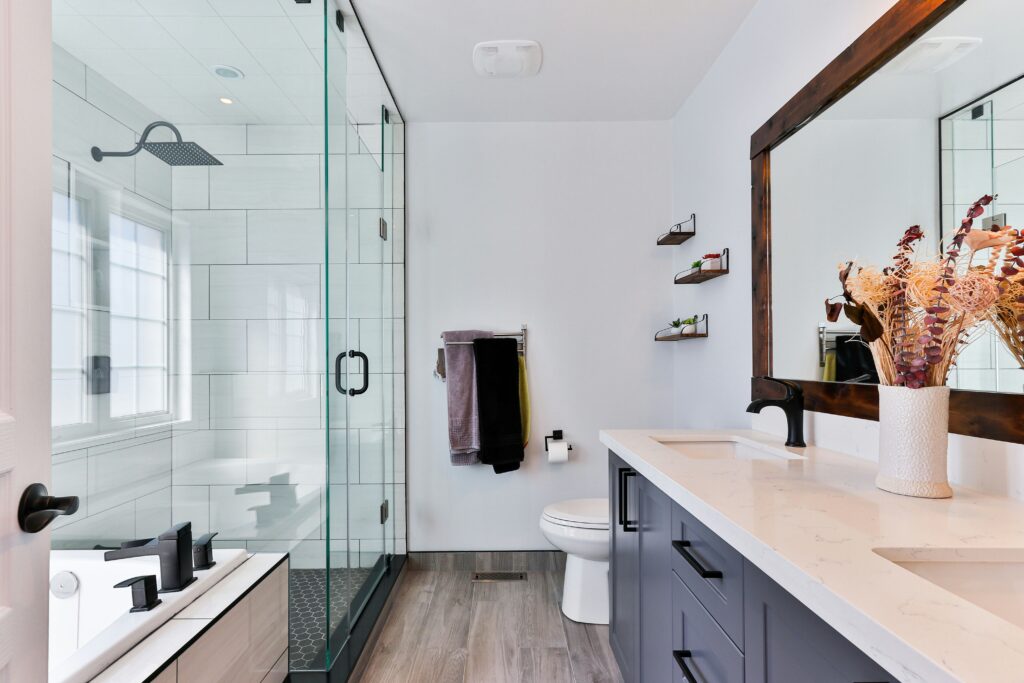
Creating a home that feels both beautiful and functional starts with understanding the essentials of comfortable living foundations. If you’re here, you’re likely looking for practical guidance—ideas you can actually use to design a space that supports your daily routines, reflects your personality, and makes coming home the best part of your day.
This article is designed to give you exactly that. We’ll break down the core elements that shape a well-balanced home, from layout and lighting to texture, organization, and flow. Rather than chasing trends, we focus on timeless principles and proven interior strategies that enhance comfort, efficiency, and visual harmony.
Our insights are grounded in established design principles, real-world applications, and careful research into how living environments influence mood and productivity. By the end, you’ll have a clearer understanding of how to transform any space—large or small—into a home that truly works for you.
Beyond the Sofa: Crafting Your Personal Sanctuary
A home in Seattle’s rain-soaked winters or Phoenix’s sun-blasted summers demands more than trendy furniture. It requires comfortable living foundations rooted in space, light, texture, and order. Many stylish rooms feel like boutique hotels—impressive, yet impersonal. The fix is intentional layering:
- Space: Prioritize clear walkways and breathable layouts (think Brooklyn brownstone proportions).
- Light: Use sheer curtains in coastal climates; warmer LEDs in Chicago lofts.
- Texture: Mix linen, oak, and wool for tactile calm.
- Order: Hidden storage keeps visual noise low (Marie Kondo wasn’t wrong).
Pro tip: Edit ruthlessly; every item should earn place.
The Architecture of Calm: Mastering Space and Flow
Defining Negative Space
First, let’s clarify negative space—the intentionally empty areas around furniture and décor. It isn’t “wasted” space; it’s visual breathing room. Think of it like pauses in music: without them, everything feels like noise. For example, leaving a few feet clear around a sofa instantly makes a living room feel lighter and more open. In other words, emptiness creates balance (yes, doing less really can achieve more).
Creating Clear Pathways
Next, focus on movement. Walk through your room and notice friction points—do you bump into a coffee table or sidestep a chair? Arrange furniture to allow at least 30–36 inches for main walkways. Float sofas away from doorways and angle chairs to guide traffic naturally. As a result, daily routines feel smoother and less stressful.
The Zoning Technique
In open spaces, create functional “zones.” Use rugs to anchor a conversation area, a floor lamp and armchair for a reading nook, or a console table to subtly divide areas. Lighting shifts mood and purpose instantly. This layered approach builds comfortable living foundations without adding walls.
Scale and Proportion
Finally, match furniture to room size. Oversized sectionals overwhelm small rooms, while tiny pieces look adrift in large ones. Measure before buying—pro tip: outline dimensions with painter’s tape to preview fit.
Harnessing Light: The Mood-Setting Power of Illumination
Lighting can feel complicated, but it really comes down to understanding a few core ideas. Think of it as building comfortable living foundations—without the right light, even the best-designed room falls flat.
The Three Layers of Lighting
Interior designers often talk about layers. This simply means combining three types of light so a room feels balanced, not harsh or gloomy:
- Ambient lighting – the main, overall glow (like ceiling fixtures).
- Task lighting – focused light for activities such as reading or cooking.
- Accent lighting – dramatic highlights that draw attention to art or architectural features.
Some argue one bright ceiling light is enough. Technically, it works. But it creates shadows and eye strain (ever feel like you’re under interrogation?). Layering prevents that.
Maximizing Natural Light
Natural light boosts mood and productivity (Harvard Health notes daylight supports circadian rhythms). Use sheer curtains, mirrors opposite windows, and light-colored walls to amplify sunlight.
Color Temperature Matters
Warm light (2700–3000K) feels cozy—ideal for bedrooms. Cool light (4000K+) feels energizing—great for kitchens or offices.
The Importance of Dimmers
Dimmers let you adjust intensity throughout the day. Pro tip: install them in living rooms and dining areas for instant atmosphere shifts.
For deeper structural context, explore this beginners guide to structural elements in residential homes.
The Tactile Home: Building Comfort Through Texture
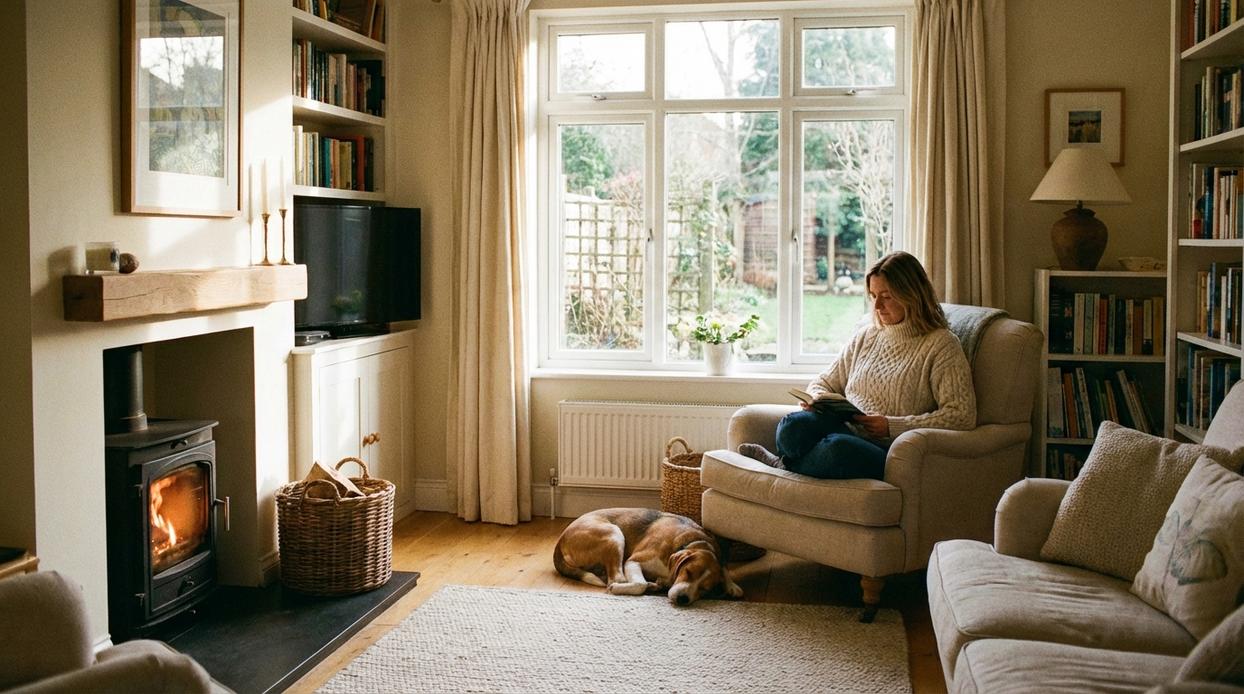
Texture isn’t just a design detail—it’s a psychological cue. In fact, studies in environmental psychology show that tactile variety can increase feelings of warmth and relaxation in a space (Journal of Environmental Psychology). In other words, when a room feels layered, it also feels welcoming. That’s why texture forms part of strong comfortable living foundations.
Layering for Richness
To create depth, follow a simple formula. First, combine soft textures like velvet or wool with rough elements such as linen or jute. Then, balance them with smooth finishes like leather or metal. Finally, anchor the look with natural materials—think wood or stone. Together, these layers prevent a room from feeling flat (because no one wants their living room to feel like a waiting area).
For example, drape a chunky knit throw over a sleek leather sofa. Or place a woven basket on a polished marble countertop. The contrast is what makes it interesting.
Beyond fabric, remember texture lives everywhere. Consider limewashed walls, patterned wallpaper, plush rugs, or even leafy plants. If you’re exploring more home design inspirations, notice how often texture leads the story.
Pro tip: When in doubt, add one tactile piece per room—it’s usually enough to shift the entire mood.
Systematic Serenity: The Role of Intelligent Organization
Clutter and the Mind
First, let’s address the science. A 2010 UCLA study found that individuals living in cluttered homes had elevated cortisol levels—the primary stress hormone—throughout the day (Saxbe & Repetti, 2010). In other words, visual chaos can quietly fuel mental fatigue and anxiety. Researchers at Princeton University also discovered that physical clutter competes for your attention, reducing focus and productivity. So when your kitchen counter is overflowing, your brain is, too. (Yes, even that innocent stack of mail.)
“A Home for Everything”
This leads to a foundational principle: every item needs a designated, logical storage spot. Think of it as giving your belongings a permanent address. When keys always live in a tray by the door, decision fatigue disappears. Over time, this simple system builds comfortable living foundations that support calm and efficiency.
Visible vs. Hidden Storage
However, not all storage should look the same. Use visible storage—like floating shelves—for curated books or ceramics. Meanwhile, rely on hidden storage—ottomans, cabinets, baskets—for daily-use clutter. Studies show organized, aesthetically pleasing spaces can boost mood and perceived control (Journal of Environmental Psychology, 2014).
The “One-In, One-Out” Rule
Finally, adopt the “one-in, one-out” rule: for every new item, remove one. This habit prevents accumulation before it starts. Over time, maintenance becomes effortless rather than overwhelming.
Bringing It All Together: Your Blueprint for a Better Home
You now have the comfortable living foundations for a home that feels supportive, not just styled. By refining space (how furniture flows), light (natural versus 2700K warm bulbs), texture (linen, wood, wool), and order (surfaces, labeled storage), you solve the nagging sense that something is off. Moreover, these features aren’t cosmetic; they influence mood, focus, and rest. Comfort isn’t a finish line—it’s iterative. As seasons, routines, and budgets shift, adjust one variable at a time. This week, start small: declutter one surface or upgrade a lamp and notice instant lift.
Bring Comfort and Function Together in Every Room
You came here looking for practical ways to elevate your home and create a space that truly supports your daily life. Now you understand how thoughtful design choices, smart organization, and intentional styling work together to build comfortable living foundations that make every room feel purposeful and inviting.
A home that feels cluttered, uninspired, or inefficient can quietly drain your energy. The right layout, textures, lighting, and storage solutions don’t just improve aesthetics—they restore balance and make everyday routines smoother.
Now it’s time to take action. Start by identifying one space that feels off and apply the principles you’ve learned—simplify, refine, and optimize. If you want expert-backed ideas trusted by thousands of homeowners seeking smarter, more stylish living solutions, explore more of our proven home strategies today. Your more comfortable, functional home starts with the next step you take.