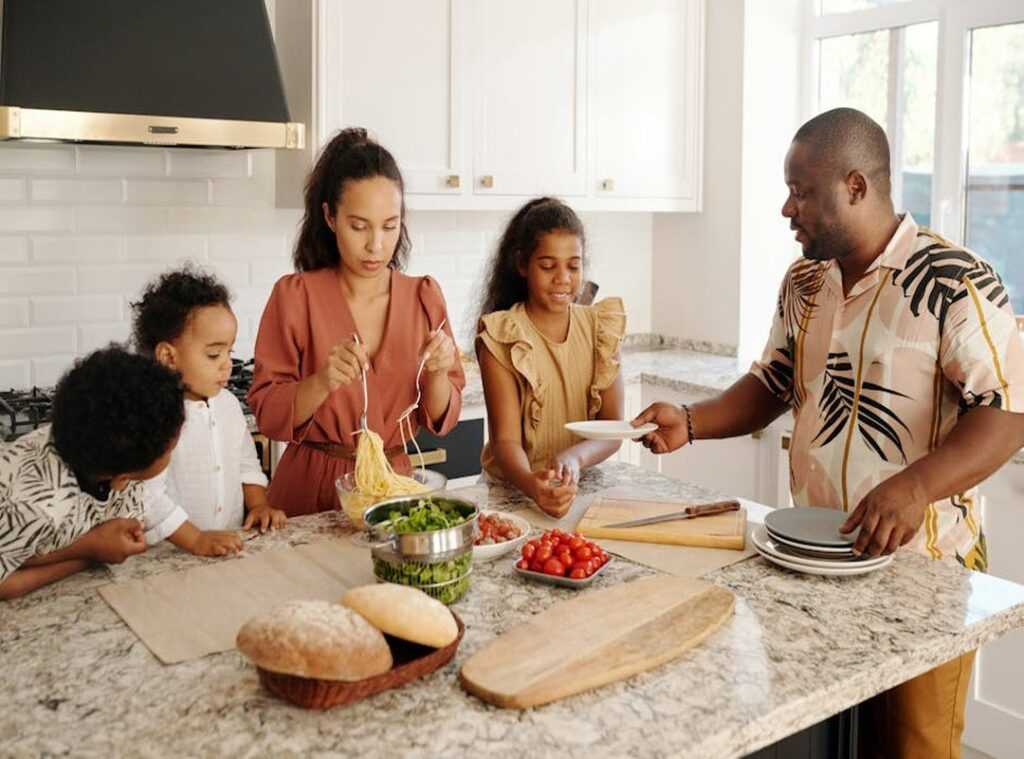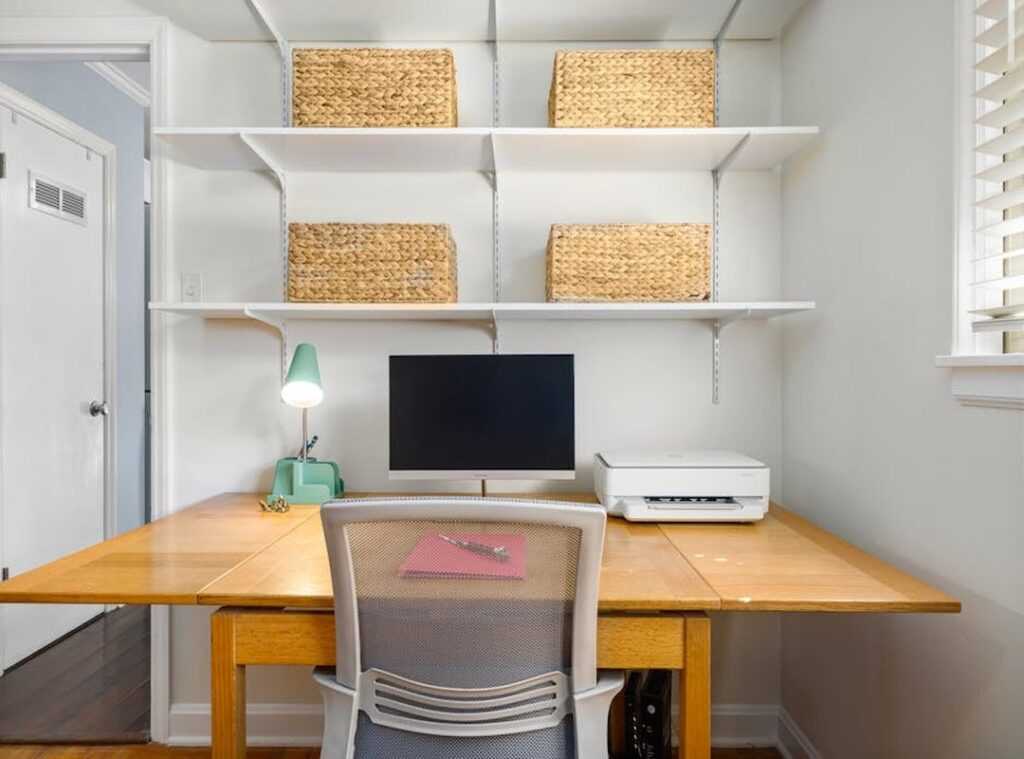

Designing a home that feels both stylish and truly livable has never been more important. In a world overflowing with inspiration and ever-changing aesthetics, it’s easy to get swept up in trends that look stunning online but fall short in everyday life. This guide cuts through the noise to spotlight today’s most popular and practical home design ideas—concepts that elevate comfort, function, and visual appeal in equal measure. Drawing on insights from interior styling experts, we focus on ideas with real staying power. You’ll gain clear, actionable inspiration to transform your space into a home that feels beautifully reimagined and built for the way you live.
The Art of “Quiet Luxury”: Understated Elegance and Natural Materials
Quiet Luxury is a design philosophy that prioritizes craftsmanship, longevity, and tactile richness over obvious logos or trend-chasing. Instead of statement pieces that scream for attention, it favors subtle excellence (the kind you notice when you sit down, not when you scroll past). According to a 2023 Pinterest Predicts report, searches for “minimalist luxury living room” rose over 145%, signaling a measurable shift toward refined, understated interiors.
The Color Palette
The aesthetic leans into warm, grounded tones—mushroom, terracotta, deep olive, and creamy off-whites—rather than stark gallery whites. These hues echo nature, which research in environmental psychology links to lower stress levels and improved well-being (Journal of Environmental Psychology, 2019). The result feels lived-in, not staged.
Material Focus
Natural materials anchor the look. Think linen curtains, wool rugs, unpolished marble, travertine, and light woods like oak and ash. These materials age gracefully, developing character over time. A 2022 Houzz survey found that 67% of homeowners prioritized durable, natural finishes in renovations—proof that longevity now rivals aesthetics.
How to Implement
- Invest in one impeccably made piece (a solid oak dining table, for example).
- Layer textures: a boucle chair on a jute rug adds dimension.
- Declutter ruthlessly so quality shines.
Some argue this is just rebranded minimalism. But unlike sparse design, Quiet Luxury embraces warmth and depth—aligning with viral home design concepts while remaining timeless.
Biophilic Design: Weaving Nature into Your Living Spaces
Biophilic design is more than just adding a few houseplants and calling it a day. At its core, it’s a holistic approach to design that connects your home to the natural world to improve well-being. Biophilia literally means “love of life,” and in design, it refers to shaping spaces that mirror nature’s patterns, materials, and light. The payoff? Lower stress, improved focus, and even better sleep (yes, your home can do that).
To begin with, maximize natural light. Sheer window treatments soften sunlight without blocking it, creating a bright, calming atmosphere. Studies show exposure to natural light supports mood and productivity (Harvard Health). Next, incorporate natural materials like wood, stone, linen, and rattan. These tactile elements ground a space and make it feel authentic rather than manufactured.
Bringing greenery in is where things get fun. Create a “green wall” for dramatic impact, hang planters to draw the eye upward, or anchor a room with a bold Fiddle Leaf Fig. Beyond aesthetics, plants can improve indoor air quality (NASA Clean Air Study).
Equally important are organic shapes. Curvilinear furniture—think rounded sofas, oval tables, and arched doorways—echoes forms found in nature, making rooms feel softer and more inviting.
In a world obsessed with viral home design concepts, biophilic design stands out because it doesn’t just look good—it makes you feel good. And that’s a trend worth keeping.
Modern Nostalgia: Blending Vintage Charm with Contemporary Style
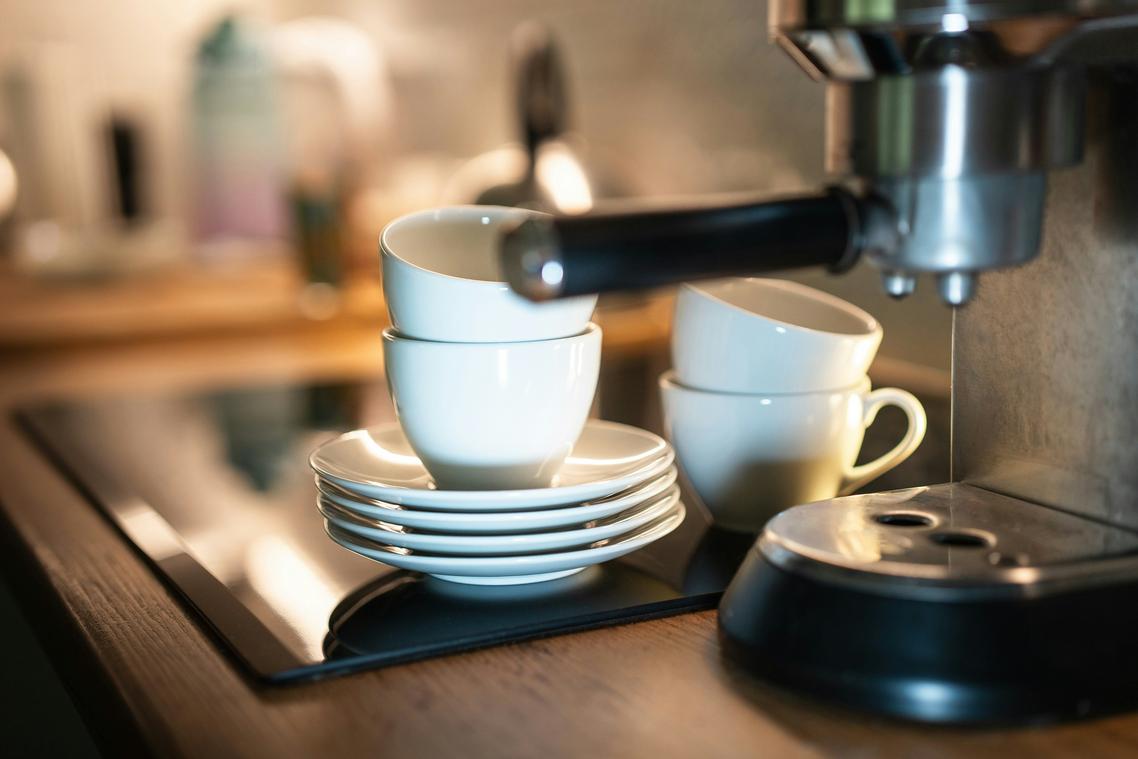
The first time I mixed my grandmother’s antique chest with a brand-new minimalist console, I hesitated. Would it clash? Instead, it became the most complimented corner of my home. That’s the heart of Newstalgia—a curated blend of past and present that gives a space SOUL. Newstalgia isn’t tied to one era; it’s the intentional layering of meaningful pieces with modern design.
Achieving the Balance
Contrast is everything. A sleek, modern dining table paired with weathered vintage chairs creates visual tension (the good kind). An ornate mirror in a pared-back entryway becomes a focal point instead of background noise. Some argue mixing styles feels chaotic. I used to think that too. But thoughtfully combining opposites actually feels more authentic—like your home evolved naturally, not overnight.
- Anchor the room with a clean-lined base.
- Add one statement vintage piece.
- Repeat a material or color to tie it together.
Pattern and Color Play
Classic checks and stripes are back, but in contemporary colorways. Think a checkered backsplash in a matte sage kitchen or bold striped upholstery in muted clay tones. It nods to tradition without feeling dated (no grandma’s wallpaper overload).
Sourcing and Styling Tips
Flea markets, estate sales, and online marketplaces are treasure troves. Pro tip: look for solid wood construction and unique hardware. Style pieces with breathing room so the space feels collected, not cluttered. For more inspiration, explore monthly spotlight game changing ideas in residential design. Even viral home design concepts often circle back to this timeless mix.
The Fluid Home: Prioritizing Functionality and Adaptable Spaces
Step into a well-designed fluid home and you can feel it instantly. The air seems lighter, the layout intuitive, every corner quietly working harder than it looks. Today’s households demand Multi-Functional Living—spaces that shift from focused workdays to cozy movie nights without missing a beat. It’s about making every square foot count (yes, even that awkward nook by the window).
Smarter Furniture makes this possible. Modular sofas slide and snap into new shapes with a soft thud, expandable dining tables glide open for last-minute guests, and storage ottomans swallow blankets and remotes, leaving the room visually calm. Some argue that adaptable furniture feels temporary or less luxurious. But when materials are plush to the touch and mechanisms move smoothly, flexibility feels intentional—not improvised.
Creating distinct areas within open layouts doesn’t require new walls. Instead, try:
- Anchoring spaces with textured area rugs underfoot.
- Positioning sofas or bookshelves to subtly guide movement.
- Layering warm pendant lights over dining areas and softer lamps near lounge zones.
Seamless Tech Integration completes the experience. Smart lighting adjusts with a quiet tap on your phone, speakers blend into gallery walls, and charging stations hide inside drawers. While some say tech disrupts ambiance, thoughtful integration proves otherwise—proof that viral home design concepts can be both beautiful and brilliantly practical.
Crafting a Space That is Uniquely Yours
You came here looking for clarity and inspiration, and now you have a blueprint—from the earthy calm of biophilic design to the character-rich charm of modern nostalgia. The real challenge isn’t chasing every trend; it’s choosing what truly reflects your lifestyle and taste. A beautiful home isn’t built on popularity—it’s built on personality. Use these ideas as your creative toolbox, mixing and matching until your space feels authentically yours. Don’t let indecision keep your home feeling unfinished. Start with one room or even one corner today. Take the first step and transform your house into a space you’re proud to live in.