
I’ve seen too many people start renovations with excitement and end up sitting in half-finished rooms wondering where it all went wrong.
You’re probably here because you want to renovate but you’re scared of the horror stories. The budget that doubles. The contractor who disappears. The three-month project that takes a year.
Here’s what I know: most renovation disasters start the same way. People skip the planning part and jump straight to demo day.
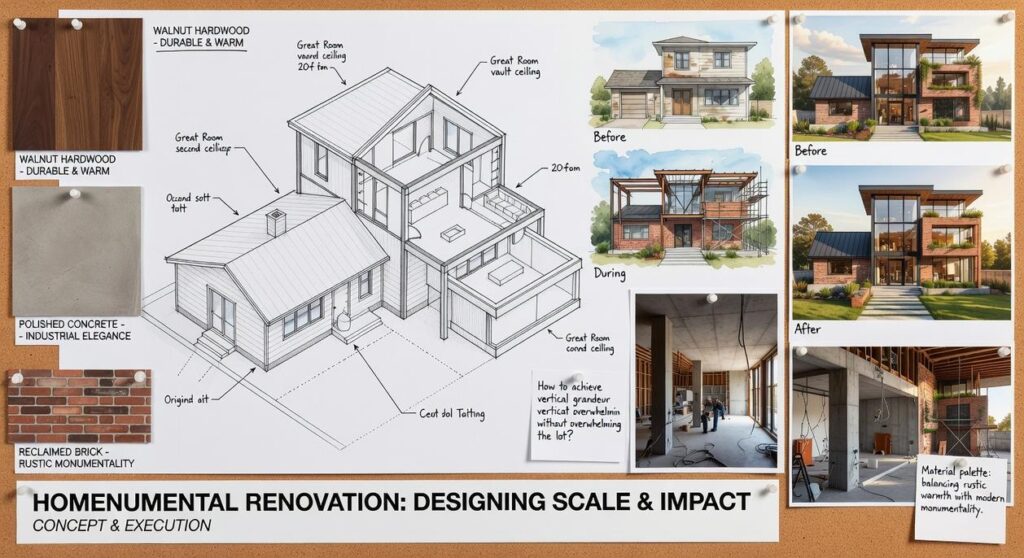
How to design home renovation Homenumental starts with a plan that actually works. Not the kind you scribble on a napkin. A real blueprint that keeps you on track when things get messy (and they will).
I’ve watched hundreds of renovations unfold. The successful ones all had something in common. They followed a clear process from start to finish.
This guide walks you through that exact process. You’ll learn how to plan every detail before you touch a single wall. How to pick contractors who show up. How to manage your budget so it doesn’t explode halfway through.
We’re covering everything from your first inspiration photos to the day you walk through your finished space.
No fluff. Just the steps that separate dream renovations from total disasters.
Phase 1: Defining Your Vision and Scope
Most people start a renovation by scrolling through Pinterest for three hours.
Then they wonder why their project feels scattered.
Here’s what I do instead.
Clarify Your ‘Why’
Move past the pretty pictures. What’s actually broken in your space right now?
Maybe your kitchen has zero counter space and you’re tired of chopping vegetables on a cutting board balanced over the sink. Or your living room layout makes conversation awkward because everyone’s staring at different walls.
Write down the problems. Real ones.
Gather Inspiration with Purpose
Sure, create that mood board. But then look at what you’ve collected.
What keeps showing up? If every image has warm wood tones and clean lines, that’s telling you something. If you keep saving spaces with lots of natural light and minimal clutter, you’ve found your direction.
This is how to design home renovation homenumental projects that actually reflect what you want (not just what looked good on someone else’s feed).
Establish Priorities
This step saves you thousands.
Make two lists. Must-haves go on one. Nice-to-haves go on the other.
Be ruthless here. New countertops might be a must-have if yours are cracked and stained. That wine fridge? Probably nice-to-have territory.
When budget gets tight later, you’ll thank yourself for doing this now.
Measure and Sketch
Grab a tape measure and sketch your space. Nothing fancy.
Mark where windows sit. Where doors swing. The weird corner that never gets used.
These measurements make every conversation with contractors smoother. You’ll look prepared because you are.
Phase 2: Mastering the Budget and Finances
Let me tell you something that nobody wants to hear.
Your renovation will cost more than you think.
I don’t care how many YouTube videos you’ve watched or how confident your contractor sounds. It always does.
But here’s the good news. If you budget right from the start, those surprises won’t derail your entire project. They’ll just be annoying little speed bumps instead of full-blown disasters.
Create a Line-Item Budget
Don’t just write down “$30,000 kitchen remodel” and call it a day.
That’s like saying “I need money for food” without knowing if you’re buying ramen or ribeye steaks. Break it down into actual categories:
• Labor costs
• Materials (flooring, paint, fixtures, tile)
• Permits and inspections
• Furniture and decor
• Tools or equipment rentals
Research what each category actually costs in your area. And I mean REALLY research it. Not just the first number you see on Google.
For instance, if you are looking to enhance accessibility and luxury, thoroughly researching home elevator costs will ensure your financial roadmap remains accurate and comprehensive.
The Cardinal Rule: The 20% Contingency Fund
Here’s where most people mess up.
They budget for exactly what they need. Then they find asbestos in the walls or discover their plumbing hasn’t been updated since 1987.
Always add 15-20% to your total estimated cost. This isn’t optional. This isn’t being pessimistic.
This is being smart.
Hidden problems exist in every home. Material delays happen. Your contractor will find something weird behind that wall. I promise you. As you dive into the intricacies of home renovation in the latest game, you’ll quickly realize that navigating the challenges of hidden problems—like material delays and unexpected surprises behind walls—can feel nothing short of Homenumental. As you embark on your Homenumental journey through the intricacies of home renovation, be prepared to confront hidden challenges that can turn your dream project into a test of patience and creativity.
Sourcing Materials and Getting Quotes
A faucet can cost $50 or $500.
Tile can run you $2 per square foot or $20. The same goes for literally everything else in your home.
This is why you need to price out your key materials BEFORE you finalize your budget. Walk through Home Depot. Browse online retailers. Get actual numbers.
When you learn how to design home renovation homenumental projects, you realize that material costs are where budgets either hold up or completely fall apart.
Some people say you should just pick the cheapest option for everything. But cheap materials can look cheap. And sometimes they fail faster, which means you’re paying twice.
Find the middle ground. Good quality at reasonable prices.
Understanding Financing
Let’s be real. Most of us aren’t paying cash for a major renovation.
You’ve got options:
• Home equity loans (fixed rate, lump sum)
• HELOCs (variable rate, draw as needed)
• Personal loans (no collateral required)
Each has pros and cons. Home equity products usually have lower rates but your house is on the line. Personal loans are faster but cost more in interest.
The important thing? Get your financing LOCKED DOWN before you sign any contracts.
Don’t start demo day hoping your loan comes through next week. That’s how you end up living in a construction zone for months because you ran out of money halfway through.
Talk to your bank. Get pre-approved. Know exactly what you can spend.
Then stick to it.
Phase 3: Assembling Your Renovation Team
You’ve got your plan. You know what you want to change.
Now comes the part that makes most people nervous.
Who’s actually going to do the work?
I see homeowners make the same mistake over and over. They either try to DIY everything to save money or they hire the first contractor who shows up with a business card.
Both approaches can cost you big time.
Should You DIY or Hire Out?
Be honest with yourself. Can you really tile that bathroom? Do you have the tools and the time?
Some people insist you should do everything yourself to keep costs down. They say contractors are overpriced and you can learn anything on YouTube.
But here’s what they’re not telling you. A botched electrical job or plumbing mistake can cost way more to fix than it would’ve cost to hire someone in the first place. Plus, your time has value too. Decoration Guide Homenumental is where I take this idea even further.
I’m not saying don’t DIY anything. I’m saying pick your battles. Paint and demo work? Sure. Moving load-bearing walls? Call a pro.
Finding Contractors You Can Trust
The Rule of Three isn’t just some industry saying. Get three detailed quotes. Not ballpark estimates. Actual written proposals.
Check their license and insurance. Both liability and worker’s comp. If they don’t have it, walk away. (I don’t care how good their price is.)
Ask for three recent references and actually call them. Ask what went wrong during the project because something always goes wrong. How the contractor handled it tells you everything.
What Should Be in Your Contract
Read every line before you sign.
You need a clear scope of work spelled out. What they’re doing and what materials they’re using. A payment schedule tied to milestones works best. Never pay more than 10% upfront.
Get an estimated timeline in writing. Things happen and delays come up, but you should know what to expect.
When a Designer Makes Sense
Some folks think designers are just for rich people who want fancy throw pillows.
Wrong.
A good interior designer can actually save you money. They catch problems before you build them. They know how to make spaces work better. And when you eventually sell, a well-designed home brings more money.
Think of it this way. You’re about to spend thousands on cabinets and countertops. Spending a few hundred on someone who knows how to design home renovation homenumental projects means you won’t have to redo it in two years. Investing in the expertise of a designer to create a Garden Homenumental that stands the test of time can save you from the costly mistakes of a hasty renovation. By collaborating with a skilled designer to craft your Garden Homenumental, you ensure that your outdoor space not only reflects your personal style but also stands the test of time against evolving trends.
What Happens After You Hire
Once you’ve got your team in place, you’ll need to think about managing the project day to day. How do you handle change orders? What if materials don’t show up on time?
The homenumental house infoguide by homehearted covers project management in detail, but the short version is this: stay involved without micromanaging.
Your contractor should give you regular updates. You should feel comfortable asking questions. And everything that changes from the original plan should be documented in writing.
That’s how you protect yourself and keep the project moving forward.
Phase 4: Creating the Master Plan and Timeline
You’ve picked your contractor. You know what you want. Now comes the part that separates smooth renovations from total nightmares.
The master plan.
Some people say you can figure things out as you go. That being too rigid with timelines just sets you up for disappointment when things inevitably change.
And sure, renovations rarely go exactly as planned.
But here’s what I’ve learned after watching countless projects (and living through my own). The ones that stay on track and on budget? They all had detailed plans from day one.
The chaos happens when you’re making decisions on the fly.
Work Backward From Your End Date
Start with when you need this done. Then map out the major phases going backward. Demolition comes first, obviously. Then framing and any structural work. After that, your plumbing and electrical rough-ins happen before walls close up.
Drywall goes up next. Then comes the fun part with finishes like flooring and paint. Fixtures and final touches wrap it up.
Each phase depends on the one before it. Miss a step and everything shifts.
Select Everything Before Demo Day
This is where most people mess up.
They think they can pick tile while the demolition crew is working. Or choose cabinet hardware next week when the installer needs it tomorrow.
I’m telling you right now. Have every single material selected before anyone swings a hammer. Your tile and grout color. Light fixtures. Cabinet pulls. Paint colors. All of it.
Order what you can ahead of time too. This alone will save you weeks of delays and a ton of stress. When you’re learning how to design home renovation homenumental projects, this step makes or breaks your timeline.
Handle Permits the Right Way
Your contractor should pull the permits. But you need to verify it’s happening.
Check with your local building department about what requires permits in your area. Most structural work, electrical, and plumbing does. Sometimes even window replacements need approval.
Don’t skip this. Getting caught without proper permits can halt your entire project.
Set Up Your Communication System
How will you and your contractor stay in sync?
Some people prefer daily text updates. Others want weekly site meetings to walk through progress. Figure out what works for both of you before work starts.
I like a quick morning text with the day’s plan and an end-of-day photo showing what got done. Then a longer weekly meeting to discuss the week ahead.
Whatever you choose, make it clear from the beginning. Nothing kills a project faster than poor communication and unmet expectations.
Phase 5: Navigating the Implementation
Nobody tells you how chaotic this part gets.
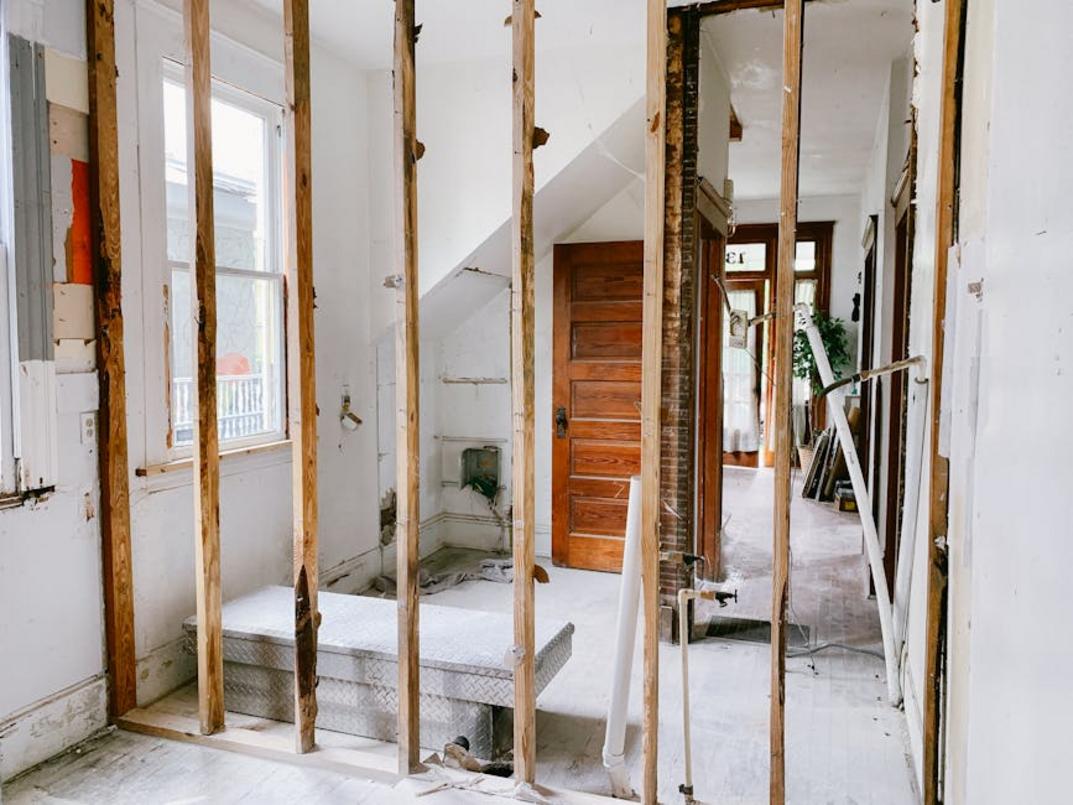
You’ve planned everything. Picked your materials. Signed the contracts. Now the real work starts and your house turns into a construction zone.
I won’t sugarcoat it. This phase tests you.
But here’s the benefit. If you prepare right, you’ll keep your sanity and actually enjoy watching your vision come to life. You’ll also avoid those costly mistakes that happen when people wing it.
Prepare Your Home for Disruption
Set up a safe zone away from the construction. I’m talking about one room where dust and debris can’t reach. Protect your furniture and floors with plastic sheeting. Create a plan for managing dust because it will get everywhere (trust me on this). I tackle the specifics of this in How to Start Home Renovations Homenumental.
Living Through It
If you’re staying in the home, you need a temporary kitchen. Even if it’s just a microwave and mini fridge in your bedroom. Plan for noise. Plan for disruptions to your morning routine.
Some folks say you should just move out during construction. And yeah, that’s easier. But most of us can’t afford that. So you adapt.
Managing Change Orders
The unexpected will happen. A wall opens up and you find old wiring that needs replacing. Or you decide the tile looks wrong and want something different.
Here’s what matters. Any change to the original plan must be documented in a written change order. It specifies the new work and the cost. Never agree to verbal changes. I don’t care how much you trust your contractor.
This is how to design home renovation homenumental projects without budget surprises.
The Final Punch List
Before making that final payment, walk through the project with your contractor. Create a punch list of every small detail that needs fixing or completing. Those cabinet handles that aren’t quite aligned? Write it down. The paint touch ups? Write it down. As you prepare to finalize your home renovation, be sure to consult the Homenumental House Infoguide by Homehearted for expert tips on creating a thorough punch list that covers every detail, from misaligned cabinet handles to necessary paint touch-ups. As you prepare to finalize your home renovation, consider consulting the Homenumental House Infoguide by Homehearted for invaluable tips on ensuring every detail, from cabinet handles to paint touch-ups, is addressed before making that final payment to your contractor.
Your leverage disappears once they have your money.
Enjoying the Results of Your Meticulous Plan
You now have a complete blueprint to guide your home renovation.
What felt overwhelming before is now manageable. You’ve turned chaos into a clear path forward.
The difference between a successful renovation and a disaster isn’t luck. It’s having a detailed plan that covers every phase.
This structured approach keeps your vision intact. Your budget stays on track and your timeline makes sense. Most importantly, you protect both your investment and your sanity.
Here’s what you need to do: Take the first step today. Stop dreaming about your perfect space and start defining its vision and scope.
Write down exactly what you want. Set your budget limits. Map out your timeline.
The homes that turn out beautifully aren’t accidents. They’re the result of careful planning that starts right now.
Your renovation doesn’t have to feel like jumping off a cliff. When you design home renovation homenumental with intention, you control the outcome instead of hoping for the best.
Start today. Your future self will thank you. Garden Homenumental.