I’ve helped dozens of homeowners add large sculptures to their gardens. And I can tell you right now: most people get it wrong the first time.
You want something bold. Something that makes visitors stop and stare. But you’re worried a massive sculpture will look out of place or swallow up your whole yard.
That’s the tricky part with monumental pieces. Go too big and it’s all anyone sees. Too small and it disappears. Get the style wrong and it clashes with everything you’ve built.
I started garden homenumental because I kept seeing beautiful outdoor spaces ruined by sculptures that just didn’t fit. The materials were wrong for the climate. The placement blocked sightlines. The scale threw everything off balance.
This guide walks you through the real decisions you need to make. We’ll cover how to pick the right material (hint: it’s not always what looks best in the catalog). How to figure out scale without doing complex math. And where to actually put the thing so it enhances your space instead of dominating it.
I’m pulling from landscape architecture principles and design fundamentals that actually work. Not trends that’ll look dated in two years.
By the end, you’ll know exactly how to choose a sculpture that turns your garden into something worth showing off.
Beyond Size: What Truly Defines a ‘Monumental’ Sculpture?
You walk past a sculpture in someone’s garden and it stops you cold.
Then you see another piece twice its size and barely notice it.
What’s the difference?
Most people think monumental means big. They picture those massive bronze statues in city parks and assume that’s what makes something monumental.
But I’ve seen plenty of oversized sculptures that just sit there taking up space.
Here’s what actually matters.
A monumental sculpture anchors your landscape. It pulls your eye and holds it there. When you step into that garden, you know exactly where the heart of the space lives.
Think of it like this. A garden bench versus a stone fountain. The bench might be longer, but the fountain owns the space.
The piece becomes part of your garden’s architecture.
I’ve watched how the right sculpture can split a large yard into distinct areas. It creates an invisible wall without blocking your view. You walk around it the same way you’d move through rooms in your house.
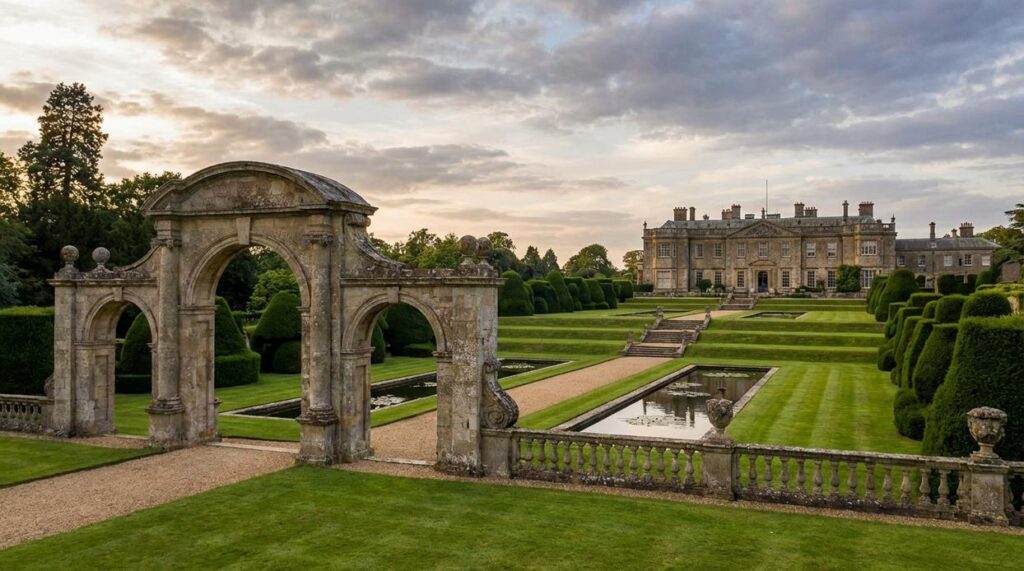
A classical urn at the end of a path? That frames your sightline and gives you somewhere to walk toward.
Compare that to scattering small statues everywhere. Your eye bounces around with nowhere to land. No single piece carries enough weight to matter.
Scale is where most people mess up.
Your sculpture needs breathing room. If it’s wedged between shrubs or pressed against a fence, it loses its power (no matter how beautiful the piece is).
I use a simple test. Stand where you’ll see the sculpture most often. It should feel present without feeling crowded.
A four-foot piece in a tiny courtyard? Too much. That same sculpture in a sprawling lawn? Lost.
But here’s the real magic of garden Homenumental design.
The right piece sets your emotional tone before anyone reads a plant label or notices your hardscaping.
A sleek modern form tells visitors this is a contemporary space. An aged stone figure whispers history and permanence. A dramatic abstract piece promises something unexpected around every corner. In the heart of this gaming sanctuary, the fusion of sleek modernity and timeless artistry creates a Homenumental experience that invites players to explore not only the digital realms but also the rich narratives woven into every corner of the space. In the heart of this gaming sanctuary, the fusion of sleek modernity and timeless artistry creates a Homenumental experience that invites players to explore the depths of both their imagination and the stories etched into every corner of the space.
You’re not just placing an object. You’re making a statement about what this garden means.
Choosing the Right Material: A Guide to Durability and Aesthetics
You want a piece that lasts.
But you also want something that looks right in your space. Not just today but years from now.
I see people pick materials based on price alone. Then they’re surprised when their garden sculpture cracks after one winter or starts looking cheap by summer.
Here’s what actually matters.
Classic Bronze vs Everything Else
Bronze costs more upfront. No way around that. But it changes over time in a way most materials can’t match. That green patina isn’t damage. It’s character.
If you’re going for a formal look or traditional garden homenumental, bronze delivers. Just know it’s heavy. You’ll need a solid base.
Some folks say bronze is outdated. That modern spaces need modern materials. But I’ve seen bronze work in contemporary settings when you pick the right form.
Natural Stone Options
| Material | Best For | Watch Out For |
|---|---|---|
| ———- | ———- | ————— |
| Granite | High durability, all climates | Heavy, limited color range |
| Marble | Elegant finish, classic appeal | Porous, can stain and crack in frost |
| Sandstone | Warm tones, natural texture | Most porous, needs sealing |
Stone connects to the landscape in ways metal never will. It feels like it belongs there.
Marble looks beautiful but it’s fussy. Water gets in those pores and freezes. Then you’ve got cracks. Granite handles weather better but costs more.
Modern Metal Showdown
Corten steel rusts on purpose. That orange-brown patina is the whole point. It stops rusting once the surface layer forms and protects what’s underneath.
Stainless steel goes the opposite direction. Polished and reflective. Clean lines that stay clean.
Both work for Homenumental pieces in modern spaces. Corten feels warmer and more organic. Stainless feels precise.
Concrete and Composites
These give you options without emptying your wallet.
You can get complex shapes that would cost a fortune in bronze. Different finishes too. Some look almost like stone if done right.
The catch? Quality varies wildly. Check if it’s rated for outdoor use and freeze-thaw cycles. Cheap concrete crumbles.
The Art of Placement: Integrating Sculpture with Your Landscape
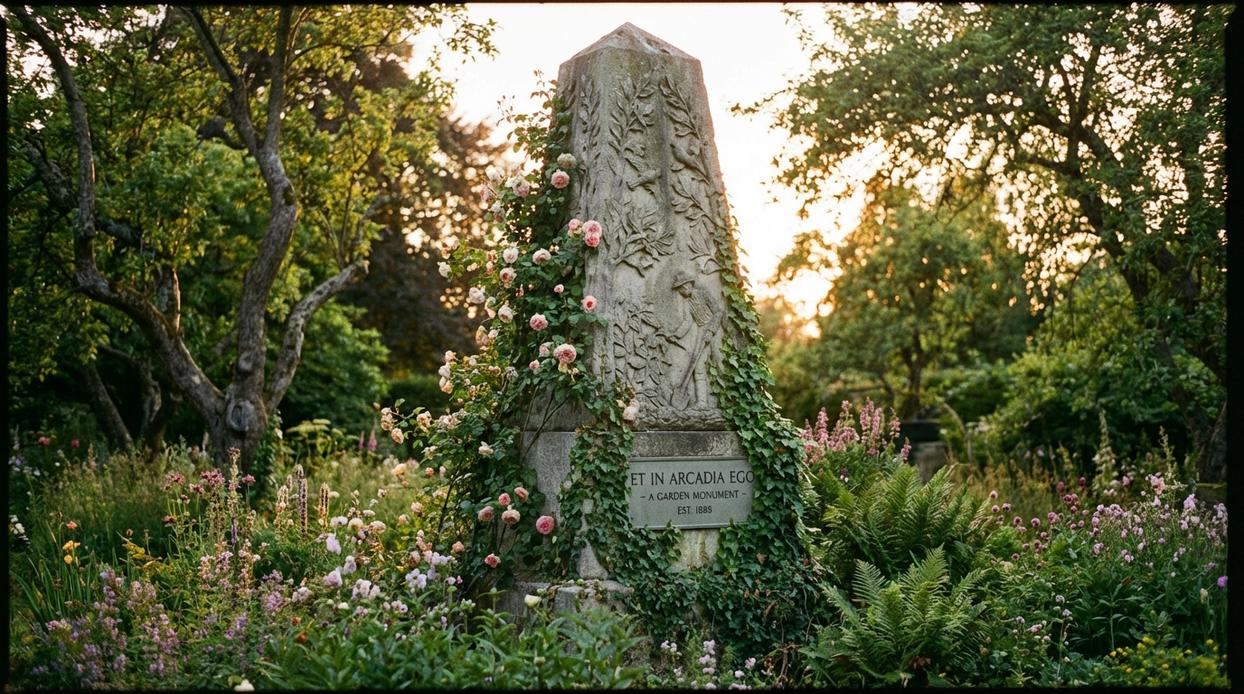
You can own the most beautiful sculpture in the world.
But if you place it wrong, nobody will notice it.
I see this all the time. Someone buys a stunning piece, drops it somewhere in the yard, and wonders why it doesn’t feel right.
Here’s what most people don’t get about sculpture placement. It’s not just about finding an empty spot.
It’s about creating a relationship between the piece and everything around it.
Let me break this down.
Creating a Destination
Think of your sculpture as the end of a story. When you place it at the end of a pathway or in the center of your patio, you’re giving people a reason to walk there. Their eyes follow the path and land right on your piece. By thoughtfully positioning your sculpture as the focal point at the end of a pathway, you can enhance the allure of your outdoor space, a concept beautifully illustrated in the Homenumental Home Infoguide From Homehearted. By following the principles outlined in the Homenumental Home Infoguide From Homehearted, you can transform your outdoor space into a captivating journey that draws visitors toward the striking centerpiece of your sculpture.
It becomes a focal point without trying too hard.
Framing What Matters
Now here’s where it gets interesting. Position your sculpture where you’ll actually see it. From your kitchen window while you’re making coffee. From that chair on the deck where you sit in the evenings.
You want to catch glimpses of it during your normal day (not just when you’re specifically looking for it).
Working with the Seasons
Sculptures don’t change. But everything around them does.
In spring, new foliage might partially hide your piece. Summer flowers add color contrast. Fall leaves create texture. Winter snow transforms the whole scene.
This interplay between solid form and changing nature? That’s what makes garden homenumental design work. The sculpture stays constant while the garden shifts around it.
Lighting After Dark
Most people forget about nighttime. But that’s when you can really make a sculpture pop.
Pro tip: Try uplighting from the base. It creates drama and casts interesting shadows. Spotlights work if you want to highlight specific details. Or backlight it for a silhouette effect that looks great from inside your house.
The key is experimenting until it feels right.
Some folks say sculptures should blend seamlessly into the landscape. That they shouldn’t stand out too much. And sure, subtlety has its place.
But I think that misses the point. You bought a sculpture because you wanted something special. Something worth noticing.
Place it where it can shine.
When you’re planning how to design home renovation homenumental projects, remember this. Placement isn’t an afterthought. It’s half the art.
Finding Your Style: From Abstract Forms to Figurative Statements
You walk into someone’s garden and there it is.
A sculpture that stops you cold.
Not because it’s expensive or famous. Because it fits. Like it was always meant to be there.
That’s what I want for your space. But first, you need to figure out what speaks to you.
Most garden sculpture guides throw styles at you without explaining why any of it matters. They show you pictures and expect you to just know what works.
Let me break it down differently.
Abstract and geometric pieces work through feeling, not recognition. You look at them and something shifts inside. Maybe it’s the way light hits the angles or how the curves pull your eye around the form. These work best when your home leans modern and you want people to actually talk about what they see (instead of just nodding politely).
Figurative sculptures tell stories without words. A bronze heron by your pond. A stone figure tucked between hostas. These create moments. Your garden homenumental becomes a place where mythology meets morning coffee, where you can sit with something that feels alive even when it’s perfectly still.
Here’s what nobody talks about though. We explore this concept further in Garden Guide Homenumental.
Kinetic sculptures change the entire game. Wind spinners that catch afternoon breezes. Water-powered pieces that shift with rain. Your garden stops being a static picture and becomes something that breathes. I’ve seen people spend thousands on plantings but overlook a $200 kinetic piece that would’ve made the whole space come alive.
Then there’s the minimalist approach. Clean lines. Negative space that matters as much as the sculpture itself. This isn’t about being boring. It’s about creating calm in a world that won’t shut up. Perfect if you’re building a zen corner or your home already follows contemporary lines.
The homenumental home infoguide from homehearted covers more on matching art to architecture. In the latest installment of the homenumental home infoguide from homehearted, readers will discover insightful tips on how to design home renovation homenumental that seamlessly blends artistic flair with architectural elegance.How to Design Home Renovation Homenumental In the latest installment of the homenumental home infoguide from homehearted, readers will uncover essential strategies on how to design home renovation homenumental that not only enhances functionality but also celebrates the unique interplay between art and architecture.How to Design Home Renovation Homenumental
Pick what makes you stop and look twice.
That’s your style.
Making Your Grand Artistic Statement
You now know how to choose a monumental sculpture with confidence.
Material matters. Style sets the tone. Placement makes or breaks the whole thing.
I get it. Picking a large art piece for your space feels like a big decision. Because it is.
But you’re not guessing anymore. You have a framework that works.
A garden homenumental sculpture does something special. It turns your outdoor space into something that feels unmistakably yours. It adds weight and meaning to a place you already love.
Here’s what I want you to do: Walk your property and notice the sightlines. Where does your eye naturally go? What feeling do you want when you step outside?
Your perfect piece is out there. It’s waiting to complete the vision you have for your space.
Start with those sightlines. The rest will follow.